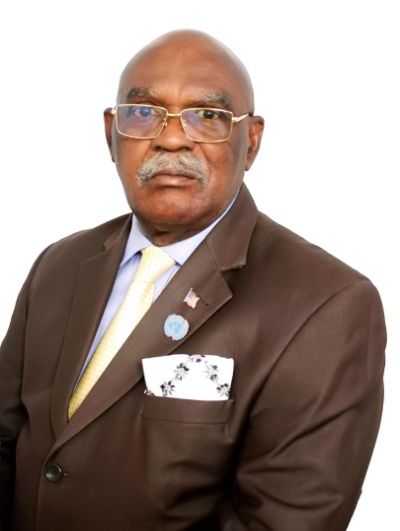

Ambassador and diplomat, Prof. Dean Roberts Jnr., has called on Africans and people of African descent across the world to unite and resist the divisions and conflicts he says continue to reflect the painful legacy of the transatlantic slave trade.
He was speaking at the Ibuaku Clan Development Association (ICDA) family retreat held at Plush Villa Hilton Hotel in Uyo, Akwa Ibom State, Nigeria, under the theme “Reclaiming Our Story: Ibiaku History, Identity and Heritage.”
Prof. Roberts said the time had come for Africans to see themselves as one family and work collectively towards development.
He described himself as a survivor of one of the gravest crimes against humanity and said the history of slavery should serve as a reminder of the need for unity rather than division.
According to him, the transatlantic slave trade fractured African families, weakened clans and separated millions of people from their ancestral homes.
He referenced President John Dramani Mahama’s address to the United Nations General Assembly, during which Ghana led efforts for the recognition of the trafficking and enslavement of Africans as the gravest crime against humanity.
Prof. Roberts said the adoption of the resolution by a majority of UN member states represented an important step towards acknowledging the historical suffering of Africans and people of African descent.
He argued that the slave trade succeeded partly because Africans were divided and cautioned that contemporary divisions could continue to undermine the continent’s development.
“Division destroys but unity builds,” he said, warning that poverty, youth restiveness, land disputes and cultism could become modern-day chains if Africans failed to confront them collectively.
Prof. Roberts called for unity, reconciliation and the breaking of generational chains, saying Africans must overcome the bitterness and divisions left behind by slavery and build stronger communities for future generations.
The ICDA family retreat was also held in memory of the late Obong Elder Harry Etukudoh, whom Prof. Roberts described as a legend who lived in the shadow of slavery’s aftermath but chose to build rather than destroy.
He said the late elder defended African identity at a time when many people were compelled to distance themselves from their heritage.
Prof. Roberts drew inspiration from notable African leaders and civil rights figures, including Dr. Kwame Nkrumah, Nelson Mandela, Dr. Nnamdi Azikiwe, Chief Obafemi Awolowo, Sir Ahmadu Bello and Rev. Dr. Martin Luther King Jr., whose struggles, he said, demonstrated the power of vision, unity and collective action.
In his closing remarks, Prof. Roberts said he regarded his African heritage and connection to the diaspora as an honour.
He pledged to continue advocating for Ibiaku’s identity and heritage on international platforms, stressing that united communities have a greater opportunity to shape their own history and future.
He also commended Ambassador Dr. Dennis Ufot, whom he described as a United Nations Peace Ambassador, engineer, philanthropist, author and diplomat, for his leadership and contributions to international development.
Prof. Roberts concluded with a call for collective action, saying:
“Ibiaku will no longer export her destiny; she will develop her destiny.”