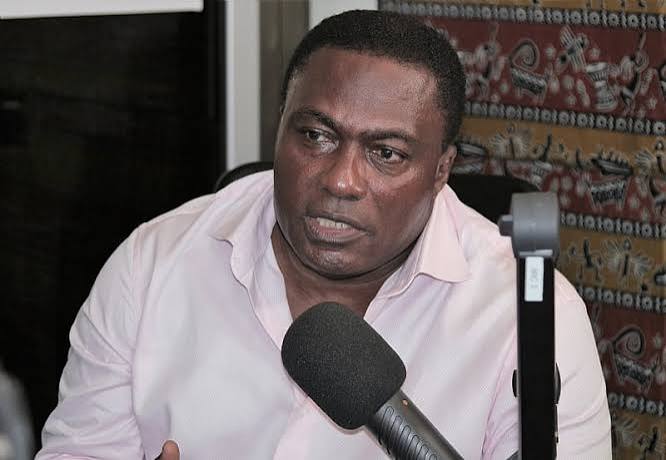

The Board Chairman of the Volta Aluminium Company Limited (VALCO), Horace Nii Ankrah, has firmly dismissed claims that the company is being sold, describing the reports as unfounded and misleading.
Mr. Ankrah, in an interview with Adom News, stressed that it would be unreasonable for the government to consider selling VALCO at a time when the company is reportedly making profit for the first time in several years.
According to him, the recent financial turnaround reflects ongoing efforts to stabilise and reposition the state-owned aluminium smelter.
He maintained that management remains focused on sustaining the company’s gains and ensuring long-term operational efficiency, rather than pursuing any form of divestment.
The chairman’s comments come amid growing concerns from workers and sections of the public over a possible sale or privatisation of the company.
These concerns have triggered protests, particularly from some workers, who fear job losses and uncertainty about the future of the firm.
However, Mr. Ankrah reiterated that there is no ongoing process to sell VALCO, urging stakeholders to disregard the rumours and support efforts aimed at strengthening the company.
The development adds to ongoing discussions about the future of Ghana’s aluminium industry, with authorities emphasising investment and strategic partnerships as key to reviving the sector.
Earlier, workers of VALCO, in collaboration with their parent union, the Industrial and Commercial Workers Union (ICU), staged a demonstration in Tema to protest the alleged sale of the company.
However, the National Union Chairman of the ICU, Morgan Ayawine, in an interview with Adom News, said the union remains concerned about the prolonged and unclear discussions surrounding the possible sale of VALCO.
He described the situation as suspicious, arguing that the proposed sale is not in the best interest of the workers or the country.
Meanwhile, the Local Union Chairman of VALCO, Samuel Agyemang , has called on the general public to support the workers in opposing the sale of the company, stressing the potential adverse effects the sale could have on employees and Ghana’s industrial sector.