
The Association of Ghana Industries (AGI) has urged the Public Utilities Regulatory Commission (PURC) to suspend its latest electricity tariff increase, arguing that falling global oil prices could soon ease pressure on electricity generation costs.
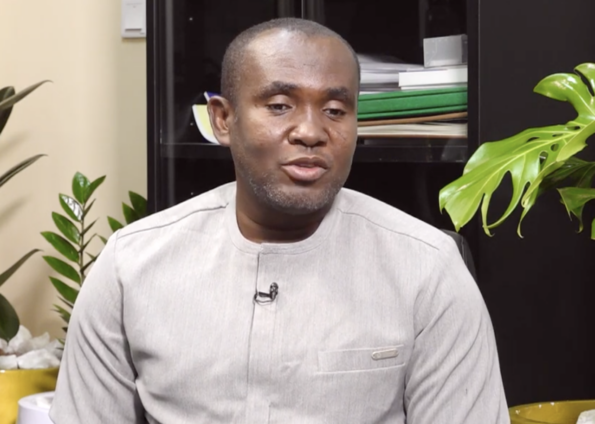
Chairman of AGI’s Economic Affairs Committee, Eric Defoe, said the timing of the adjustment was wrong and warned that its impact on manufacturers could be far greater than the announced increase.
Speaking on Joy News’ PM Express on Tuesday, Mr Defoe said the 3.5% electricity tariff adjustment might appear modest on paper but could significantly raise production costs.
“It would appear so nominally, but the effect may not be 3.5% on pricing; it may go higher,” he said.
He explained that electricity is only one component of production costs, and any increase would have a ripple effect on other aspects of manufacturers’ cost structures.
“Like I tried to explain, the other factors in the basket of production may be affected, and cumulatively it may rise to between five and 10%, or anywhere within that band. So if we are not careful, we don’t know what’s going to happen,” he warned.
Mr Defoe argued that recent developments in the global oil market should have prompted the regulator to delay the tariff review.
“What worries us is that petroleum prices went up, and therefore there was some adjustment in the market, but they are coming down now because the US-Iran war has ended and prices are falling again.”
According to him, fuel prices form part of the tariff adjustment formula and should be reassessed before any increase takes effect.
“So, at this time, that is also one of the components in the tariff adjustment structure. If that is going to go down and, at the same time, tariffs are being increased, maybe they should wait a little longer and see what happens.”
He maintained that PURC should not feel compelled to implement a tariff increase simply because it is due under the quarterly review process.
“They don’t have to increase the tariff just because there’s a quarterly review. They should look at the general market and determine whether it is appropriate to do so.”
Mr Defoe also questioned why consumers should bear higher electricity costs when they are already contributing through fuel levies designed to support the energy sector.
“Now we’re already providing a lot of resources to mitigate some of the production costs by paying these levies on fuel. It makes money available for generation and legacy debts, so why should we have to pay more again? It doesn’t make sense to us.”
He insisted the regulator should have waited for the impact of recent geopolitical tensions to subside before announcing any tariff adjustment.
“This timing is wrong. They should have waited, looked at the global picture, and seen whether the effects of the war had started to wear off.”
Mr Defoe added that other key economic indicators appear to be moving in the right direction, making the latest tariff increase difficult for industry to understand.
“I don’t really know what the reason for the adjustment is, other than fuel, because interest rates have gone down, the exchange rate is stable, and inflation is down. So what else could have been the factor?”
ALSO READ:
Nigerian national arrested in Ghana in FBI and INTERPOL-linked cybercrime investigation
No Ghanaians detained in South Africa after latest protests – High…