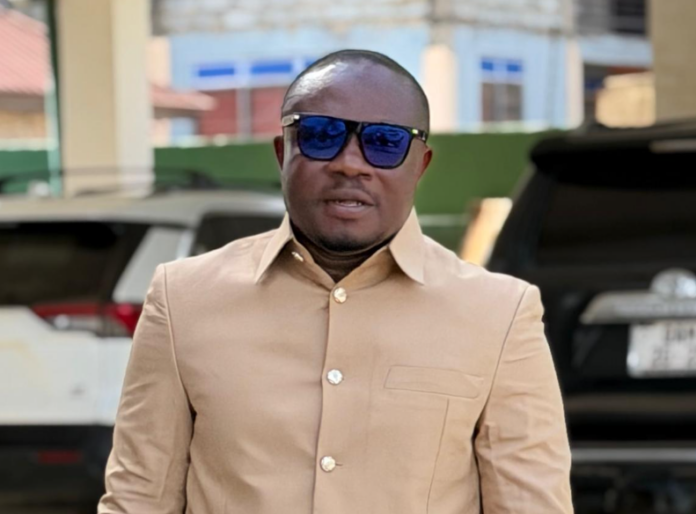

A National Ambassador of the Unity of Nations Action for Climate Change Council (UNACCC), Michael Agoe Quayenor, has called for urgent reforms in Ghana’s sanitation enforcement system, arguing that the country’s recurring floods are largely the result of human negligence rather than natural disasters alone.
In a statement following the recent floods that affected Accra, Tema, Kumasi and other parts of the country, Mr Quayenor said years of weak sanitation enforcement, poor waste management and unplanned development have worsened the impact of heavy rainfall.
According to him, many of Ghana’s flood disasters are not caused by rain alone but reflect the country’s failure to enforce sanitation laws and protect the environment.
Reflecting on Ghana’s past sanitation regime, Mr Quayenor recalled the era of the former Town Council system, where sanitary inspectors routinely monitored communities, ensured drains were cleared, compounds were kept clean, and offenders were sanctioned.
“Those systems worked,” he stated, adding that despite the existence of modern institutions, enforcement mechanisms have weakened over the years.
He cited choked drains filled with plastic waste, buildings erected on waterways, poor drainage maintenance and indiscriminate waste disposal as some of the major factors contributing to the annual flooding experienced across the country.
While acknowledging that climate change has increased the intensity of rainfall globally, Mr Quayenor maintained that Ghana’s flooding crisis has been significantly worsened by preventable human activities.
To address the situation, he called for the restoration of active sanitation inspectorate units in all districts, strict enforcement of sanitation regulations, regular desilting of drains before the rainy season, protection of wetlands and waterways from encroachment, and intensified public education on environmental sanitation.
He stressed that Ghana cannot continue responding to flood disasters only after lives and property have been lost, urging authorities to revive and modernise sanitation systems that once proved effective.
Mr Quayenor further noted that preventing floods is a shared responsibility between government and citizens, calling on all Ghanaians to play their part in protecting the environment.
“The systems that once worked must be revived, modernised and enforced. Flood prevention is not only a government responsibility—it is a national responsibility. Ghana must wake up. The time to act is now,” he said.