
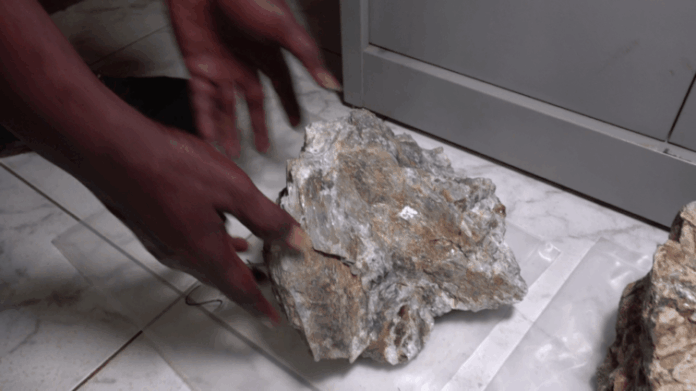

Parliament’s ratification of Ghana’s first lithium mining lease was expected to trigger visible activity at Ewoyaa. Yet weeks later, the site still appears largely quiet, with little sign of the large-scale development many had anticipated.
The lease, granted to Barari DV Ghana Limited, a subsidiary of Atlantic Lithium, was seen as the beginning of Ghana’s entry into the global lithium industry.
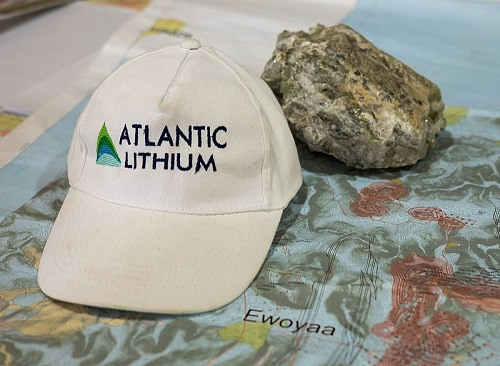
To better understand developments on the ground, the Africa Extractive Media Fellowship facilitated a visit to Atlantic Lithium’s offices in Mankessim and a trip to the Ewoyaa project site.
Discussions with staff on the ground revealed a strong sense of optimism and urgency around the project. However, the reality facing the company is far more complex than many observers appreciate.
One major factor is the nearly three-year delay in securing parliamentary ratification for the mining lease.
For much of that period, the project remained in regulatory limbo.
As a relatively young listed mining company without the balance sheet strength to independently finance and develop a mine of this scale, Atlantic Lithium relied heavily on the ability to secure funding arrangements, strategic investors and offtake agreements.
But without ratification, closing those deals became extremely difficult.
Investors and potential financing partners were unwilling to commit significant capital to a project whose legal and fiscal framework remained uncertain. That prolonged uncertainty significantly weakened investor confidence and slowed progress toward financing the construction and development of the mine.
As a result, expectations that major construction activity would immediately begin less than two months after ratification may not fully reflect the realities of mine development financing.
Another key issue is the project’s Definitive Feasibility Study (DFS).
The DFS is the key study investors and lenders use to determine whether a mine remains commercially viable.
It determines whether a project is commercially viable, how profitable it could be and whether that profitability is sustainable under prevailing market conditions.
Atlantic Lithium’s last DFS was completed in 2023 when the lease was first signed. Since then, several important variables have changed materially.
Global lithium prices have fallen from their 2023 highs. Ghana’s fiscal regime for lithium has also changed significantly following renegotiations around royalties and state participation.
In addition, Atlantic Lithium’s earlier strategic relationship with its funding and offtake partner, Elevra, has weakened amid ongoing disputes between the parties.
Without a revised feasibility assessment reflecting these new market and regulatory realities, serious funding institutions are unlikely to commit financing to the project.
Atlantic Lithium’s General Manager for Operations, Ahmed-Salim Adam, confirmed that work on an updated DFS is currently ongoing and should be completed within the next few months, although no specific timeline was provided.
Once completed, the revised feasibility assessment will become the foundation upon which potential investors, lenders and offtakers evaluate the project.
It will also guide the project’s eventual Final Investment Decision (FID), which determines whether construction can formally proceed.
This helps explain why activity on the ground currently appears slower than many anticipated.
At the same time, the company says it is continuing engagement with host communities over compensation and resettlement arrangements tied to the mine’s development.
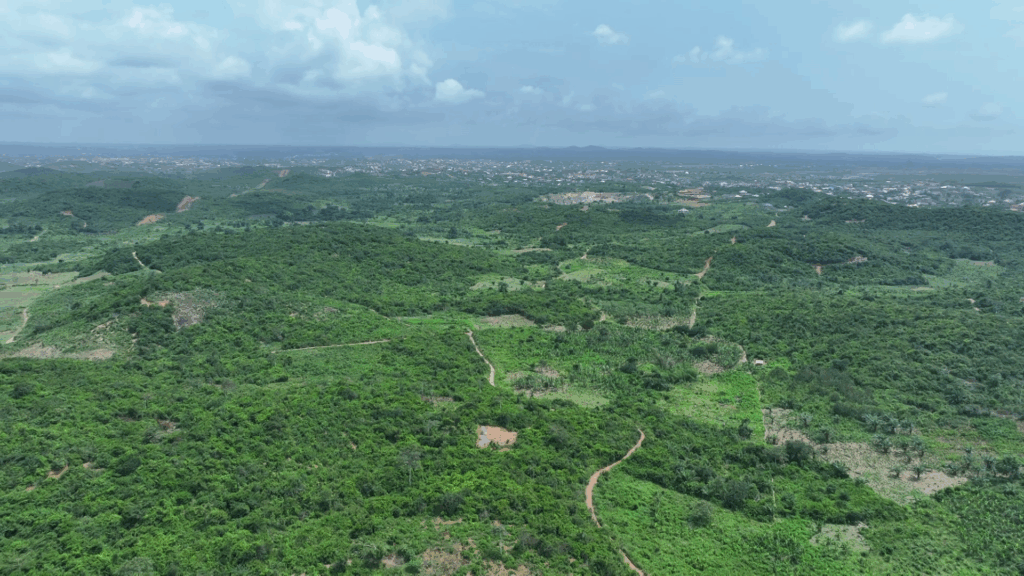
According to Ahmed-Salim Adam, compensation discussions currently under consideration involve a tentative figure of about US$20 million for affected communities.
The company is also working to renew several permits that either expired or neared expiration during the prolonged ratification process.
Because Atlantic Lithium had initially applied for many of these permits years ago in anticipation of an earlier ratification, the delay created a situation where several approvals now require renewal before full scale development activities can proceed.
Following discussions with the team in Mankessim, the company’s current priorities appear centered around three key areas: finalizing the updated DFS to secure financing and investor support, concluding compensation and resettlement negotiations with host communities, and renewing expired permits and approvals.
However, another dimension has recently emerged.
Chinese battery materials giant Zhejiang Huayou Cobalt has announced plans to acquire Atlantic Lithium in a proposed US$210 million transaction, subject to shareholder, court and regulatory approvals.
If completed, the acquisition could materially change the outlook for Ewoyaa.
Unlike Atlantic Lithium, Huayou has significantly deeper financial capacity, established lithium supply chains and operational experience through its lithium operations in Zimbabwe as well as its copper and cobalt business in the Democratic Republic of Congo.
That could ease financing constraints and accelerate development of the Ewoyaa mine.
However, Huayou’s possible entry also raises broader policy questions for Ghana’s regulators.
These include how Ghana will manage transfer pricing risks given Huayou’s control across multiple parts of the battery minerals supply chain, and whether regulators will be able to effectively monitor production volumes, pricing and royalty payments under Ghana’s new sliding scale royalty regime.
Ultimately, how the lithium is priced, processed and sold could significantly influence how much long-term value Ghana captures from the project.
For now, the immediate focus is the completion and release of the updated Definitive Feasibility Study.
The project was presented as commercially viable in 2023 when the original DFS was completed.
But after years of delays, weaker lithium prices and changes to the fiscal terms, the updated study will determine whether Ewoyaa still makes economic sense under current market conditions and whether investors are willing to finance its development.
