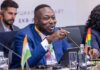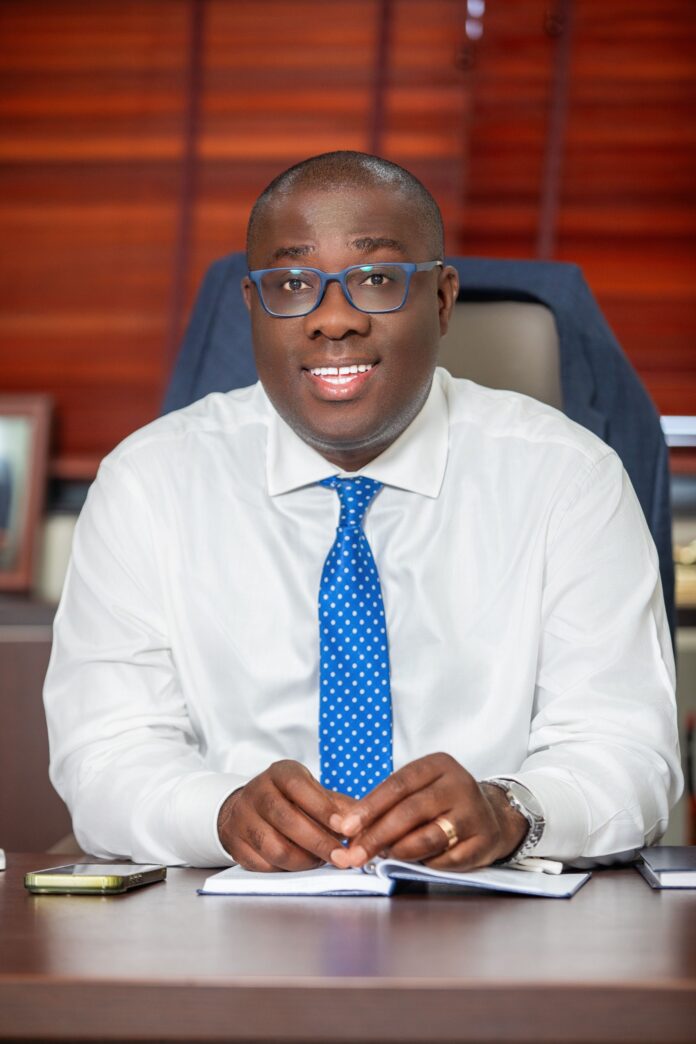

Member of Parliament for Akuapem North, Sammi Awuku, has publicly questioned President John Dramani Mahama’s decision to summon heads of key state institutions to a high-level anti-narcotics meeting without their supervising sector ministers present.
In a Facebook post addressed directly to the President, Mr Awuku asked whether the affected state institutions now operate independently of their ministries.
He specifically questioned why the Ghana Maritime Authority, Ghana Shippers’ Authority and Ghana Airports Company Limited, all under the Ministry of Transport, would attend without Transport Minister Joseph Bukari Nikpe.
He raised a similar concern regarding the Ghana Police Service and the Narcotics Control Commission, both under the Ministry of the Interior, questioning the absence of Interior Minister Muntaka Mohammed-Mubarak.
“The growing concern about Ghana being used as a transit point for illicit drugs is too serious for us to treat it as an optics exercise,” Mr Awuku wrote, pressing further on accountability: “After this meeting, who exactly is expected to supervise and drive the implementation of the decisions reached? Are we creating another layer of coordination when the Ministers who have direct responsibility for these institutions are not at the table?”
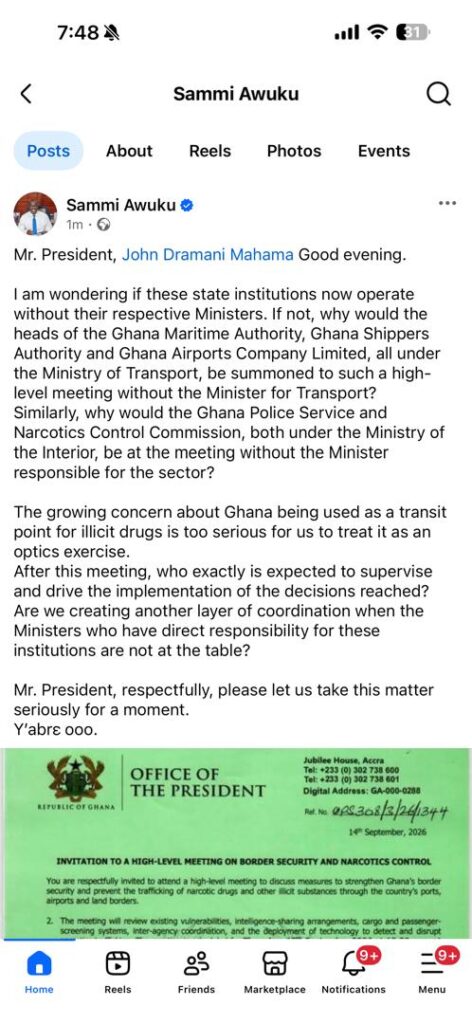
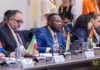
The meeting, scheduled for Thursday, September 17, at 12:30 p.m. at Jubilee House, was convened via an invitation issued on behalf of the President and signed by Secretary to the President Dr Callistus Mahama, dated September 14.
It brings together security, intelligence, customs, ports and aviation authorities to examine vulnerabilities that could be allowing narcotics and other illicit substances to pass through Ghana’s borders.
Each invited institution has been directed to be represented by its head and no more than one relevant technical officer.
The meeting follows the seizure of nearly 3.9 tonnes of cocaine by French customs authorities from a container shipped from Ghana, a development that has renewed concerns about the country’s role in international narcotics trafficking.
Discussions are expected to focus on identifying weaknesses in Ghana’s current security arrangements and developing practical measures to prevent traffickers from exploiting gaps at the country’s ports, airports and land borders.
Speaking further on the Asaase Breakfast Show on Tuesday, September 15, Mr Awuku expanded on his concerns, arguing that the two affected ministries have direct oversight of agencies responsible for border security, ports, airports and narcotics control, and should therefore have been part of the meeting.
“We are in crisis essentially with Ghana becoming a major transit point as far as these illicit drugs and drug-related cases are concerned,” he said.
He also voiced support for a bipartisan parliamentary probe into recent narcotics trafficking incidents involving Ghana as a transit point, urging government and relevant institutions to treat the matter as a national credibility and security concern rather than one of public perception.
The Presidency has not yet publicly responded to Mr Awuku’s concerns. According to its own framing of the meeting, the gathering is meant to bring together key institutions involved in Ghana’s border management, maritime security, customs operations, intelligence and narcotics control, with participants expected to identify security gaps and propose practical countermeasures.