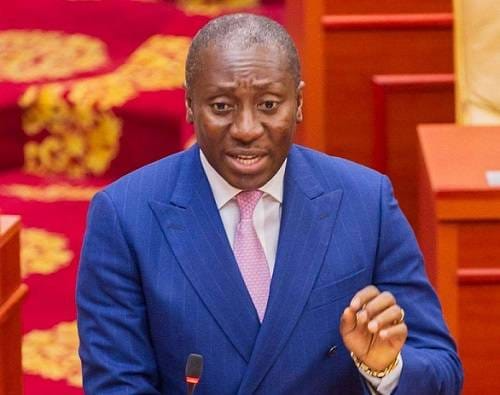

The Minority in Parliament on Thursday staged a walkout during the consideration of the Tribunals Bill, 2026, accusing the Majority of using its numerical strength to pass the legislation despite objections from organised labour, legal stakeholders and recommendations from the constitutional review process.
Led by Minority Leader Alexander Afenyo-Markin, the New Patriotic Party (NPP) caucus left the chamber before Parliament proceeded to approve the bill.
Speaking to journalists after the walkout, Mr Afenyo-Markin argued that the proposed tribunal system could undermine due process and the constitutional right to a fair trial.
“This whole exercise is to create a system where people would be pronounced guilty even before their case is properly determined. There is no established procedure for ensuring fairness, and it is not only the Minority that is complaining,” he said.
He maintained that opposition to the bill goes beyond Parliament, citing organised labour’s rejection of the proposed legislation.
“Today, organised labour has come out loudly to re-echo its position on this matter, that we don’t need a tribunal system in our country anymore.”
The Minority Leader also referenced Ghana’s experience with tribunals during the Provisional National Defence Council (PNDC) era, arguing that the past should serve as a warning against reintroducing the system.
“Tribunal system, we know what happened in the PNDC era where people were targeted, assets were seized and those people who claimed they were tribunal members enriched themselves. We know that record of the NDC, their predecessor PNDC,” he stated.
Mr Afenyo-Markin said the Minority decided to leave the chamber because it had become clear that the Majority was determined to pass the bill regardless of concerns raised.
“So we, the Minority, have left the chamber because the Majority Leader decided to shut the door.”
He stressed that Parliament must always allow room for dialogue, particularly on legislation with constitutional implications.
“In Parliament, we believe that in all situations of disagreement, there must be a window to discuss, to raise the concerns. But once the Majority Leader makes a strong pronouncement that whatever the case, they will not listen, they will use their numbers to pass the bill, then there was no point again,” he said.
He added: “Every other effort will be rendered obnoxious. Every other effort by us will be rendered nocturnal.”
The Minority Leader further alleged that the Majority initially lacked the required numbers to proceed and requested a suspension of proceedings to mobilise its members.
“You recall that earlier in the day when we raised this issue, the Majority Leader, realising that he didn’t have the numbers, immediately called for suspension of the House.”
According to him, even after Parliament resumed several hours later, the Majority still fell short of the numbers it claimed.
“So he used the five hours to marshal his members into the chamber. Even so, those present were not even up to 115. They were 113.”
He challenged the media to independently verify the figures.
“We the Minority counted them. They were not up to. Yet those who counted claim that the NDC members were more than that. You are the media. You can get in and do your own check to validate what we are saying. We tell you the truth. We will not say anything outside of the truth.”
Mr Afenyo-Markin concluded by accusing the Majority of refusing to entertain dissenting views.
“So it is clear that the ‘Yentie Obiaa’ syndrome has set in, in this exercise.”
Despite the Minority’s protest, Parliament went ahead to pass the Tribunals Bill, 2026, which seeks to establish a new legal framework for the constitution, composition, jurisdiction and administration of tribunals under Article 126 of the 1992 Constitution.
The government says the legislation will modernise the tribunal system, improve access to justice and provide specialised adjudication for designated categories of cases.
However, sections of the legal fraternity, organised labour and governance advocates have called for greater caution, arguing that any tribunal regime must fully protect constitutional guarantees of judicial independence, due process and fair hearing.
Also read: