
Imagine reaching for a cold bottle of drink on a hot afternoon along the busy streets of Makola or grabbing a packaged snack from a supermarket shelf for a quick bite.
In such moments, stopping to read through the crowded, fine-print labels tucked away on the back or sides of the food package is often the last thing on anyone’s mind, no matter how health-conscious they may be.
As a result, many consumers unknowingly consume products without understanding their true nutritional content.
This reality captures the vulnerability and plight of the average Ghanaian consumer in an increasingly complex food environment.
Danger inappropriate labeling
Searching for nutrition information on food packages can be intimidating.
Labels are often crowded with unfamiliar figures, symbols, and tiny fonts that are difficult for the average consumer to read.
This exposes major flaws in our current food labelling system.
A label’s value lies not only in its presence but also in its clarity, readability, and placement.
Evidence increasingly shows that Front-of-Pack Nutrition Labelling (FOPNL) is the most effective approach.
Chronic diseases such as heart disease, hypertension, obesity, diabetes, kidney disease, and cancers are rapidly rising and are closely linked to unhealthy diets.
In Ghana, traditional diets are being replaced with ultra-processed, packaged foods high in salt, sugar, and unhealthy fats.
This nutrition transition heightens disease risk and demands urgent public health action.
One proven intervention is the adoption of Front-of-Pack Labels (FOPLs).
Solution
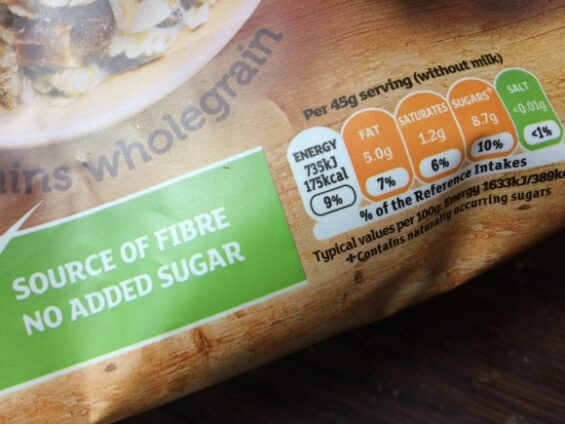
Front-of-Pack Labels provide simple, easy-to-understand nutrition information at a glance.
They help consumers quickly identify foods high in sugar, salt, and unhealthy fats.
Unlike complex back-of-pack nutrition panels, FOPLs use clear symbols or warnings placed prominently on packaging, enabling faster and healthier decision-making.
For Ghana, warning labels may be particularly suitable.
Typically displayed as black octagons with messages like High-in-Sugar or High-in-Salt, they deliver clear, direct alerts.
Their simplicity makes them effective in settings with varying literacy and numeracy levels, eliminating the need for complex interpretation.
Warning labels
Evidence from countries such as Chile, Mexico, and Peru shows that warning labels effectively influence consumer behaviour and industry practices.
In Chile, purchases of sugar-sweetened beverages dropped by 24 per cent within 18 months of introducing warning labels.
The policy also pushed manufacturers to reformulate products, reducing harmful nutrient levels.
Adopting warning labels in Ghana would support all consumers, regardless of literacy level and outperform systems requiring numerical interpretation or colour recognition.
Importantly, warning labels also promote accountability within the food industry, encouraging the production of healthier food options and helping to protect public health.
Conclusion
Implementing a mandatory Front-of-Pack Warning Label system in Ghana would empower millions of consumers to make informed food choices while sending a clear and credible signal to the food industry.
The Ministry of Health and the Food and Drugs Authority must act swiftly to ensure that every Ghanaian can easily identify and instantly understand whether a product poses a health risk or represents a healthier option. Our health cannot wait.
The writer is a student and lecturer.
Department of Dietetics,
School of Biomedical and Allied Health Sciences,
University of Ghana.