A prolonged water crisis in parts of Dawhenya and Community 25 is disrupting healthcare delivery, schooling and household activities, with residents warning of growing public health risks.
Communities including Gbetsile, Sackey Bediako and Top 10 have reportedly been without a regular supply of pipe-borne water for about seven months, forcing many households to depend on untreated borehole water for cooking and other domestic activities.
The situation has also affected healthcare delivery, with health workers at the Sackey Bediako CHPS Compound saying the facility has been operating without a reliable water supply.
“Since we opened here for the container, we have no water. We want Ghana Water Company to come and give us water. At least the water should flow for us to get our work done,” one health worker said.
The shortage is also affecting maternal healthcare, as some expectant mothers are being forced to travel outside the community for antenatal care and delivery services.
One resident said she delivered both her children at hospitals outside the community, citing inadequate facilities and the persistent water shortage.
“I didn’t have my two kids here. I gave birth to them at a different hospital. For antenatal too, I didn’t come here. They don’t have many facilities over here. And water is also another challenge,” she said.
Private health facilities in the area are also struggling to cope with the shortage.
An operator of one facility said it had not received water through its lines since January 2026 and had been forced to rely on water tankers at considerable cost.
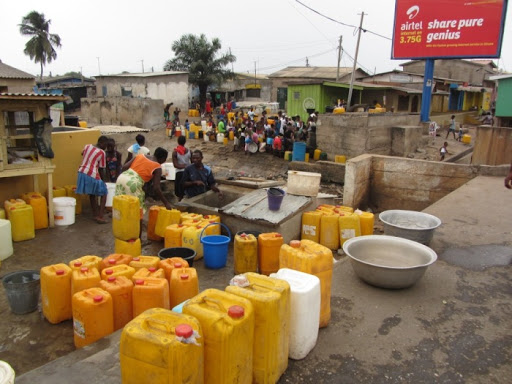
“From the beginning of this year, we have been having some serious water challenges. In fact, we haven’t had a drop of water go through our lines from January,” the operator said.
According to the facility, thousands of cedis are spent every week to secure water and keep its operations running.
Schools in the affected communities are also feeling the impact, with residents raising concerns about sanitation and basic hygiene.
The prolonged shortage has heightened fears of a wider public health crisis, particularly as many households continue to rely on untreated water sources for their daily needs.
Residents and health workers are therefore appealing to the Ghana Water Company Limited and other relevant authorities to urgently intervene and restore regular water supply to the affected communities.
READ ALSO:
Legal vacation: Ayikoi Otoo says compelling lawyers to appear in court…
How were Ghanaians taught English in 1954? The answer may surprise…