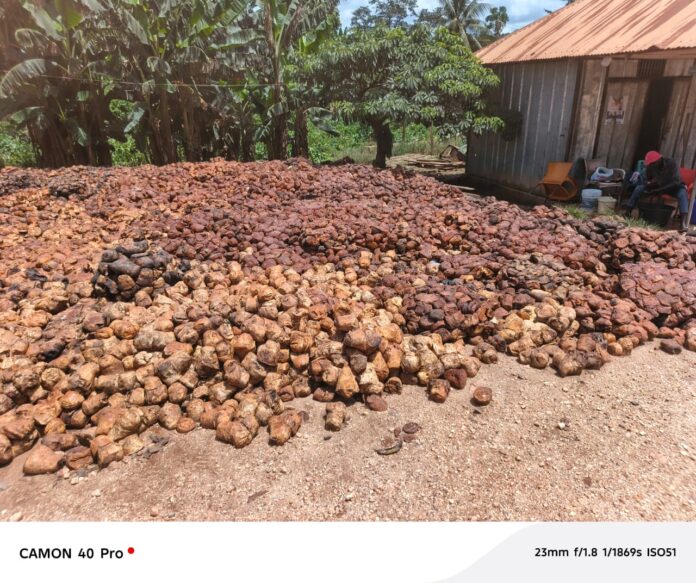

On April 27, 2026, the Ministry of Trade, Agribusiness and Industry imposed a 10-year ban on the export of raw rubber.
The government’s intention was clear: keep raw materials in the country for local processors, boost foreign exchange earnings, create jobs, and support the “24-Hour Economy” agenda.
While some processing companies welcomed the decision as a bold move, many licensed rubber traders, mostly young Ghanaians who buy from farmers and supply both local processors and exporters, raised serious concerns from the beginning.
They urged the government to avoid a total ban and instead introduce a quota system that would allow some exports.
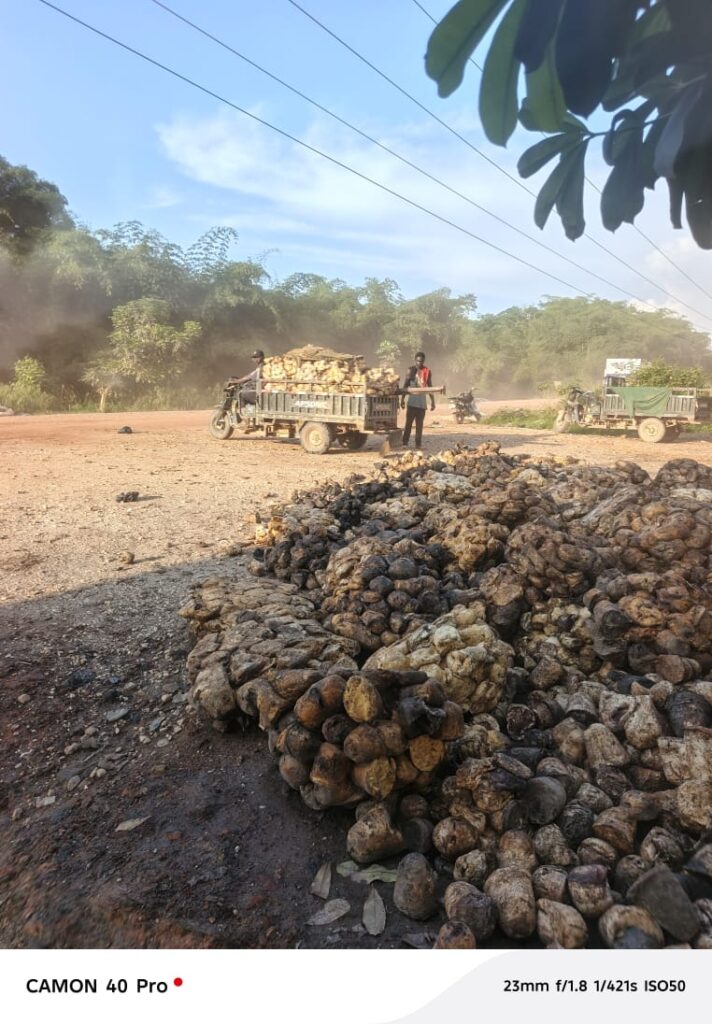
Less than three months into the ban, even before the peak production season, problems are already emerging. Our team visited four out of the seven rubber processing companies in the country to see the situation on the ground.
The most common challenges across the factories are limited storage space for raw rubber cuplumps and insufficient working capital to absorb the large volumes coming from farmers and traders.
Company 1 (Dompem, Daboase District)
The factory was completely idle. According to sources, it had already shut down before the ban and has not resumed operations despite the availability of raw materials.
Farmers who bring their rubber are told to take it elsewhere, leaving traders stranded with nowhere to sell.
Company 2 (Barrier 32, near Abura)
This company buys from both farmers and traders, but under very different terms. While farmers are paid GHC 10,300 per tonne, traders who deliver are only told the price after dropping off their goods.
Many traders feel trapped, after incurring transport costs, they have no choice but to accept whatever price is offered to avoid carrying the rubber back.
Company 3 (Damang)
The company has stopped buying wet rubber for now and is only accepting dry rubber. The reason is simple: they lack space to store and dry wet rubber, and processing wet rubber is more difficult.
They also cited financial constraints, currently buying on credit and paying after two weeks. Plans to expand storage exist, but the timeline is unclear.
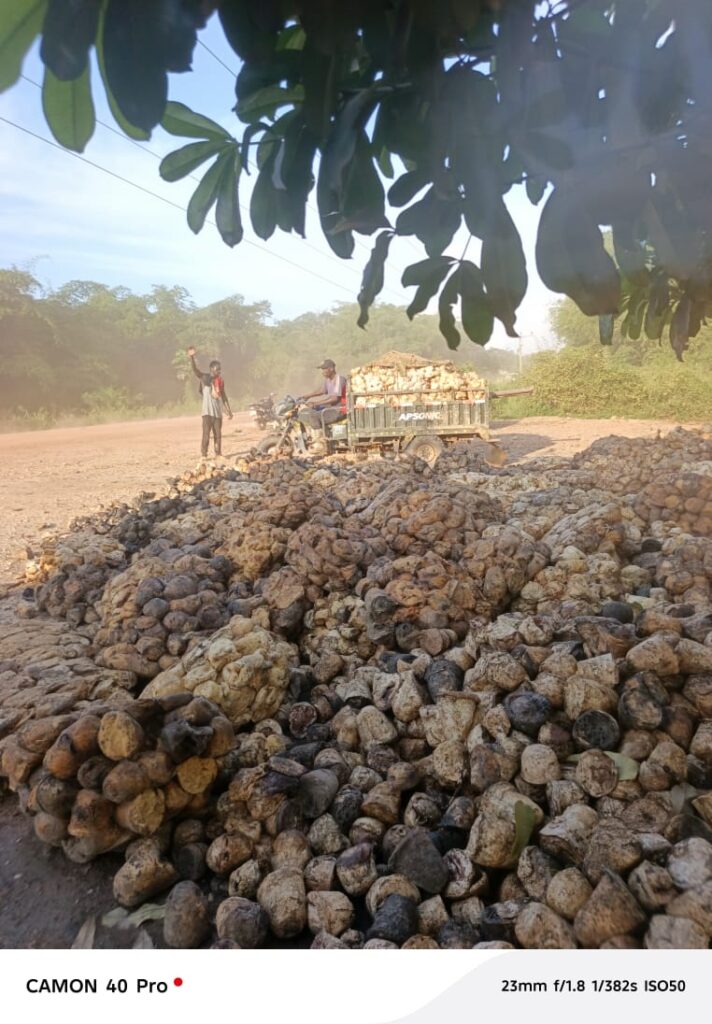
Company 4 (Asamankese)
When our team visited, no staff were present that day. In a chat with the manager, he said he had already bought enough stock and would need to assess his situation before accepting 40–50 tonnes, as he didn’t want to delay payments.
Traders say they are increasingly reluctant to buy from farmers because they have limited places to sell.
Many farmers, especially those far from processing companies, lack the means to transport their rubber themselves. There are growing fears that processors will take advantage of the situation and offer lower prices.
Farmers prefer selling to traders who come directly to their farms at agreed prices. Many now feel the export ban is hurting rather than helping them.
While industry players were initially asked by the Trade Minister to submit inclusive proposals before the ban, the policy was announced before those meetings could take place.
Traders insist they are not against industrialisation. However, they believe the government should consider current industry realities and introduce a flexible quota system, for example, allowing 30% raw export and 70% local processing.
This, they argue, would protect rural livelihoods and prevent youth unemployment among traders, farmers, and others in the rubber value chain.
The question many are asking is whether the ban is truly protecting jobs or simply creating monopolies that leave farmers and traders worse off.
ALSO READ: