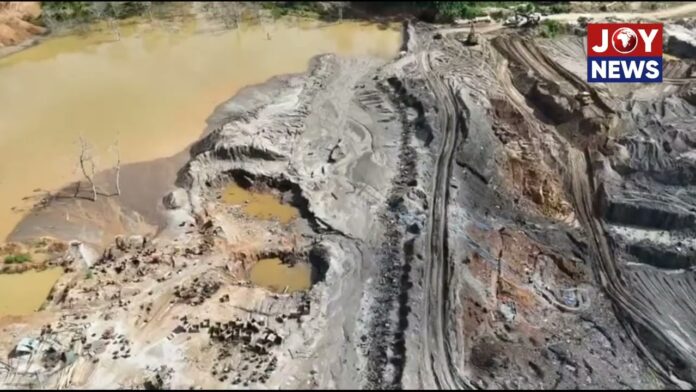

Chief Executive Officer of the Ghana Gold Board (GoldBod), Sammy Gyamfi, has attributed Ghana’s persistent illegal mining crisis, popularly known as galamsey, partly to decades of inadequate formalisation and state support for artisanal and small-scale mining (ASM).
Speaking during a Space conversation on X on Sunday, August 9, 2026, Mr Gyamfi said although Ghana took steps to formalise and legalise artisanal and small-scale mining in 1989, successive governments failed to provide the necessary support to make the sector sustainable.
He said inadequate investment in training, capacity building, equipment, monitoring and environmental reclamation had contributed significantly to the challenges confronting the sector.
“Very little was done to provide formalisation support, training, capacity building, and investing in reclamation,” he said.
According to Mr Gyamfi, the country also failed to establish effective systems to register and monitor mining equipment, geofence mining operations and track activities across mining areas.
He said these gaps had allowed the illegal mining problem to persist over the years, describing it as an “age-long problem”.
Mr Gyamfi further pointed to the limited involvement of the state in Ghana’s domestic gold-buying sector, which he said was largely controlled by private buyers.
He questioned whether previous state-backed gold purchasing programmes had adequate mechanisms to establish and verify the origin of gold bought from artisanal and small-scale miners.
“When government decided to go into gold purchases in 2021 under the Domestic Gold Purchase Programme, they were doing gold for oil, they were doing gold for reserves, they were doing gold for forex,” he said.
“But did you ever hear there was traceability under the ex-government? Did you ever hear an effort, even an effort to ensure that the gold they were buying for oil, gold for reserve, gold for forex was traceable?”
Mr Gyamfi argued that the absence of a comprehensive gold traceability system made it difficult for the state to determine whether gold purchased through such programmes was sourced from legally operating mines or from environmentally destructive illegal mining activities.