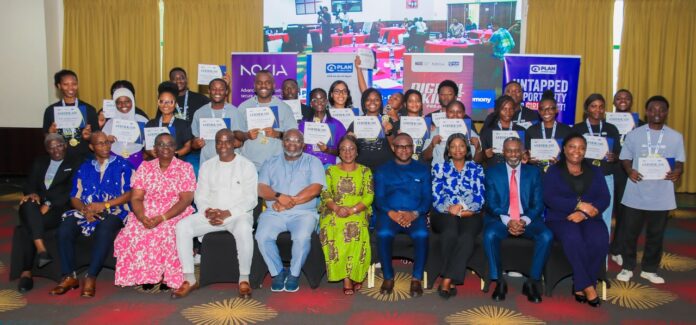

Nokia has called for more young women to take advantage of opportunities in Ghana’s growing technology space, stressing the need for greater female participation as digital skills become increasingly important.
Nokia Country Human Resources Manager, Brepo Akrofi Asiedu, made the call at the graduation ceremony of the first cohort of Plan International Ghana’s Digital Skills Project, where young people were trained to apply technology to real world challenges.
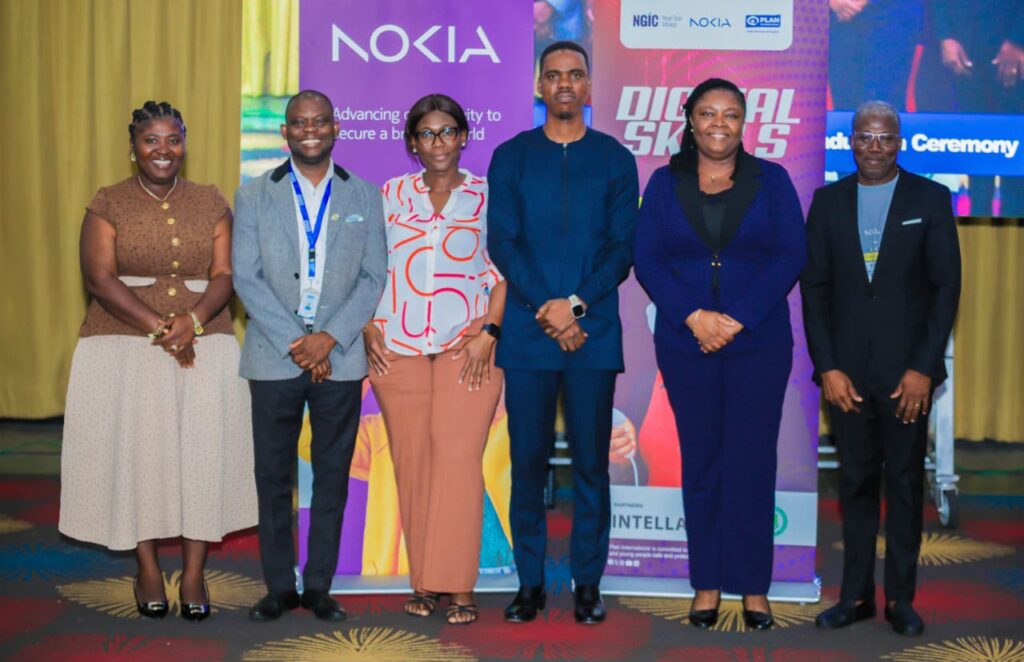
She noted that the number of female participants in the first cohort was encouraging, but expressed concern that female participation had dropped in the second cohort.
“We were encouraged by the number of females in the first cohort, but unfortunately, we saw a drop in the second cohort. We hope to see more females coming on board in the future,” she said.
According to her, the concern is not only about getting more girls into technology, but ensuring they are present to benefit from the opportunities that come with it.
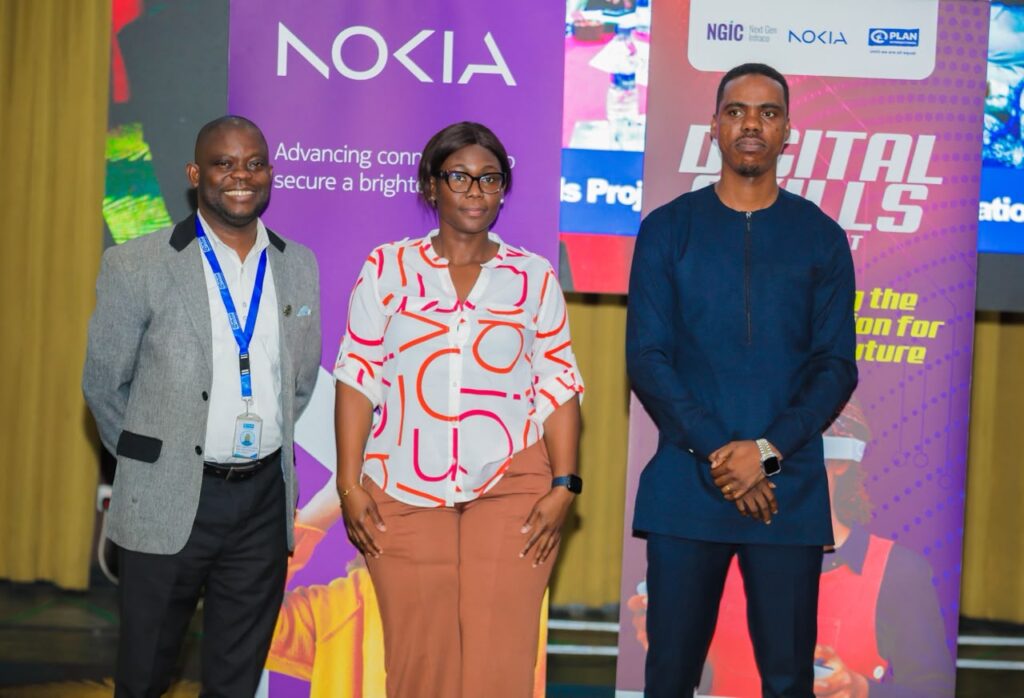
Nokia, which supported the programme, has expressed its willingness to continue supporting efforts that equip young people with digital skills and prepare them to apply those skills to practical challenges.
She therefore encouraged more young women to see technology as an area where they can build careers, develop solutions and create opportunities for themselves and others.
The call comes as some of the women who participated in the first cohort are already demonstrating what is possible when they are given the opportunity to learn and build.
One of the projects presented at the graduation was AMBU, an emergency response application developed by a team that included three women.
The application allows users to trigger an emergency response with a single tap and uses an AI agent to provide relevant information about the user to an emergency operator.
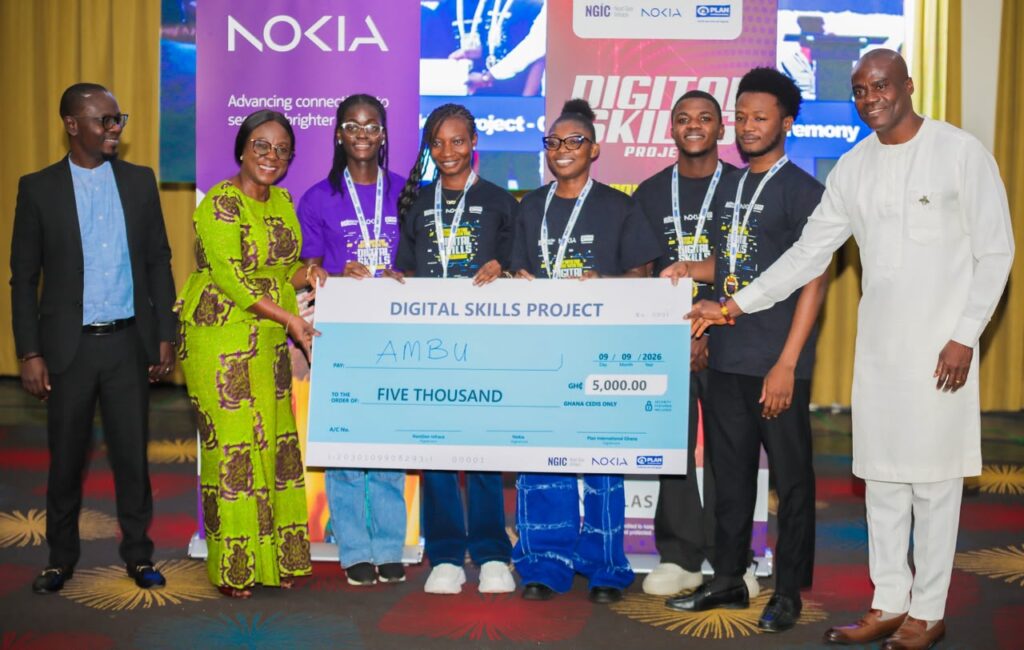
One of the team members, Susan, explained that she joined the programme partly to challenge the perception that information technology is mainly for men.
But beyond that, the programme has helped improve her understanding of programming languages, systems, APIs and databases, while giving her the opportunity to work on a solution with practical applications in the health sector.
“IT is for everyone, not just males. It is for females and males. We are here to break the barriers. Even what the men can’t do, we can do it,” she highlighted.
For Nokia, the project demonstrates the value of creating opportunities for young people to gain practical experience and turn their knowledge into solutions.
As the programme continues into subsequent cohorts, the call is for more young women to come on board, build their skills and take advantage of the support and opportunities available to them.
The Digital Skills Project is a three year initiative by Plan International Ghana designed to equip 360 young people with digital skills and practical experience to improve their employability and entrepreneurial opportunities.”
With the three year project expected to run through 2027, Nokia has reaffirmed its commitment to supporting its continued growth and impact, while encouraging more young women to take advantage of the opportunities it provides.