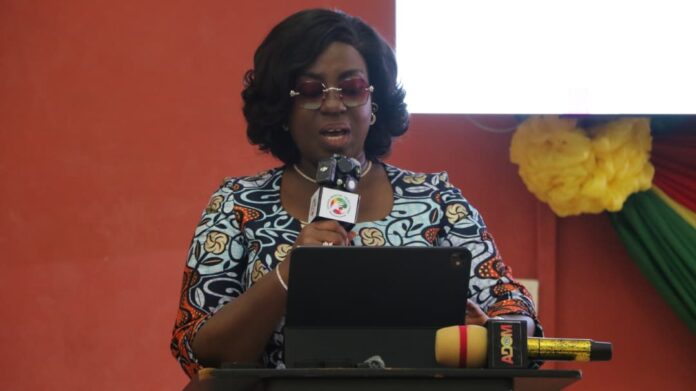

The Chief Executive Officer of the Ghana Medical Trust Fund, Adjoa Obuobia Darko-Poku, has called for stronger collaboration among health professionals, traditional authorities, religious leaders, the media and local authorities to improve access to specialised healthcare for patients suffering from chronic and life-threatening diseases.
She said the Ghana Medical Trust Fund, popularly known as Mahama Cares, was established to ease the financial burden on families struggling to afford treatment for conditions such as cancer, kidney disease, cardiovascular diseases, stroke and complications associated with diabetes.
Speaking at a stakeholder engagement on the Fund at the Professor Lofi Anyidoho Auditorium in Ho, organised in collaboration with the Volta Regional Coordinating Council, Adjoa Obuobia Darko-Poku said the initiative was intended to ensure that financial difficulties did not prevent eligible patients from accessing essential medical care.
She explained that serious illnesses often impose enormous financial and emotional pressure on families, forcing some to exhaust their savings, sell assets or interrupt their children’s education to pay for treatment.
According to her, the Fund’s interventions go beyond providing financial assistance to patients, as it also seeks to strengthen healthcare infrastructure, improve medical equipment, support specialist training and promote research and innovation.
She disclosed that the Fund had begun implementing pilot interventions involving 50 patients nationwide to assess the systems needed to provide support to eligible beneficiaries.
Adjoa Obuobia Darko-Poku further cited interventions to restore cardiac catheterisation services at the Korle Bu Teaching Hospital, alongside ongoing cardiology centre projects at the Komfo Anokye and Tamale Teaching Hospitals.
She stressed that the Fund was engaging healthcare professionals and partner institutions to identify gaps in specialised healthcare delivery and develop interventions that respond to the needs of patients across the country.
The Chief Executive Officer urged stakeholders in the Volta Region to help educate the public on the Fund’s mandate, eligibility requirements and application procedures to ensure that eligible patients receive the necessary support.
She also called on the media, traditional leaders, religious institutions, and local authorities to help disseminate accurate information to communities, particularly those in rural and hard-to-reach areas.
VOLTA REGION PLEDGES SUPPORT FOR MAHAMA CARES
The Volta Regional Minister, James Gunu, reaffirmed the Regional Coordinating Council’s commitment to working with the Ghana Medical Trust Fund and other relevant institutions to improve access to healthcare in the region.
He said the success of the initiative would depend on public awareness, transparent administration, effective coordination among healthcare providers and fair access to benefits for eligible patients.
Mr Gunu observed that people in rural communities continued to face challenges, including transportation costs, limited access to medical equipment, delayed diagnosis and difficulties accessing specialised health services.
He therefore urged stakeholders to use radio stations, community information centres, religious platforms and other trusted communication channels to educate the public about the Fund.
He further encouraged healthcare professionals and facilities to streamline referral and administrative procedures to prevent unnecessary delays in accessing assistance.
The Regional Minister said the outcome of the engagement should translate into practical measures, stronger stakeholder collaboration and improved identification and referral of eligible patients.
He emphasised that vulnerable people across the region must not be left behind in the implementation of the initiative.
UHAS VICE-CHANCELLOR ADVOCATES EARLY CANCER DETECTION
The Vice-Chancellor of the University of Health and Allied Sciences (UHAS), Lydia Aziato also commended the government for establishing the Ghana Medical Trust Fund, describing it as an important intervention for patients who struggle to meet the high cost of treating cancer and other serious illnesses.
She urged women to seek early screening and medical attention whenever they noticed unusual changes in their bodies, warning that delays in seeking treatment could worsen their conditions and reduce their chances of recovery.
She noted that the cost of cancer treatment, including chemotherapy and radiotherapy, remained a major challenge for many patients and their families.
The Vice-Chancellor encouraged Ghanaians to combine their faith with professional medical care, stressing that prayer should not replace hospital treatment.
She also welcomed the government’s free primary healthcare initiative, saying it could help improve early detection and ensure patients received timely treatment before their conditions became severe.
Drawing on the experiences of cancer survivors, she highlighted the importance of early diagnosis and access to appropriate treatment, urging women not to hide their illnesses out of fear, stigma or embarrassment.
She expressed hope that the Ghana Medical Trust Fund would provide renewed opportunities for patients who might otherwise struggle to afford treatment.
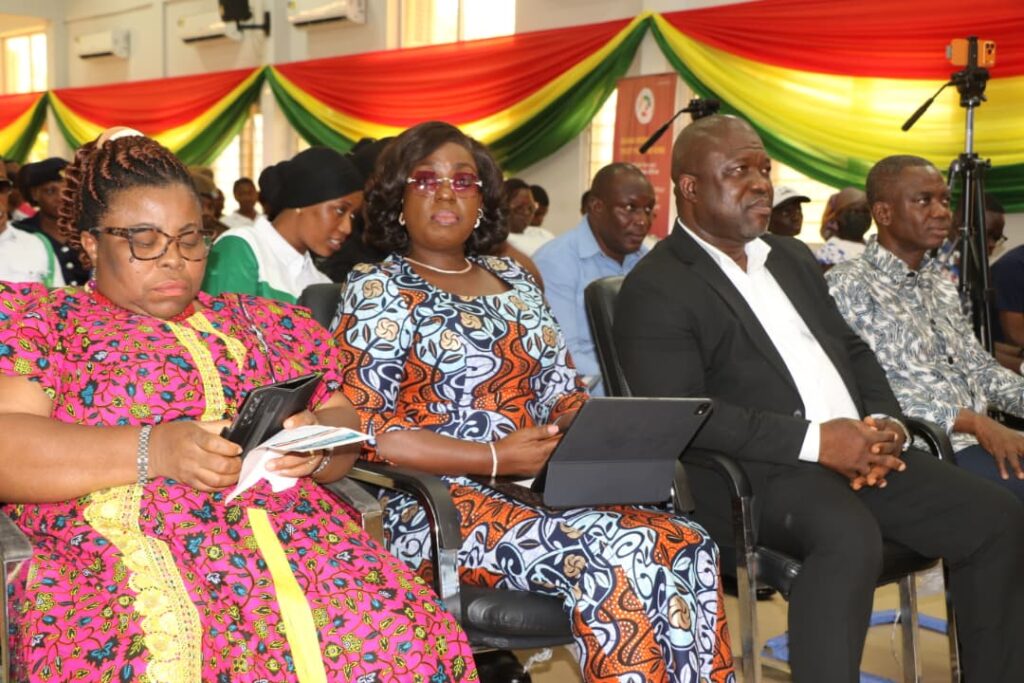
The stakeholder engagement forms part of efforts by the Ghana Medical Trust Fund to deepen public understanding of its operations, strengthen partnerships with healthcare institutions and ensure that eligible patients can access the support available to them.
The engagement brought together health professionals, traditional and religious leaders, public officials and other stakeholders to discuss ways of improving awareness and access to specialised healthcare in the Volta Region.