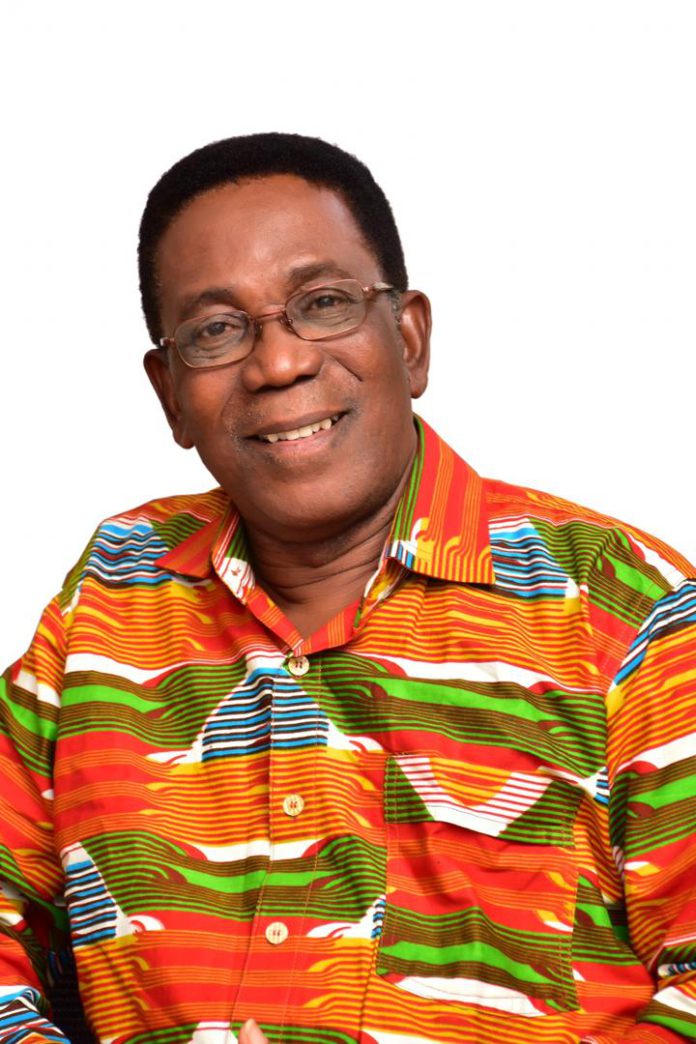

Former Minister of State and academic, Prof. Kwesi Yankah, has appealed to President John Dramani Mahama not to assent to the recently passed Public Tribunals Bill, warning that it could revive a troubling chapter in Ghana’s democratic history.
In an opinion piece titled “Tribunals: The Return of Terror,” Prof. Yankah argued that the reintroduction of public tribunals brings back memories of the June 4, 1979 era, during which he said many Ghanaians were subjected to unfair trials and denied due process.
He recalled conversations he had in 1997 with children of some people who were executed during the June 4 uprising, saying their experiences reflected the lasting pain caused by a system he described as lacking fairness and accountability.
According to Prof. Yankah, the tribunals established during the revolutionary period were characterised by quick judgments, severe punishments and limited opportunities for accused persons to defend themselves.
He described them as “Rapid Results Panels” that, in his view, rarely acquitted people who appeared before them.
Prof. Yankah questioned the decision to revive public tribunals, noting that the Constitution Review Committee chaired by Prof. H. Kwasi Prempeh had recommended their removal from Ghana’s legal framework.
He explained that although public tribunals are recognised under Articles 126 and 142 of the 1992 Constitution, the review committee proposed replacing them with the ordinary court system.
The former minister also criticised Parliament’s passage of the Bill, claiming it was approved late at night despite opposition from the Minority, who walked out of the chamber in protest.
He further expressed concern over what he described as signs of a return to revolutionary-style governance, citing recent arrests, bail conditions imposed on political opponents and the government’s anti-corruption efforts as issues requiring closer scrutiny.
Prof. Yankah urged President Mahama to consider the historical implications of the Bill before making a decision, arguing that his action would form an important part of his legacy.
He warned that assenting to the legislation could revive memories of fear and injustice associated with past tribunal systems and appealed to the President to reject what he called “the return of terror.”