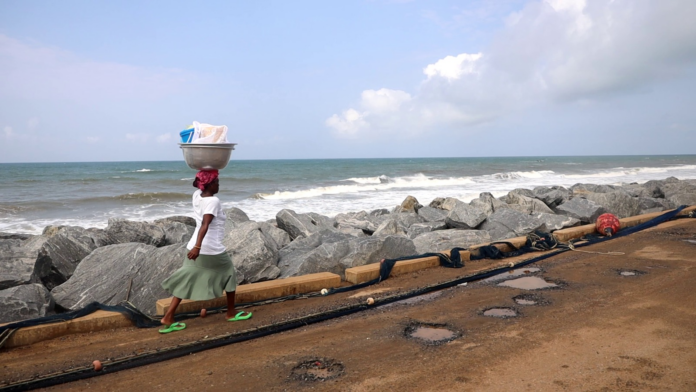

A three-year study by researchers at the Kwame Nkrumah University of Science and Technology (KNUST) has revealed worsening coastal erosion, saltwater intrusion and growing tidal threats to communities along Ghana’s eastern coastline.
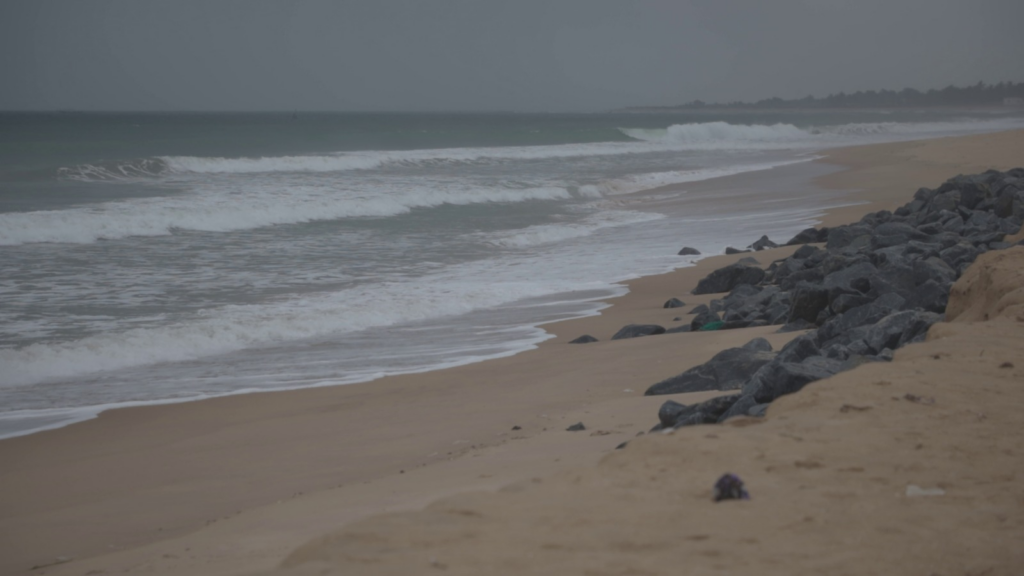
The study, conducted along the Keta coastline, found that the sea defence system is redirecting the impact of high tides to communities without such protection, while freshwater sources in some areas are recording significant levels of salt contamination.
Researchers at the West Africa Geophysics (WAGeo) Lab are therefore calling for urgent action to establish a national coastal monitoring and early warning system to protect vulnerable communities.
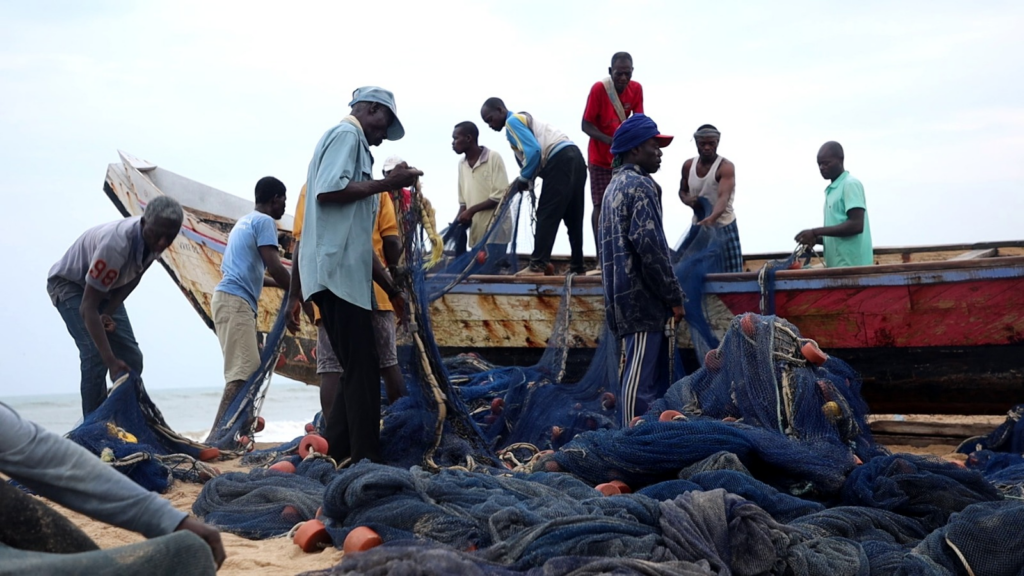
Many communities along Ghana’s coastline continue to face threats from high tides, with some already losing significant portions of their land to the sea.
The research, conducted under the TIDEKIT (Protecting the Coast and Heritage of Keta Using Integrated Geophysical Methods) project, found that some sections of the coastline have lost more than 103 metres of land during the study period.
Areas around the Volta Estuary recorded erosion rates of up to 30.5 metres per year.
The study also found that seawater has travelled more than 1.3 kilometres inland in some communities, contaminating groundwater and threatening freshwater supplies.
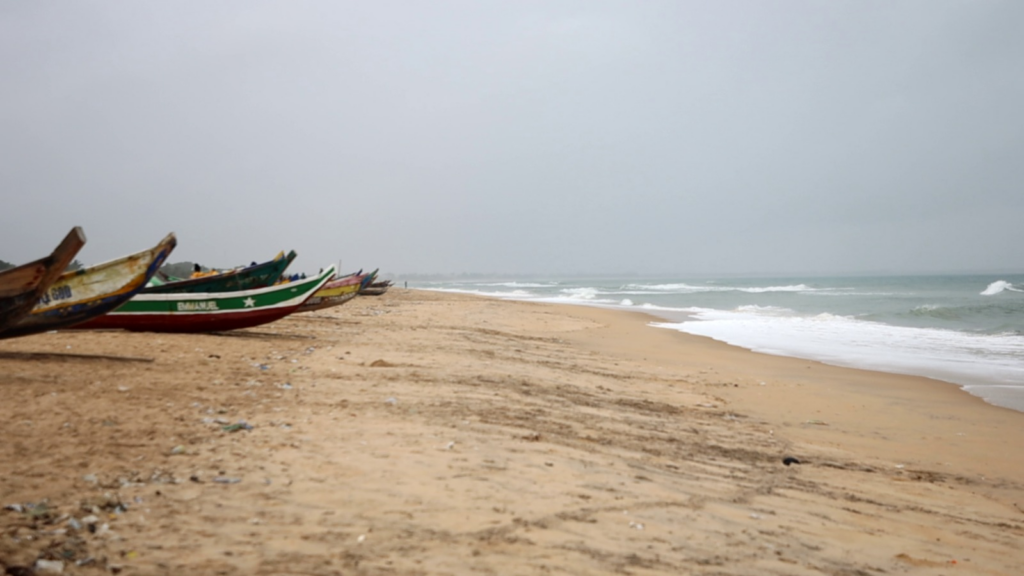
The researchers are recommending the expansion of Ghana’s national coastal monitoring network, the deployment of real-time early warning systems for tidal waves and coastal flooding, and stronger collaboration among state institutions to improve data sharing and disaster preparedness.
They are also calling for greater investment in locally developed technologies capable of providing real-time coastal data to support planning and climate adaptation.
Principal Investigator of the TIDEKIT Project and Head of the WAGeo Lab, Dr Cyril D. Boateng, said the research was designed to go beyond scientific publications and contribute directly to policy and decision-making.
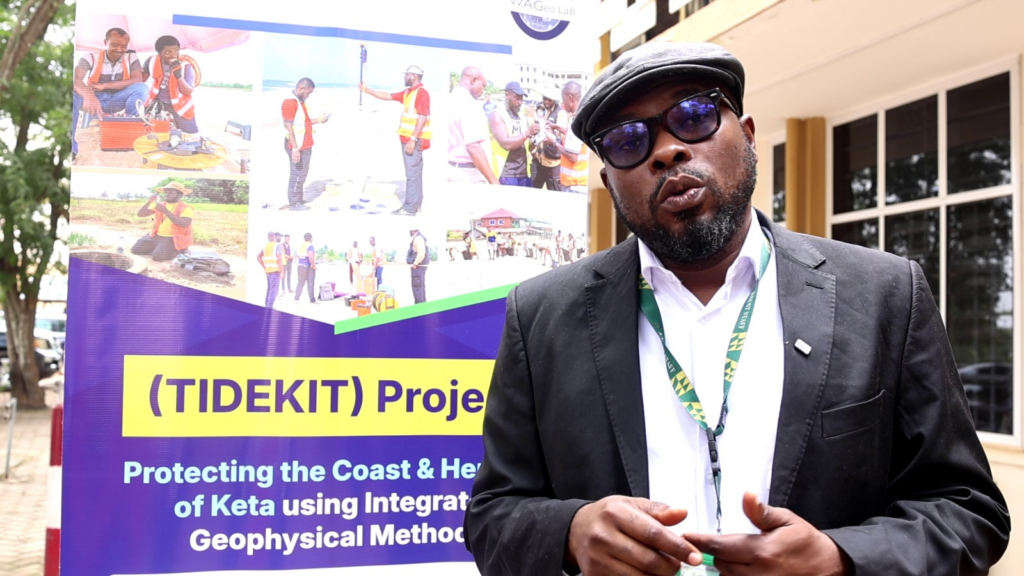
“We’ve shared the findings with the key agencies responsible for coastal management because the next step is implementation. We hope these recommendations become part of Ghana’s coastal protection policies,” he said.
According to Dr Boateng, the project has already identified areas of potential collaboration with institutions including the National Disaster Management Organisation (NADMO), the Ghana Meteorological Agency (GMet), the Environmental Protection Agency (EPA), the Water Resources Commission and the Ghana Ports and Harbours Authority.
He explained that the project’s locally developed coastal monitoring systems and meteorological stations could complement existing national systems by providing data for early warning, groundwater monitoring and long-term coastal planning.
GMet backs early warning systems
Deputy Director-General for Operations at the Ghana Meteorological Agency, Dr Ignatius K. Williams, described the project as timely, noting that several communities along the Keta coastline continue to experience storm surges and tidal flooding.
He said the monitoring systems and meteorological data generated by the project could improve forecasting and support the last-mile dissemination of warnings to vulnerable communities.
This, he said, would enable residents to prepare for disasters and strengthen resilience in affected communities.
EPA calls for predictive environmental intelligence
Dr Nathaniel Bimpong of the Environmental Protection Agency said the findings could help Ghana move from reacting to environmental disasters to predicting and preventing them.
He said data generated by the project could be integrated into the EPA’s environmental monitoring systems to support what he described as “predictive environmental intelligence.”
Dr Bimpong also called for institutional and financial support to replicate the locally developed technology in other parts of Ghana’s coastline.
“The action is now,” he stressed, urging stakeholders to work together to scale up the innovation.
NADMO pledges support
Director in charge of Geological Disasters at NADMO, Dr Bertha Kusimi, said the recommendations were aligned with the organisation’s mandate.
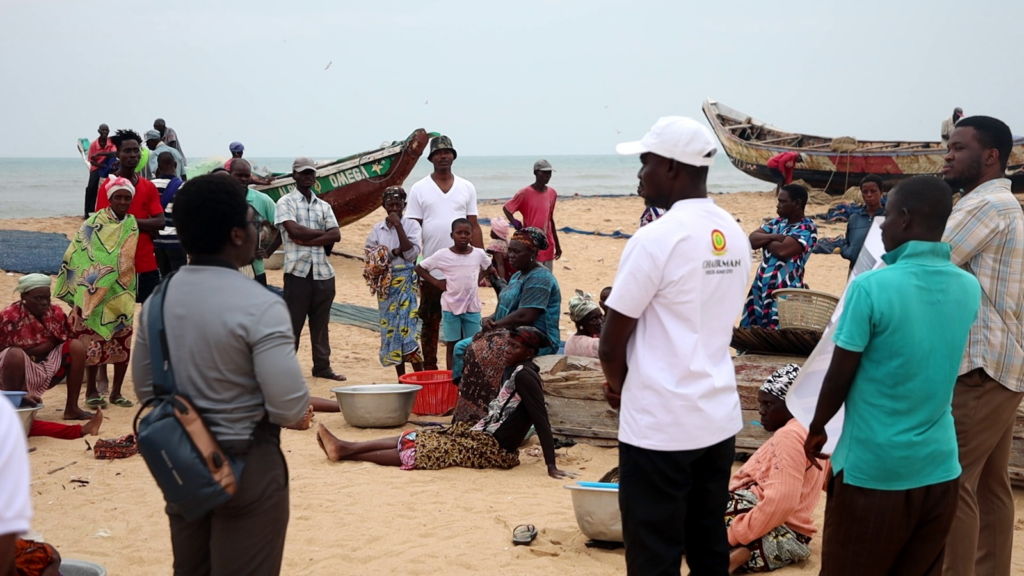
She expressed NADMO’s readiness to adopt aspects of the research, particularly in the areas of public education, community awareness and nature-based solutions to improve resilience along Ghana’s coastline.
The three-year TIDEKIT project was undertaken through the West Africa Geophysics (WAGeo) Lab.
It uses advanced geophysical methods and locally developed technologies to study coastal erosion, saltwater intrusion and tidal flooding, while developing practical, evidence-based solutions to strengthen coastal resilience in Ghana.