
The government is planning to allocate approximately GH¢2.8 billion from the US$300 million STARR-J facility to improve secondary school infrastructure and expand access to education nationwide.
Education Minister Haruna Iddrisu said part of the facility would also be used to strengthen quality assurance and provide textbooks to schools.
He has directed officials of the Ministry of Education to ensure that all projects under the initiative are awarded through open, competitive and transparent procurement processes.
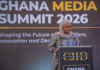
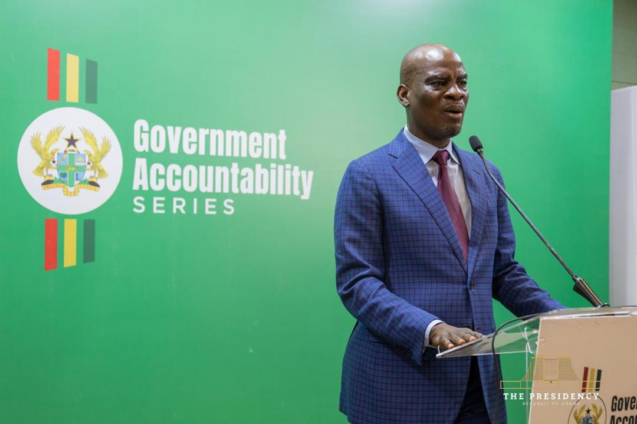
Mr Iddrisu made the disclosure at the Ghana and Regional Foundational Learning Evidence and Implementation Support Day, where he called for renewed attention to basic education, particularly literacy and numeracy.
He said the success of Ghana’s education system should not be measured solely by the number of schools and classrooms constructed, but by the extent to which pupils acquire the knowledge and skills expected at their respective levels.
“We need to prioritise basic foundational learning, realign and direct investment into foundational learning, recognising that foundational learning unmistakably is a gateway to the success of any educational system,” he said.
The Minister cited findings from an Auditor-General’s report indicating that about 10,700 public basic schools across 13 regions, serving more than three million pupils, lacked adequate classroom infrastructure.
He described the situation as requiring urgent intervention, particularly because the 1992 Constitution guarantees free, compulsory and universal basic education.
“It is not for nothing that the framers of the Constitution identified free, compulsory, universal basic education. But the irony, you are talking about free secondary education when you haven’t achieved free, compulsory, universal basic education,” Mr Iddrisu said.
He called for greater investment in the foundational stages of education to ensure that children develop strong literacy and numeracy skills before progressing to higher levels.
Mr Iddrisu also advocated for education policies and investments to be guided by reliable data and evidence.
He cited the Ghana Accountability for Learning Outcomes Project (GALOP), which he said identified about 10,579 low-performing basic schools for targeted funding and technical assistance.
According to him, such interventions demonstrate the importance of directing resources to areas where educational needs are greatest.
The Minister further announced plans to introduce stronger digital and technical components into the revised curriculum from kindergarten to Primary Six.
He said pupils would be introduced to areas including robotics, coding, electronics and artificial intelligence as part of efforts to equip them with skills relevant to the modern economy.
The revised curriculum, he added, will be submitted to Cabinet for policy guidance after the Ghana Education Service completes its review.
READ ALSO:
CCTV footage of moment trotro crashes into police pickup on KNUST campus [Watch]