
For a child with special educational needs, having the right teacher can make the difference between struggling in silence and discovering a world of possibilities.
But across Ghana, many children in special schools are facing a troubling reality: the majority of the teachers teaching them are not specially trained for the job.
The Conference of Heads of Special Schools (COHESS) says only 30 per cent of teachers in special schools across the country are specially trained, while the remaining 70 per cent are regular teachers.
The revelation has sparked renewed concern among heads of special schools, who say the situation is affecting the quality of education and support available to some of Ghana’s most vulnerable learners.
‘The trained teachers are available.’
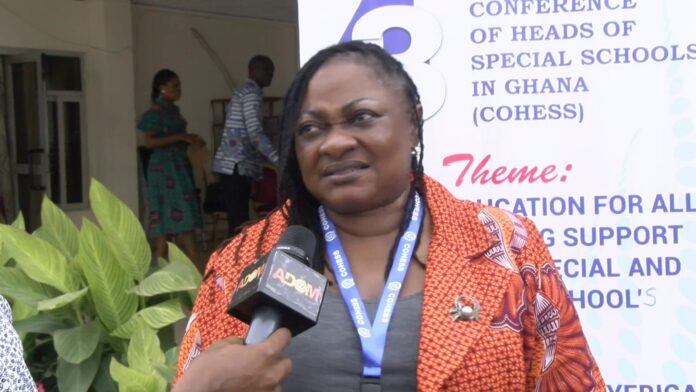
Chairperson of COHESS, Roseline Frepomaa Adjepong, says the problem is not necessarily a lack of trained special education teachers.
According to her, there are several trained special teachers already within the education system, but many of them are not being posted to special schools.
Instead, special schools often receive regular teachers who have little or no specialised training in teaching children with disabilities.
The heads of these schools are then forced to train the teachers themselves before they can effectively handle the unique needs of the learners.
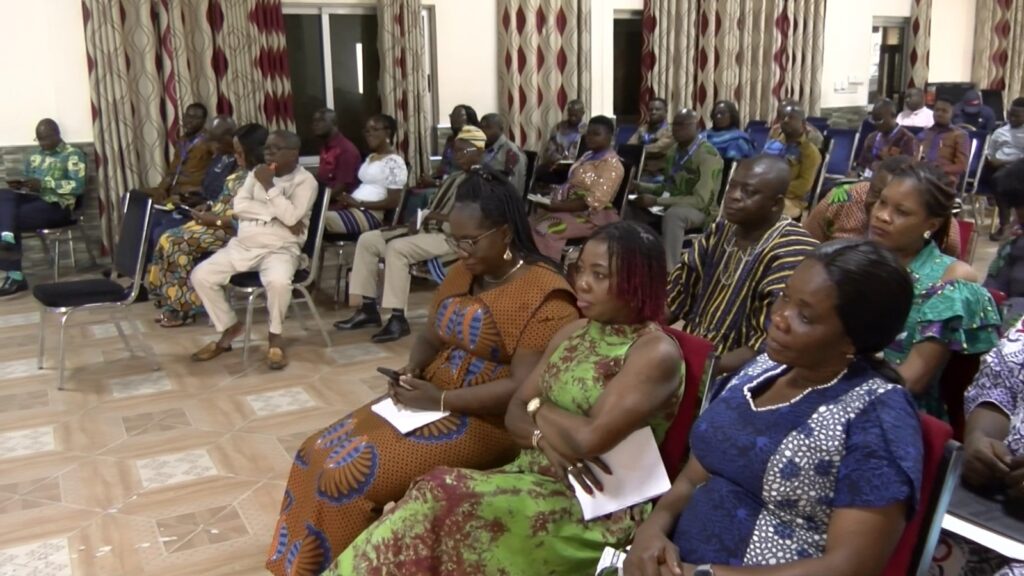
Madam Adjepong expressed concern about the situation at the Annual Conference of Heads of Special Schools in Ghana, stressing the need for trained teachers to be deliberately deployed to special schools.
A classroom where every child needs specialised attention
Teaching in a special school is not the same as teaching in a conventional classroom.
Some learners require specialised communication techniques, individualised teaching approaches and carefully adapted learning materials.
For others, progress may depend on a teacher’s ability to recognise their unique strengths, challenges and ways of communicating.
This is why school heads say having qualified special education teachers is not a luxury but a necessity.
When a regular teacher is posted to a special school without the required training, the teacher may have to learn on the job while trying to meet the needs of learners.
That can place pressure on both the teacher and the school, and, most importantly, on the child.
Behind the statistics are children
The 70 per cent figure is more than a statistic. It represents thousands of children whose parents send them to school with the hope that they will acquire skills, develop their confidence and become as independent as possible.
For many parents, special schools are places of hope. They expect their children to find teachers who understand them and can help them overcome barriers that may make learning more difficult.
But when trained personnel are not available, that hope can be weakened. The concern is not that regular teachers cannot teach.
Rather, the issue is whether they are being given the specialised preparation required to teach learners with different forms of disabilities effectively.
GES promises action
Meanwhile, Deputy Director-General of the Ghana Education Service (GES) in charge of Management Services, Professor Smile Gavua Dzisi, says the government is working to address the challenges confronting special schools.
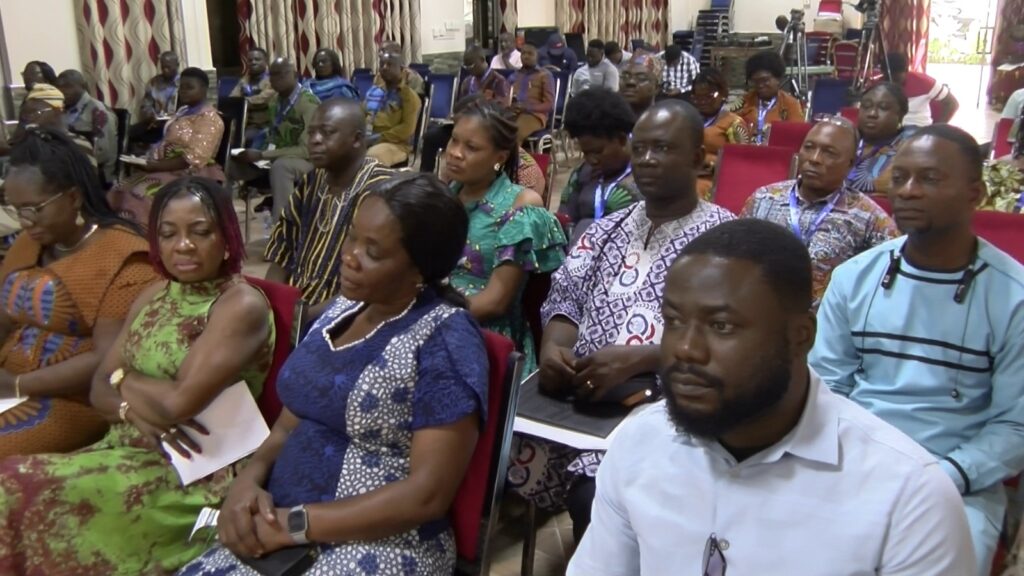
Her assurance comes at a time when school heads are calling for urgent interventions to improve staffing and other conditions in special schools.
For COHESS, however, the message is clear: trained special education teachers must be sent to the schools where they are needed most.
The children are waiting. The trained teachers are reportedly available. What is needed now is for the two to meet.
Also read: