
Ghana has moved from Tier 2 to Tier 1 in the U.S. Department of State’s Trafficking in Persons (TIP) Report, according to International Justice Mission (IJM) Ghana, which has congratulated the government and other stakeholders on the upgrade.
In a statement issued today, IJM Ghana described the upgrade as historic. It said Tier 1 status signifies that Ghana fully meets the minimum standards for eliminating human trafficking, and that it reflects years of coordinated action, strategic investment and stronger collaboration among state agencies, civil society, development partners, the media and citizens.
IJM said the upgrade was driven by measurable progress in prosecution, protection and prevention. During the reporting period, it said, Ghana:
- prosecuted 212 alleged traffickers and secured 28 convictions;
- identified 2,331 trafficking victims and referred all of them to appropriate services;
- increased funding for victim assistance and anti-trafficking initiatives;
- expanded frontline training and strengthened international cooperation; and
- stepped up efforts against online scam operations linked to trafficking and forced labour.
The organisation called the rise in victim identification and referral particularly encouraging. It said this shows growing capacity among social welfare officers, law enforcement, labour inspectors, immigration officers and civil society groups.
IJM Ghana singled out several institutions for praise:
- the Ministry of Gender, Children and Social Protection, especially its Human Trafficking Secretariat, for coordinating national efforts and implementing the National Action Plan;
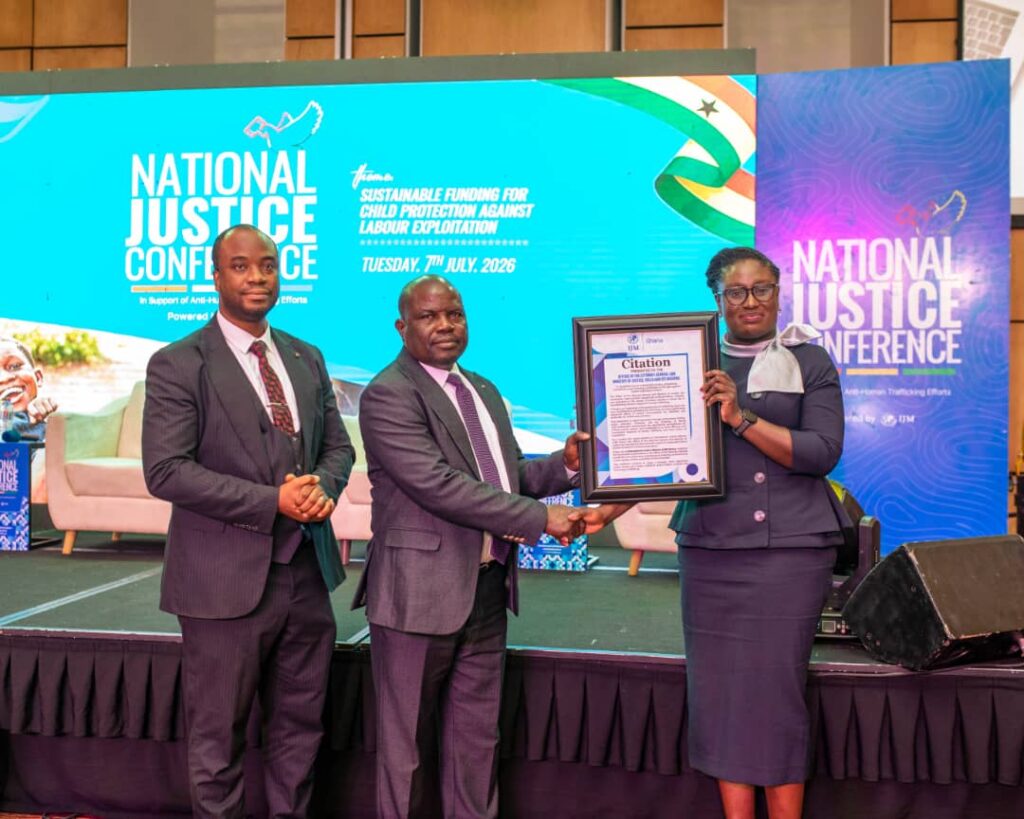
- the Office of the Attorney-General and Ministry of Justice, for stronger prosecutions and more convictions;
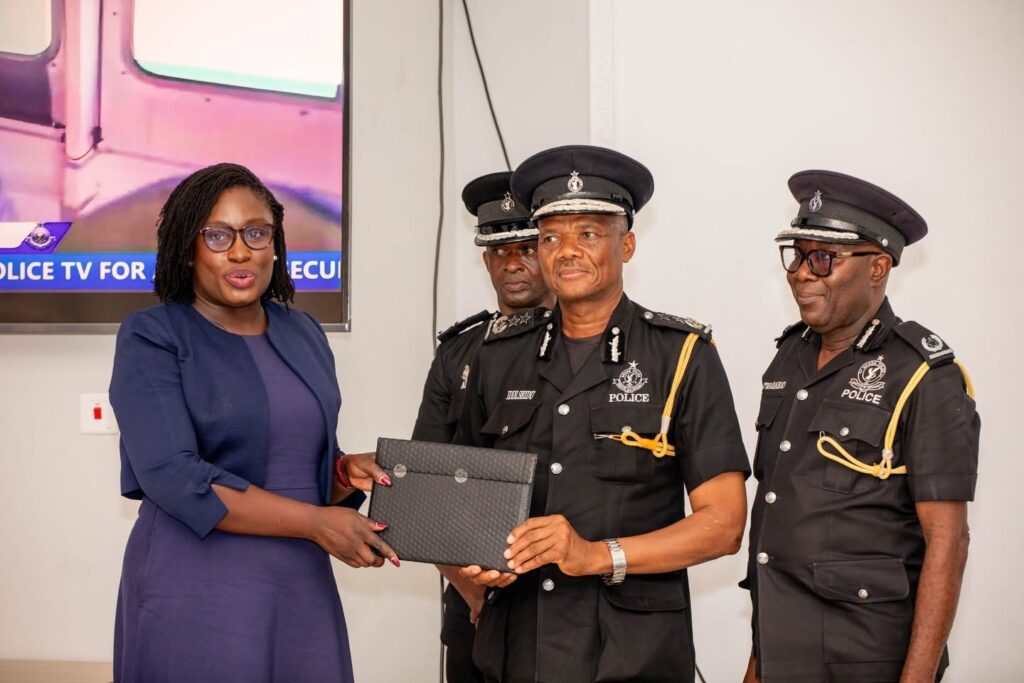
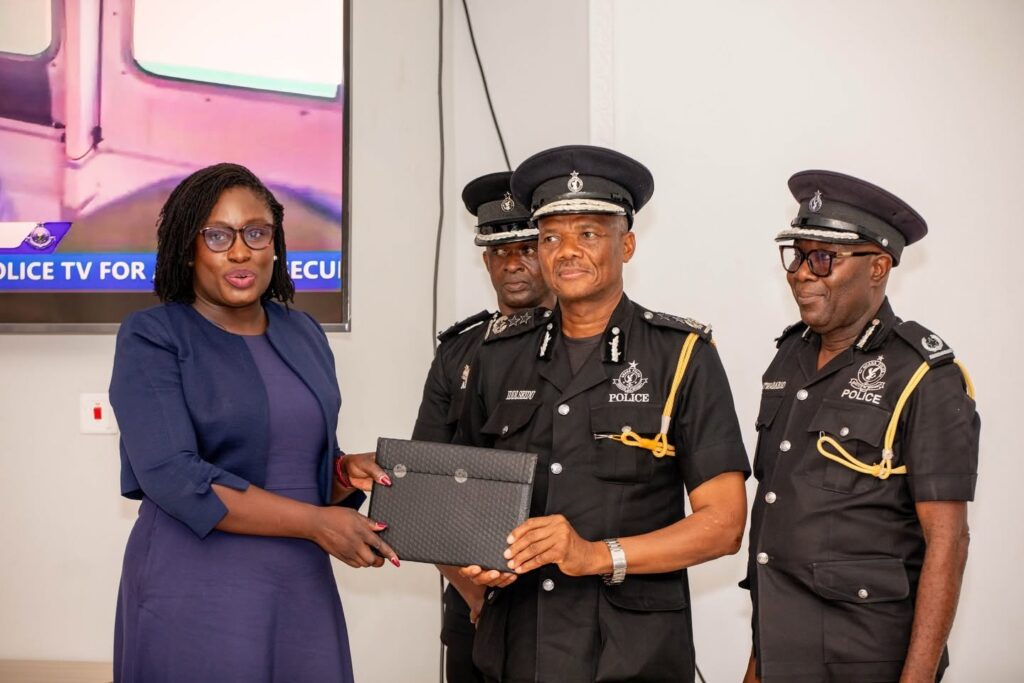
- the Ghana Police Service, including its anti-trafficking and marine units working on Lake Volta;
- the Ghana Immigration Service and the Economic and Organised Crime Office (EOCO), for investigations, victim identification and work on cyber-enabled exploitation;
- the Ministry of Labour, Jobs and Employment Relations, for labour migration safeguards; and
- Members of Parliament, notably the Select Committees on Human Rights and on Gender.
It also thanked the National Commission for Civic Education, the media, faith groups, traditional and religious leaders, development partners and “the people of Ghana” for their vigilance and community action.
IJM Ghana cautioned that the ranking should not be read as the end of the work. Citing the TIP Report, it said children in Ghana still face forced labour in inland and coastal fishing, domestic work, street hawking, agriculture, artisanal mining, quarrying and herding. Child trafficking on Lake Volta remains a significant concern, and children from Ghana and neighbouring West African countries remain vulnerable.
The report also notes growing use of technology by traffickers, who recruit and exploit victims through fraudulent job offers, cybercrime, online scams and deceptive migration opportunities, IJM said.
Shelter capacity, particularly for adult survivors, remains limited. The organisation called for more investment in anti-trafficking responses in rural communities, specialised training on cyber-enabled crimes and better survivor services. It urged increased funding for human trafficking response and child protection, along with adequate resourcing of frontline institutions and stronger accountability mechanisms.
IJM also credited civil society organisations and NGOs as indispensable partners. It said they provided survivor care, ran shelters, led public education campaigns, supported investigations, trained frontline officials and worked in high-risk communities, filling critical gaps in protection services.
Anita Budu, IJM’s Director for the West Africa Programme, called the upgrade “a significant national achievement that reflects the power of coordinated action and collective commitment.”
“At the same time, we recognize that thousands of children and vulnerable adults remain at risk of trafficking and exploitation,” she added. “This achievement should inspire us to work even harder to ensure every child is safe, every survivor is protected, and every trafficker is held accountable.”
About IJM
International Justice Mission is a global organisation that works with local authorities in 33 programme offices across 19 countries to combat violence against women and children, abuse of power by public authorities, and human trafficking and forced labour. In Ghana, it partners with government institutions to address trafficking and forced labour in the agricultural sector by strengthening authorities’ ability to identify, remediate and prevent cases.