
Ghana has pledged its full support for the UNAIDS “40+20” global milestone, a new roadmap under the Global AIDS Strategy 2026–2031 aimed at expanding HIV treatment and prevention access worldwide by 2030.
The initiative seeks to ensure that 40 million people living with HIV are on antiretroviral treatment (ART) with suppressed viral loads, while 20 million people at risk of HIV infection have access to ARV-based prevention options, including oral PrEP and long-acting injectables.
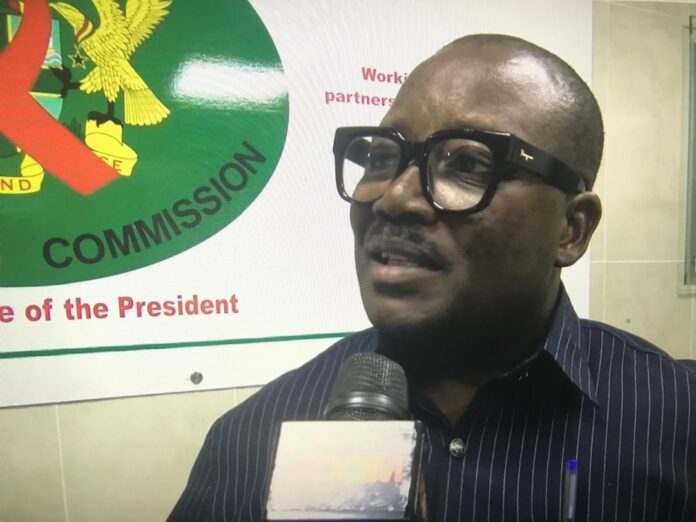
Director General of the Ghana AIDS Commission, Dr Kharmacelle Akanbong, said Ghana’s commitment was expressed during the United Nations General Assembly and will be reaffirmed at an upcoming African Union summit in Accra.
The “40+20” target complements the existing 95-95-95 goals but expands the focus beyond people living with HIV to include prevention services for those at risk.
With Ghana currently recording 337,435 people living with HIV, Dr Akanbong said achieving the milestone is critical to ending AIDS as a public health threat by 2030.
He explained that the roadmap focuses on increasing access to HIV testing, ensuring rapid linkage to treatment, expanding PrEP services for key populations, improving viral load suppression through adherence support, reducing stigma and discrimination, strengthening domestic financing and sustaining community-led interventions.
“The UNAIDS 40+20 milestone is the world’s new roadmap to ending AIDS by 2030,” Dr Akanbong stated.
The UNAIDS Global AIDS Strategy 2026–2031 identifies the “40+20” milestone as a central component of efforts to accelerate progress towards ending AIDS. Unlike the 95-95-95 targets, which primarily focus on people already living with HIV, the new framework combines treatment and prevention goals while emphasising rights-based and stigma-free access to services.
African leaders are expected to gather in Accra for an African Union summit aimed at declaring a continental commitment to ending HIV/AIDS and other non-communicable diseases as public health threats by 2030.
A further declaration on inclusion by African countries is also expected at a United Nations meeting in September.
Also read: