
The Fisheries Commission has raised concerns over the growing impact of illegal mining, popularly known as galamsey, on fish farming and aquaculture in Ghana.
The Commission says it has observed increasing illegal mining activities in wetlands, many of which are considered suitable locations for fish farming and aquaculture development.
Ashanti Regional Director of the Fisheries Commission, Abigail Quarshie, said the situation was making it increasingly difficult for young people, including agriculture graduates, to secure land for fish farming projects.
She expressed concern that many young people were turning to activities that degrade the environment instead of pursuing opportunities in agriculture and fisheries.
Madam Quarshie spoke to JoyNews on the sidelines of the second phase of an aquaculture training programme for Senior High School students.
She noted that Ghana has a high demand for fish, making the protection of land and water resources essential to the sustainability of the fisheries sector.
“We have realised that a lot of youth are now going into other jobs that are destroying the environment. Ghana is one of the biggest fish-eating countries in the world and each Ghanaian takes about 25 kilos of fish every year,” she said.
She warned that continued destruction of wetlands and water bodies through illegal mining could undermine the country’s ability to produce enough fish locally.
“If galamsey is going to destroy our lands and water bodies, then it means very soon we will not even get lands to do fish farming,” she added.
According to Madam Quarshie, several fish farms in Obuasi and surrounding communities have already been affected by illegal mining, forcing some farmers to abandon their operations.
“Let me use Obuasi as a case study. A lot of our farms in Obuasi and its environs have been folding up because of galamsey activities,” she said.
She appealed to miners, community members, traditional authorities and other stakeholders to support efforts to protect wetlands and water bodies.
She stressed that safeguarding these resources was critical to food security and the livelihoods of people working across the fisheries and aquaculture value chain.
Youth trained in aquaculture
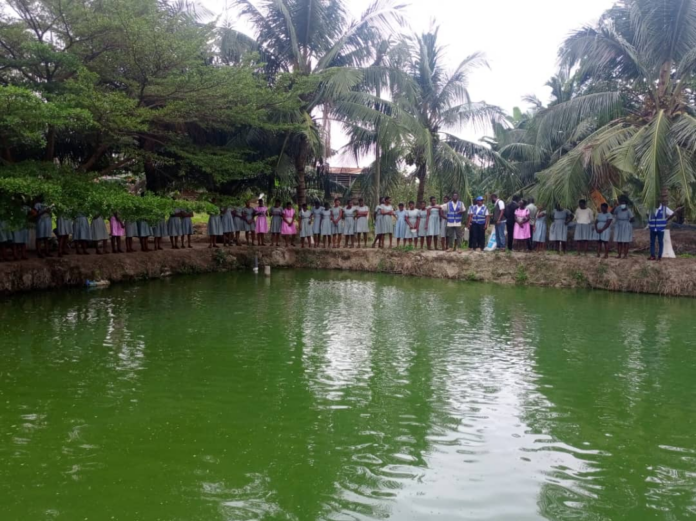
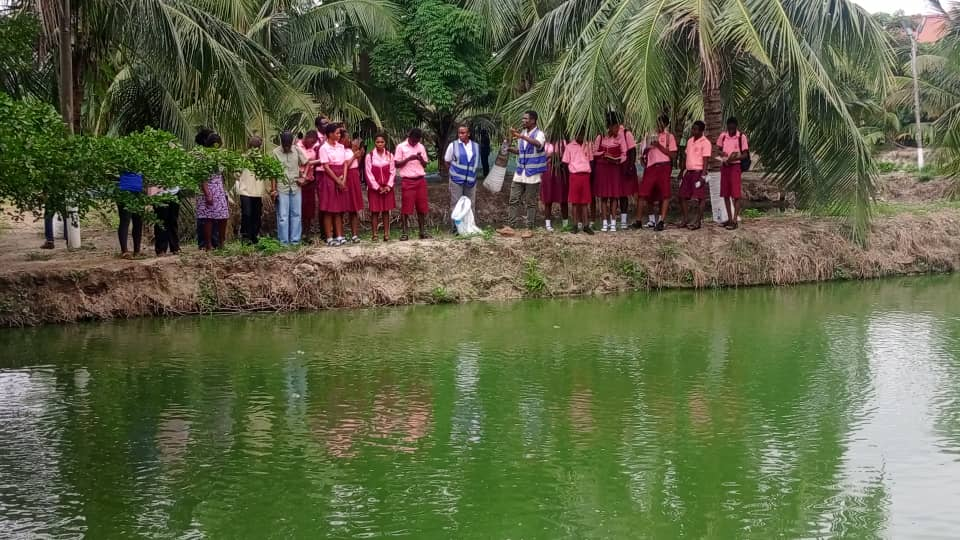
The concerns were raised during the second phase of the Fisheries Commission’s Youth in Aquaculture initiative, which seeks to equip SHS students with practical knowledge and skills in fish farming.
Students from Simms SHS, Kofi Agyei SHS and Adventist Girls SHS in the Kwabre East Municipality participated in the training at Rhojay Farms in Dumanafo.
The programme combined classroom sessions with practical demonstrations at fish ponds and processing facilities.
Participants were trained in fish biosecurity, antimicrobial resistance, responsible use of antimicrobials, fish processing, hygiene and proper storage.
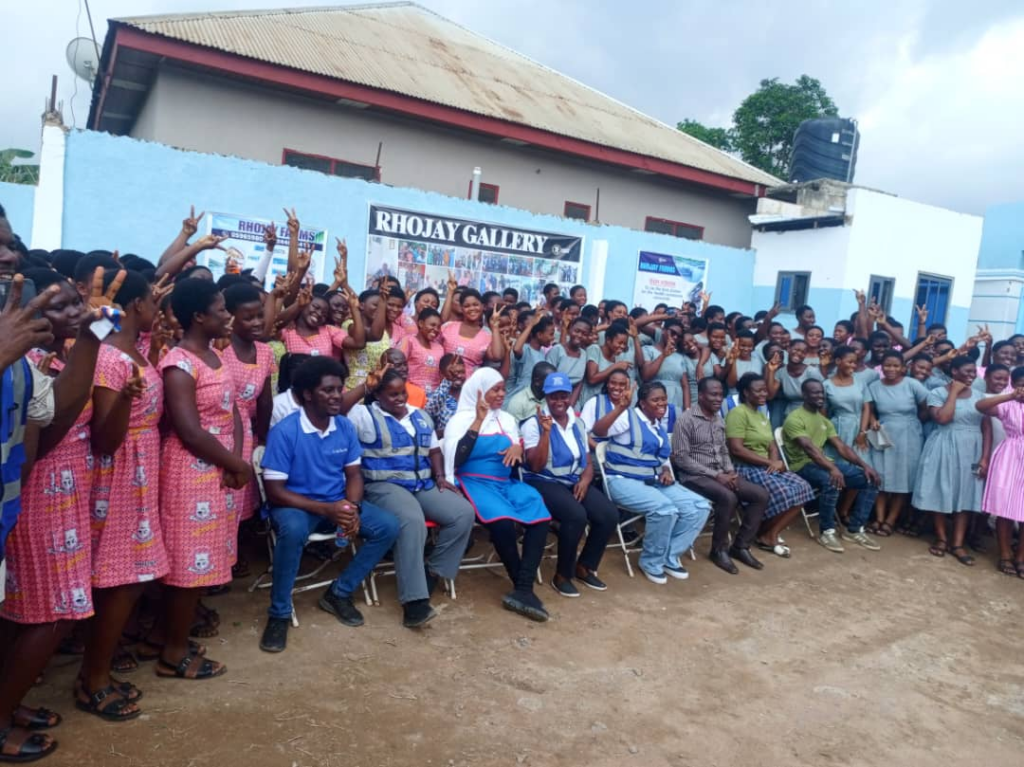
Madam Quarshie said the initiative is aligned with the government’s School Farm Initiative, which encourages schools to use available land for practical agriculture to improve food production, nutrition and reduce feeding costs under the Free SHS programme.
She disclosed that an assessment report from the first phase, involving Toase and Nkawie SHSs, had been submitted to the sector ministry.
According to her, the results were encouraging, with plans underway to provide the participating schools with equipment to establish fish ponds on their campuses.
She said the broader objective was to equip young people with the skills needed to enter the aquaculture value chain, establish businesses and help reduce Ghana’s dependence on imported fish.
Students who participated in the training welcomed the initiative, describing the practical sessions as more beneficial than relying solely on classroom theory.
One student from Simms SHS said the hands-on experience had helped make the concepts easier to understand.
“It has not been easy learning about aquaculture only in textbooks. Coming here to see the ponds, handle the fish, and learn processing has made everything clearer,” the student said.
Teachers who accompanied the students also praised the programme, saying it was helping to bridge the gap between theory and practical learning.
Aidoo Isaac, an agriculture teacher at Adventist Girls SHS, said the practical exposure would make teaching easier and improve students’ understanding.
“For years, our teaching has been mostly theoretical. But with this kind of first-hand training, students can now see, touch, and practise what we teach in class,” he said.
The teachers appealed to the government to provide more equipment, teaching materials and access to demonstration farms for agriculture departments in second-cycle institutions.
They said increased investment in practical agricultural education could encourage more young people to pursue careers in agriculture and agribusiness.
The Fisheries Commission believes that exposing students to aquaculture at an early stage could help develop a new generation of fish farmers capable of strengthening Ghana’s domestic fish production and reducing reliance on imports.
READ:
KMA donates 400 recycled plastic desks to SHSs as part of…