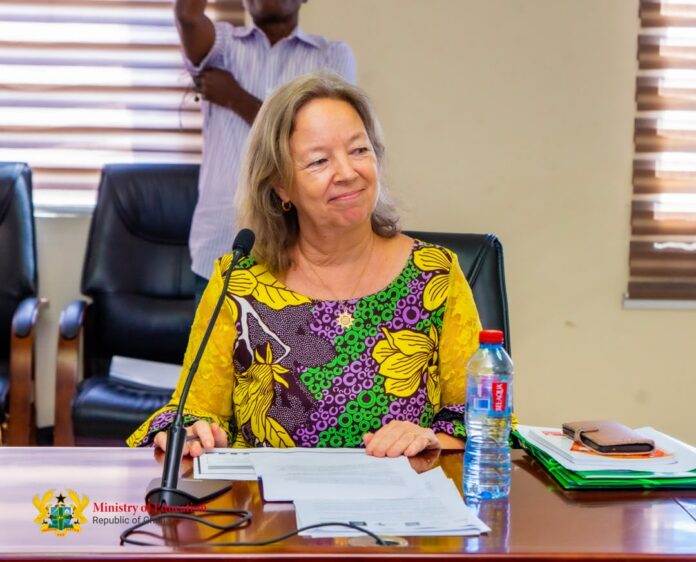

Director of Associates for Change, Dr Leslie Casely-Hayford, has called for innovative and affordable approaches to ensure children in conflict and emergency situations continue to have access to education.
She said children must not be deprived of their fundamental right to education because of conflict, displacement, school closures or the absence of teachers.
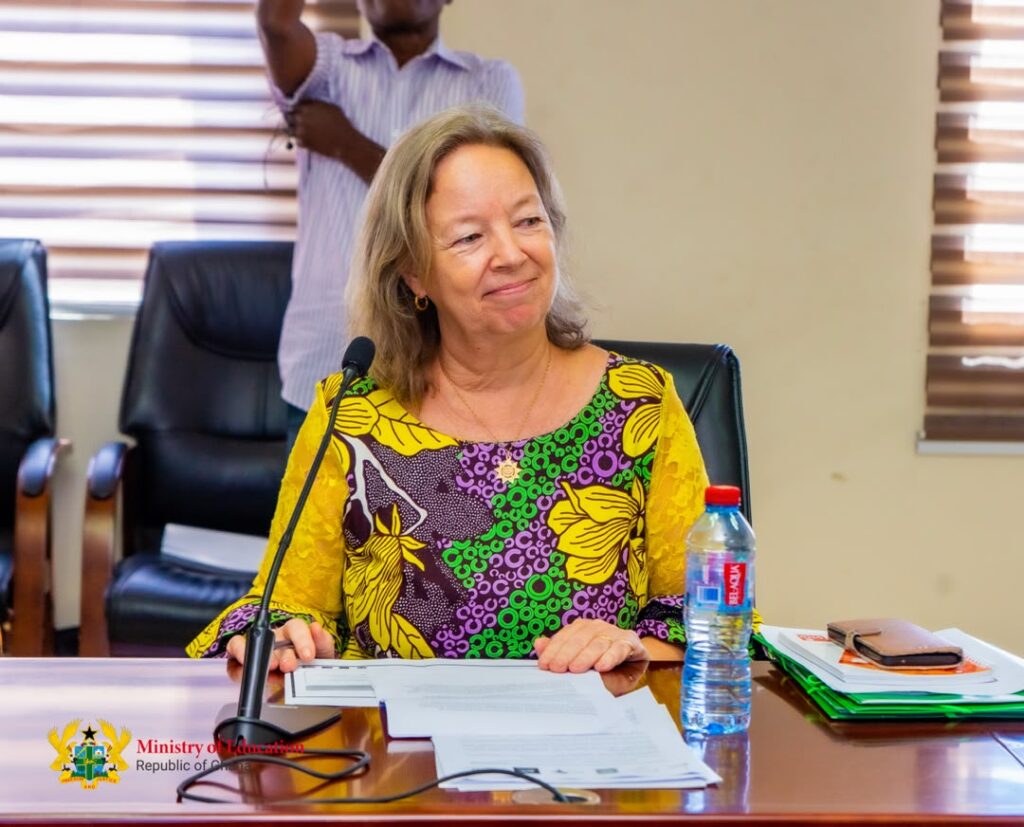
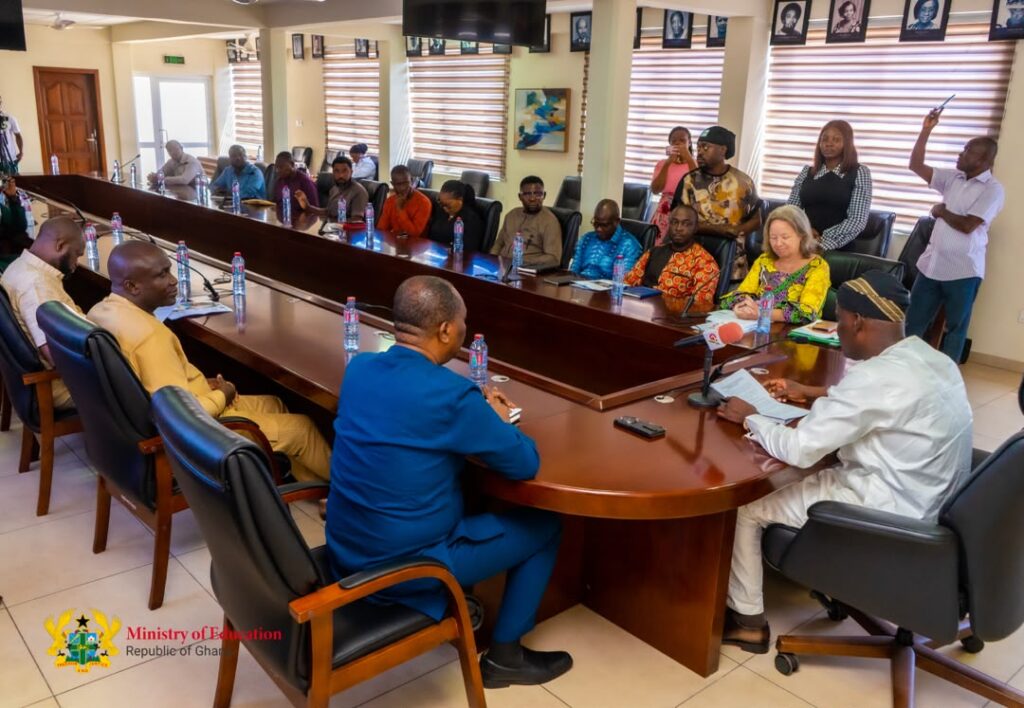
Dr Casely-Hayford made the call ahead of a high-level conference on Education in Emergencies, which will bring together education stakeholders, researchers, innovators, financiers, academics and regional bodies to explore strategies for ensuring continuity of education during crises.
Research into fragile communities
She said Associates for Change had, over the past two to three years, worked with the Global Partnership for Education (GPE) and the International Development Research Centre (IDRC) of Canada to support research, implementation and scaling of education interventions in fragile and conflict-affected areas of West Africa.
The research covers countries including Ghana, Nigeria, Burkina Faso, Liberia and Sierra Leone, where communities have experienced conflict or are facing varying forms of instability.
According to Dr Casely-Hayford, the factors contributing to instability across the sub-region are varied and include land disputes, chieftaincy conflicts, illegal mining and poverty.
She said the research was focused on identifying educational innovations that governments could implement and scale up at relatively low cost, particularly in communities affected by conflict and other emergencies.
“Where do those children go to school when there is conflict? When the teachers have fled? When the schools are closed?”
She said the questions underscored the urgent need for innovative approaches that would allow children to continue learning even when conventional education systems are disrupted.
Education a fundamental right
Dr Casely-Hayford reiterated that education is a fundamental right and that governments and society have a responsibility to create opportunities for every child to access at least basic education, regardless of their circumstances.
Among the innovations being researched is the provision of psychosocial support to teachers at the pre-service level to prepare them for deployment to fragile and conflict-affected communities.
She explained that the training would equip teachers with skills to manage their own psychosocial well-being while also providing appropriate support to children affected by conflict and trauma.
Complementary education
Dr Casely-Hayford also highlighted complementary basic education as another approach being explored.
She cited the “speed schools” model, under which out-of-school children receive mother-tongue literacy and numeracy instruction for a year before transitioning into the formal education system at an appropriate level.
She said Ghana was already implementing complementary basic education through the Complementary Education Agency (CEA), which had received support to reach about 20,000 children this year.
However, she noted that the intervention needed to be significantly expanded, given that more than one million children are currently out of school in Ghana.
Dr Casely-Hayford expressed hope that the high-level conference would generate practical and scalable solutions to strengthen education systems and ensure that children affected by conflicts and other emergencies continue to receive quality education.