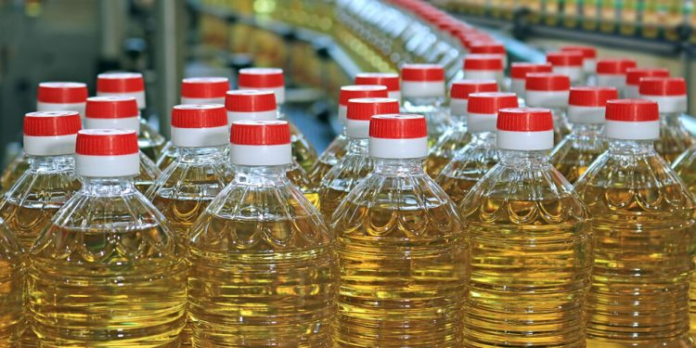

Cooking oil remained Ghana’s largest informal food import during the first nine months of 2025, highlighting the country’s growing reliance on neighbouring markets to meet demand for essential food commodities.
New data from the Ghana Statistical Service’s (GSS) Informal Cross Border Trade Report shows that cooking oil consistently accounted for the largest share of informal food imports between January and September 2025, although its contribution declined slightly over the period.
The trend reflects the increasing role of informal cross-border trade in Ghana’s food supply chain, particularly amid rising food prices and continued reliance on neighbouring countries for basic consumer goods.
According to the report, cooking oil accounted for 16.3 per cent of informal food imports in the first quarter of 2025 before declining to 14.4 per cent by the third quarter. Despite the reduction, it remained the leading food commodity imported through informal trade channels.
Rice followed as one of the most imported food items, accounting for 8.4 per cent of informal food imports in the third quarter, while shea nuts represented seven per cent.
Livestock imports, particularly cattle, recorded a steady decline, with their share falling from 6.9 per cent in the first quarter to 5.5 per cent by the third quarter.
Sugar accounted for 5.7 per cent of informal food imports, while maize remained relatively stable, moving from 4.7 per cent in the first quarter to 5.1 per cent in the second quarter before returning to 4.7 per cent in the third quarter.
Food import deficit doubles
Beyond the commodity figures, the report highlighted a growing dependence on informal imports to satisfy domestic food demand.
Ghana’s informal food trade deficit doubled within the first three quarters of 2025, rising from about GH¢400 million in the first quarter to GH¢800 million by the third quarter.
The increase indicates that the country imported significantly more food products through informal channels than it exported, pointing to persistent supply gaps and continued demand for food items from neighbouring markets.
Non-food trade surplus declines
Meanwhile, Ghana’s informal non-food trade surplus declined during the same period.
The surplus reduced from GH¢1 billion in the first quarter to GH¢800 million by the third quarter, suggesting changes in the structure of informal cross-border trade.
The GSS figures underscore the growing importance of informal trade in Ghana’s food economy and raise concerns about domestic agricultural production, food security and efforts to reduce dependence on imports.
For policymakers, the data highlight the need to strengthen local production and improve agricultural value chains to boost food self-sufficiency.
For consumers, the report shows that informal trade continues to play a key role in ensuring the availability of essential commodities such as cooking oil and rice in markets across the country.
Nduom reacts to Supreme Court suspension of GN Savings and Loans…