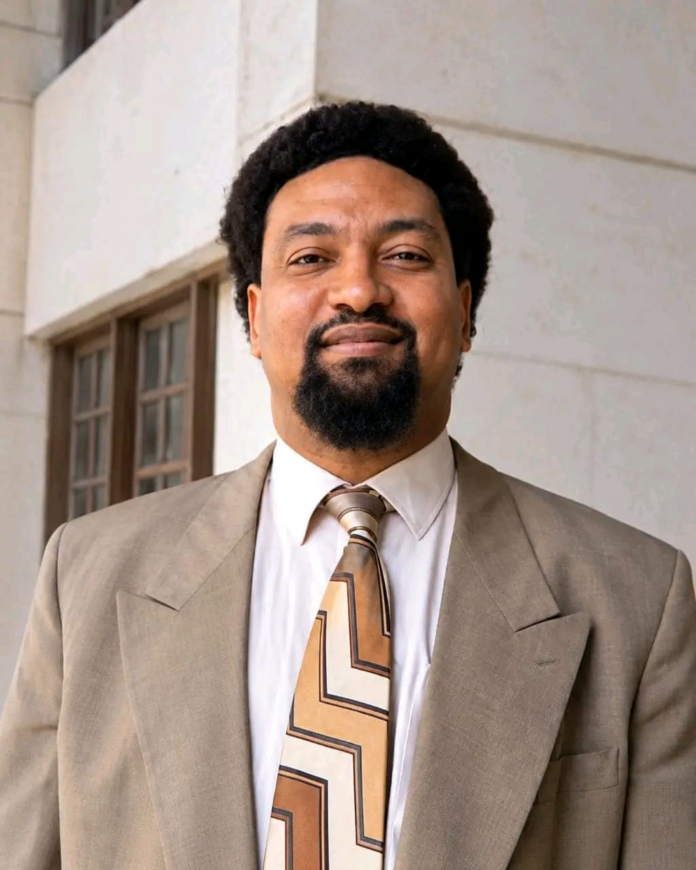

Born into the shadow of one of Africa’s most influential leaders, Gamal Gorkeh Nkrumah spent much of his life telling stories about a continent grappling with power, identity and its place in the world.
The son of Ghana’s first President, Dr Kwame Nkrumah, he carved out his own path as a journalist, writer and intellectual, carrying his interest in African affairs far beyond the country of his birth.
His journey, which took him from Accra to Egypt and into the world of international journalism, came to an end in Cairo on October 14, 2026, at the age of 68, following a prolonged illness.
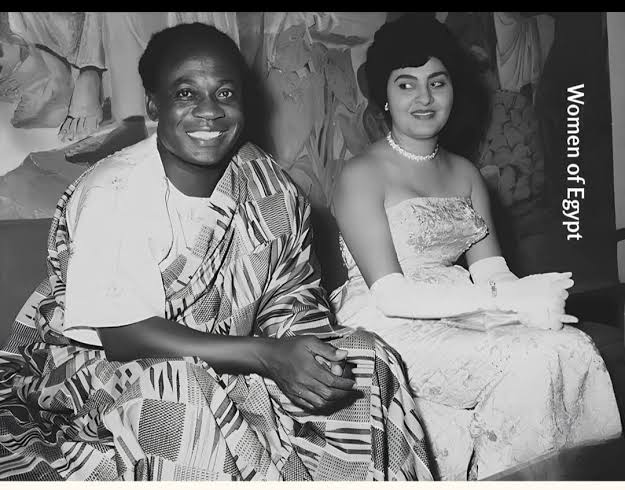
Gamal was born in Accra in 1958 to Kwame Nkrumah and his Egyptian wife, Fathia Nkrumah. His early years unfolded during a defining period in Ghana’s political history, as his father led the country to independence from British colonial rule in 1957 and became a leading voice for Pan-Africanism and the political and economic unity of the continent.
He was named after Gamal Abdel Nasser, the former Egyptian president and a close ally of his father. The name reflected the political and historical connections between Ghana and Egypt, as well as the wider African and Arab solidarity that shaped the period.
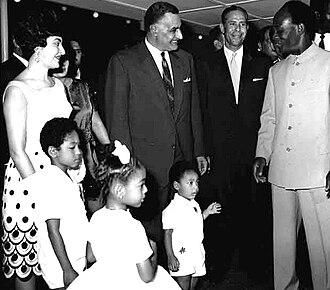
His childhood was disrupted by the military coup that overthrew Kwame Nkrumah’s government in February 1966 while the former president was on a state visit to China. Following the overthrow, Fathia Nkrumah and her children left Ghana and eventually settled in Egypt, where the family continued their lives away from the country their husband and father had led.
Gamal grew up alongside his siblings, Samia and Sekou Nkrumah, with their family history closely linked to Ghana’s independence struggle and the legacy of their father.
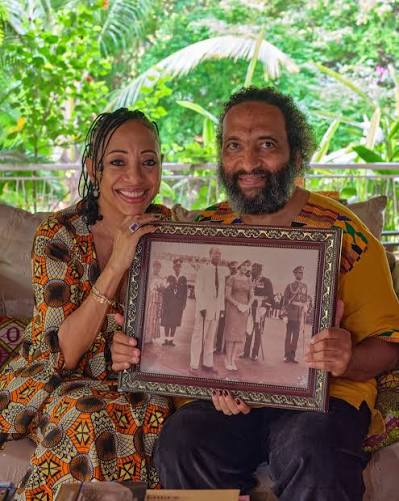
Despite this background, he pursued his own intellectual and professional path. He studied political science at the School of Oriental and African Studies (SOAS), University of London, where he obtained a doctorate. His academic interests and experiences reflected a sustained engagement with African affairs, development and international relations.
He also spent time in Zimbabwe, where he taught development and economics, before establishing himself in journalism. His work eventually took him to Egypt, where he became a prominent member of the editorial team at Al-Ahram Weekly, one of the country’s leading English-language publications.
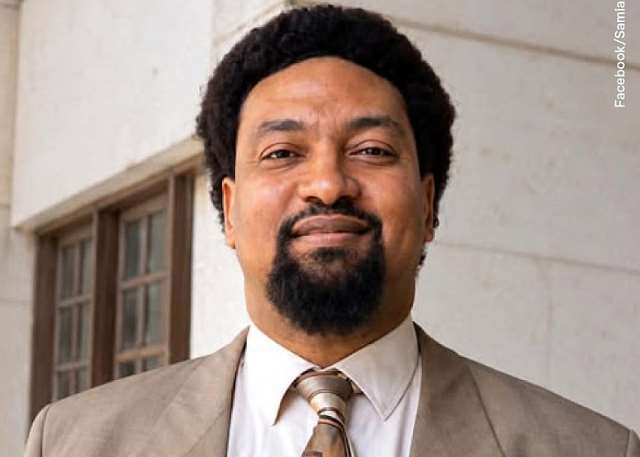
Gamal served as the newspaper’s international affairs editor and spent more than three decades covering African and global developments. Through his writing, he examined political change, international relations and the challenges confronting African countries, bringing a perspective shaped by his academic background and personal connection to the continent’s history.
His work at Al-Ahram Weekly earned him recognition as a journalist who took African affairs seriously and understood their place within broader global developments. He used his platform to explore questions of governance, development, sovereignty and the pursuit of greater unity among African nations.
His professional identity was distinct from his father’s political career, but the themes that shaped Kwame Nkrumah’s public life remained relevant to Gamal’s intellectual interests. Pan-Africanism, African dignity and international solidarity were recurring concerns in the broader tradition to which his work belonged.
Gamal maintained a relatively private personal life. He was married to an Egyptian woman and had two children. While his family background attracted public interest, much of his adult life was spent away from the political spotlight in Ghana, focused on journalism, scholarship and international affairs.
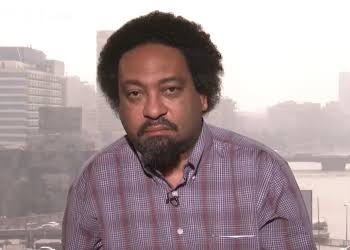
His death has brought renewed attention to the Nkrumah family and the enduring influence of Ghana’s first president, whose political vision extended beyond the country’s borders. For Gamal, that legacy was not only a matter of family history but also a point of reference for his work and his understanding of Africa’s place in the world.
After a prolonged illness, he died in Cairo on October 14, 2026, following a period of medical care and rehabilitation after a stroke. In announcing his passing, the family paid tribute to his commitment to justice, human dignity, African unity and international solidarity. They have indicated that further details concerning memorial arrangements will be communicated in due course.
Gamal is expected to be buried in Egypt on Saturday, October 17, 2026.
His death marks the end of a life spent navigating the intersection of family history, African politics and international journalism. While he carried the name of one of the continent’s most influential leaders, he also established a professional legacy of his own through decades of writing and engagement with the issues shaping Africa and the wider world.