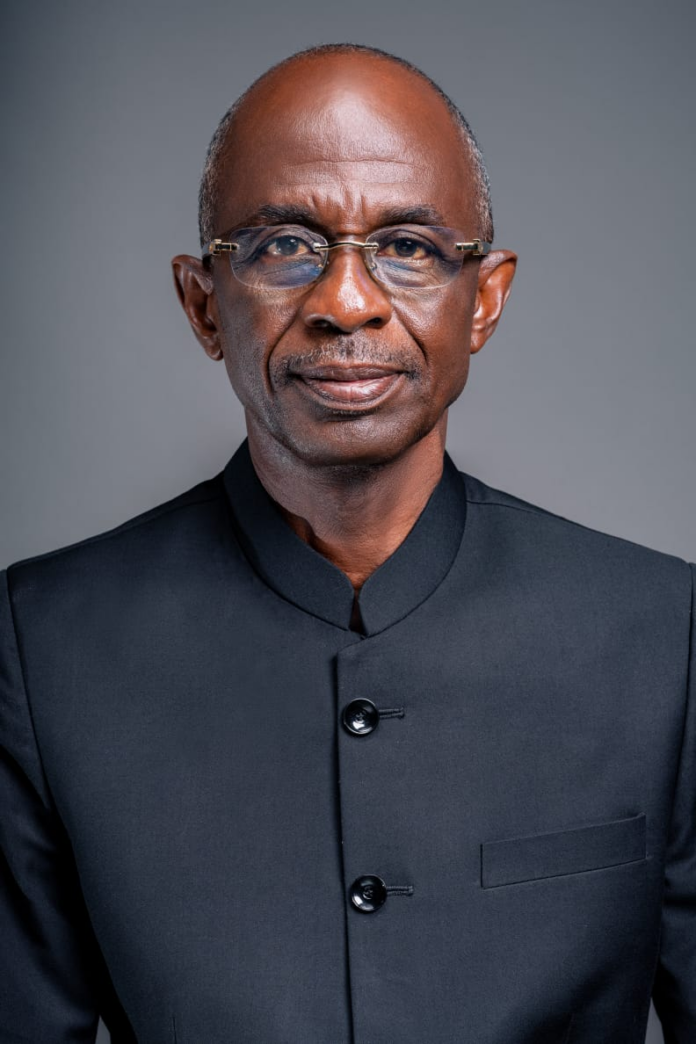

National Chairman of the National Democratic Congress (NDC), Johnson Asiedu Nketia, has called for greater investment in media institutions to enable journalists to uphold professional standards and maintain their independence.
Speaking at the 4th Bono Regional Ghana Journalists Association (GJA) Awards in Sunyani, Mr Asiedu Nketia said media organisations need adequate resources to recruit and retain competent journalists, undertake investigative reporting and maintain effective newsrooms, particularly in the regions.
He said journalists must be given the opportunity to build sustainable careers without becoming financially dependent on politicians, businesses or institutions they are expected to scrutinise.
“If we want high professional standards, the sustainability of serious journalism deserves attention as well,” he said.
Mr Asiedu Nketia noted that the quality of journalism is closely linked to the working conditions and resources available to media practitioners.
He said media organisations require the capacity to verify information, conduct investigations and maintain professional newsrooms beyond Accra.
Regional journalism
The NDC Chairman also stressed the importance of regional journalism to Ghana’s democracy and development, arguing that the national conversation should not be overly concentrated in the capital.
He cited the activities of farmers in Dormaa, businesses in Berekum and young people seeking employment in Wenchi as examples of issues that form an important part of Ghana’s national story.
According to him, developments involving district hospitals, schools, roads and district assembly expenditure may not always emerge from press conferences but remain matters of significant public interest.
He therefore urged journalists to go beyond official statements and investigate issues within communities, markets, farms, schools, hospitals and public records.
Politicians must accept scrutiny
Mr Asiedu Nketia also called on politicians to create an environment in which journalists can ask difficult questions without such inquiries automatically being interpreted as hostility.
He said politicians should not demand accuracy from journalists while withholding information required for accurate reporting.
He further urged public officials to accept difficult questions, noting that such scrutiny could bring to light issues that people within their immediate circles might be unwilling to raise.
Protect professional reputation
Mr Asiedu Nketia congratulated the journalists who received awards and encouraged them to protect the professional reputations they build throughout their careers.
He said the public eventually recognises journalists who verify facts, understand their subjects and remain trustworthy, particularly when reporting on politically sensitive issues.
He described professional reputation as an asset built over many years and urged the award winners and other media practitioners to guard it carefully.