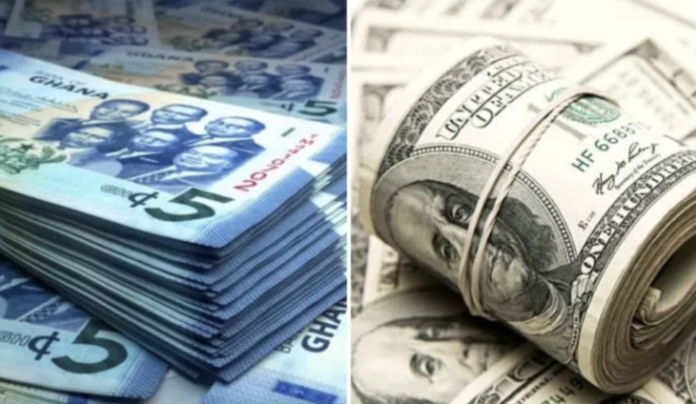

The Ghana cedi is facing renewed pressure against the US dollar, recording its second monthly depreciation since May as demand for foreign exchange continues to rise.
Market data and price quotes from several commercial banks show that the cedi depreciated by 1.86% in July, after appreciating by 3.30% against the dollar in June.
The June gain was largely attributed to increased foreign exchange support from the Bank of Ghana, which injected $2.01 billion into the market to meet demand and support stability.
However, the pressure returned in July, driven largely by increased demand for dollars to finance energy imports.
The situation has persisted into August. Market data show the cedi has recorded week-to-date and month-to-date depreciations of 0.52% and 1.66%, respectively. On a year-to-date basis, the cedi has depreciated by 8.06%.
Christmas Imports Add to Dollar Demand
The latest pressure is being linked to increased demand for dollars by businesses preparing for the December Christmas shopping season.
Market watchers have told JOYBUSINESS that the demand could remain elevated as businesses increase imports ahead of the festive season.
The pressure has also been compounded by crude oil prices and their impact on the amount of foreign exchange required to finance energy imports.
BoG Expects Cedi to Stabilise
The Bank of Ghana, however, has described the latest movements as normal market developments and maintains that the cedi is expected to remain relatively stable for the rest of 2026.
In its July Monetary Policy Report, the central bank said renewed foreign exchange demand ahead of the Christmas season could create pressure but expressed confidence in its ability to manage the situation.
“Over the medium term, the Ghana cedi is expected to remain relatively stable,” the Bank stated.
It added that foreign exchange interventions and remittance inflows would help ease pressure on the currency.
“FX intermediation is expected to moderate the pressures on the cedi, along with remittance flows,” it added.
The Bank of Ghana is expected to supply about US$500 million to the market in September through its foreign exchange intermediation programme.
The Ghana Gold Board is also expected to provide additional support, targeting US$1.4 billion in foreign exchange receipts during the month.
Of this amount, US$700 million is expected to be made available to commercial banks through spot sales and funded forward arrangements.
The remaining US$700 million is expected to be provided to the Bank of Ghana for reserve accumulation under the Ghana Accelerated National Reserve Accumulation Policy (GANRAP).
The central bank has also assured the market that it remains prepared to intervene when necessary to maintain orderly market conditions while allowing the exchange rate to remain flexible.
Also read: