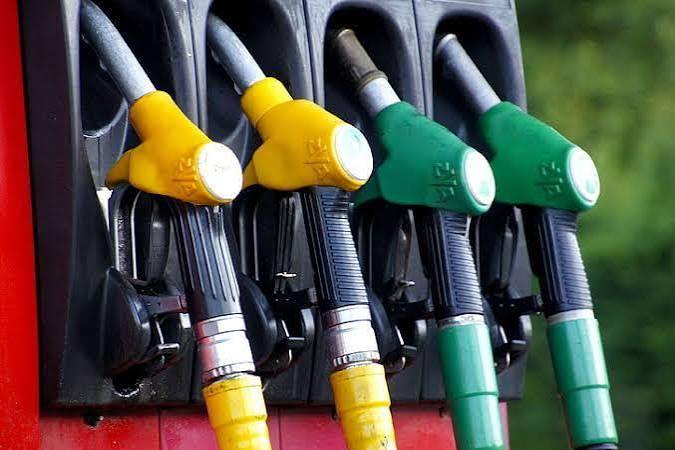

The Chamber of Oil Marketing Companies (COMAC) is pushing for further government intervention to cushion petrol users, saying a reduction of at least GH¢1 per litre would offer relief similar to what diesel consumers are currently enjoying.
The Chief Executive Officer of COMAC, Dr Riverson Oppong, made the call while speaking on Citi FM’s Eyewitness News on Monday, August 31, 2026.
He said government’s decision to support diesel was justified given its direct impact on commercial transport and industry, but argued that petrol users deserve similar consideration.
“But yes, I mean, at least one Cedi would have helped, right? To also relieve those of us who are on petrol,” he said.
Government’s current intervention on diesel involves a GH¢2 per litre cut in the regulatory margin. Dr Oppong said extending a similar cushion to petrol, even temporarily, would go a long way in easing the burden on consumers.
“If government can say, if this extra one is added, can I take it off for this time being? That would be brilliant. I mean, very applaudable,” he said.
He acknowledged, however, that such a decision would have to be weighed against government’s revenue needs, noting that taxes are unlikely to be touched given how heavily government depends on them.
“We understand that there is too much demand on government revenue. So, they cannot touch government taxes. That’s what I know. So, that’s for the government to decide,” he said.
His comments come as COMAC’s latest pricing outlook projects petrol and diesel prices will rise by 4.80% and 2.10% respectively from 1 September.
Dr Oppong attributed the increases mainly to rising international petroleum prices, despite the Cedi’s recent appreciation. He explained that even though the Cedi has strengthened by about 30%, petrol prices on the world market rose by roughly 8% and diesel by 6%, and local pump prices remain tied to those international benchmarks.
“Every refinery will trade with the benchmark price. Other than that, then there’s no economics,” he said.
He said government now has to decide whether to extend its fuel relief measures to petrol users as they brace for the coming increase, maintaining that even a modest reduction would help soften the impact.