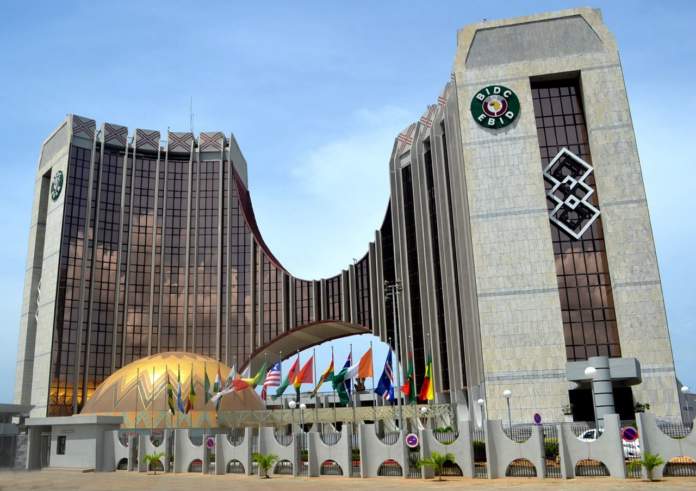

The ECOWAS Bank for Investment and Development (EBID) has secured a major credit rating upgrade from Moody’s Ratings, with the international agency raising the bank’s long-term issuer rating from B2 to B1 with a stable outlook.
The upgrade, announced on August 14, 2026, is being described as a strong endorsement of EBID’s improving financial position, resilience and growing role as a development finance institution in West Africa.
According to Moody’s, EBID’s sound solvency, moderate capitalisation and resilient asset quality were key factors behind the upgrade, despite the bank’s continued expansion of its lending operations.
The rating agency also highlighted EBID’s efforts to diversify its funding sources and maintain strong shareholder support through continued paid-in capital contributions and strategic partnerships.
The upgrade marks another step in EBID’s stated ambition of achieving investment-grade status and improving its access to international capital markets on more competitive terms.
A major development supporting the bank’s financial position was the entry of the African Development Bank (AfDB) as EBID’s first institutional shareholder, following approval in June 2026.
The partnership is expected to strengthen EBID’s capital base and governance while enhancing its ability to mobilise resources for development projects across West Africa.
President and Chairman of EBID’s Board of Directors, Dr George Agyekum Donkor, said the rating upgrade reflected the progress the bank had made in strengthening its financial and institutional foundations.
“This upgrade is a clear recognition of the progress EBID has made in strengthening its financial foundation and institutional capacity,” he said.
He said the development demonstrated growing confidence in EBID from its shareholders, development partners and the international community.
“We are demonstrating that a regional development bank can be both ambitious and resilient, and that West Africa has a credible, effective institution ready to lead its development agenda,” Dr Donkor added.
The upgrade comes as EBID implements its Growth, Resilience and Optimisation (GRO) Strategy 2026–2030, a five-year plan focused on infrastructure development, renewable energy financing, private-sector growth and climate resilience.
EBID said it has in recent weeks accelerated strategic operations in infrastructure, healthcare and energy, with projects aimed at improving electricity access, creating jobs and supporting sustainable economic growth across the subregion.