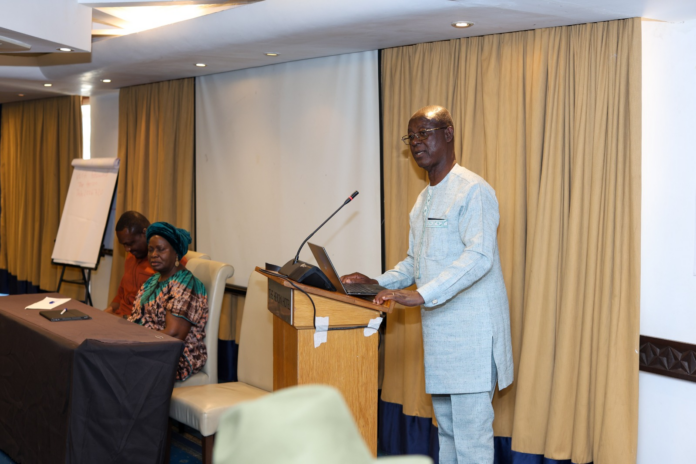

African trade union leaders and climate negotiators have gathered in Nairobi, Kenya, for a three-day summit to develop a unified continental position on energy sovereignty and green industrialisation ahead of the COP31 climate negotiations.
The Second New Energy for Africa Convening aims to ensure that the voices of African workers are reflected in the continent’s climate agenda.
Opening the meeting, Deputy President of ITUC-Africa, Rose Omamo, stressed that Africa’s transition to a low-carbon economy must be anchored in social equity.
She said the labour movement’s “Reclaim and Restore” campaign views energy as a fundamental right rather than a market commodity.
“Energy is a public good,” Omamo said. “It should not be treated only as a commodity for those who can afford it. We call for public and democratic control of Africa’s energy systems so that they can provide reliable and affordable energy to our people.”
Omamo also expressed concern over the growing global demand for Africa’s critical minerals, including lithium and cobalt, which are essential for renewable energy technologies.
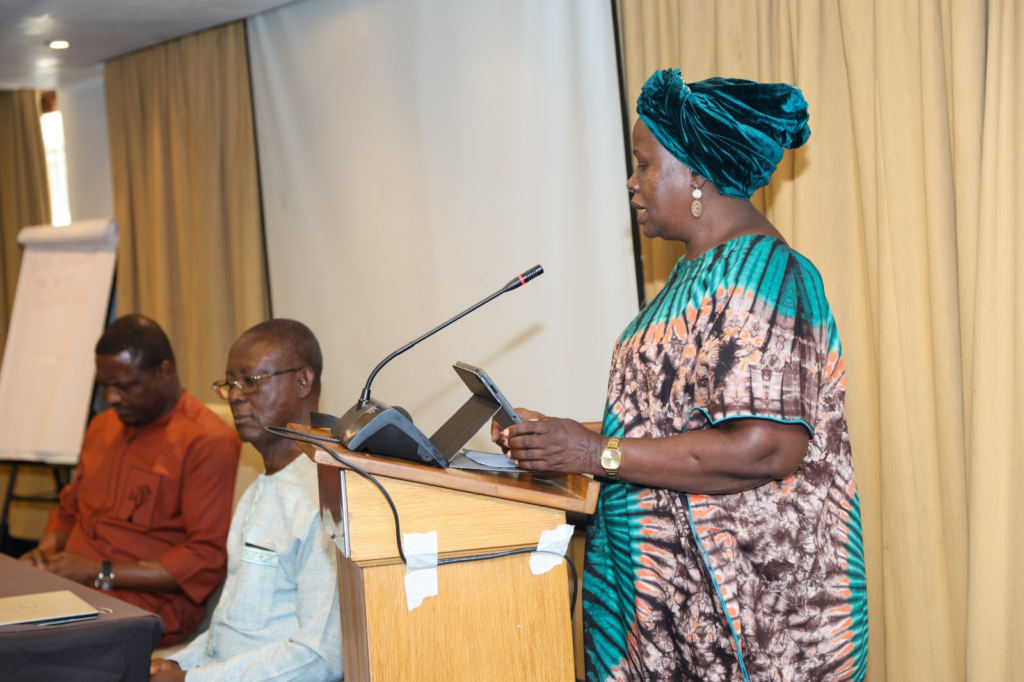
She cautioned against repeating the continent’s historical pattern of exporting raw materials only to import expensive finished products.
“Africa must not repeat the experience of exporting raw materials and later importing expensive finished products,” she said, urging governments to ensure the resources support local manufacturing and decent jobs.
Speaking on behalf of the Chair of the African Group of Negotiators (AGN), Dr. Nana Antwi-Boasiako Amoah, Dr. George Manful highlighted the unequal distribution of global climate finance despite Africa’s vast renewable energy potential.
“This imbalance must be corrected if the transition is to support Africa’s development rather than reproduce existing patterns of dependence, extraction and inequality,” the AGN Chair’s statement said.
The statement also argued that the success of a just energy transition should not be judged only by technical achievements.
“A just transition cannot be measured solely by installed megawatts, emissions reductions or new electricity connections,” it stated. “It must also be measured by the quality of jobs created, affordability of energy, protection of workers, and the capacity of African countries to retain value from their natural resources.”
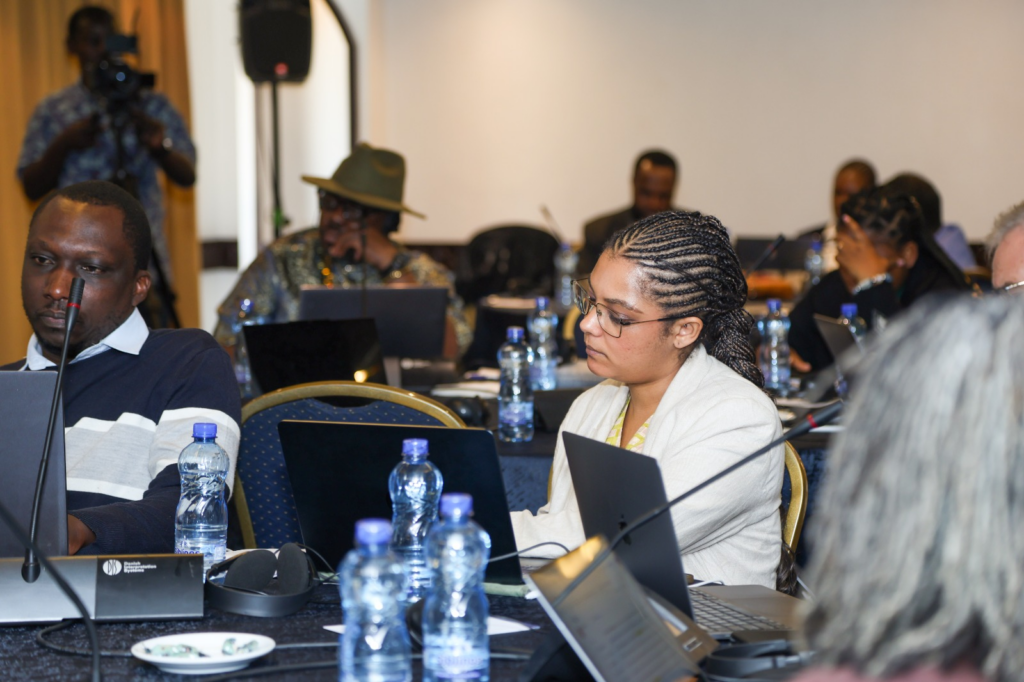
A key objective of the Nairobi meeting is to strengthen collaboration between organised labour and the African Group of Negotiators to ensure workers’ rights, job security and social protection are incorporated into Africa’s negotiating position for COP31 in Antalya.
With more than 600 million Africans still lacking access to electricity, participants agreed that initiatives such as “Mission 300” should focus not only on expanding electricity access but also on promoting local industrialisation and skills development.
“Workers must be at the centre of the energy transition,” Omamo said. “They cannot be treated as observers or invited only after policies and investment decisions have been finalised.”
One dead, six injured after communal clashes in Sagnarigu Municipality; curfew imposed
AAC secures 750 acres of irrigated land for vegetable production under…