
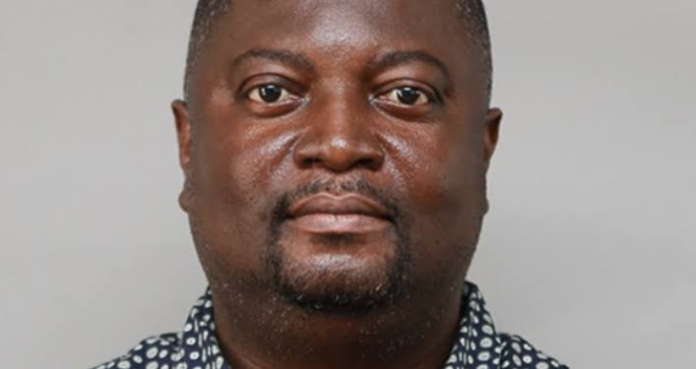

The Executive Director of the African Institute of Strategic Studies, Dr Jonathan Asante-Otchere, has described the legal challenge over the prosecutorial powers of the Office of the Special Prosecutor (OSP) as an unnecessary dispute largely fuelled by institutional rivalry rather than genuine constitutional uncertainty.
According to him, the controversy surrounding the respective roles of the OSP and the Office of the Attorney General could have been avoided through stronger collaboration and coordination between the two state institutions.
Speaking on The Big Issue on Channel One TV on Saturday, August 1, Dr Asante-Otchere said both offices share a common objective of protecting the public interest, safeguarding state resources and ensuring accountability in corruption-related matters.
He argued that the focus should be on cooperation rather than competition, as both institutions are working towards the same national interest.
“If you do not have an OSP that is coordinating with the Attorney General, not necessarily being subservient to that office, but there is the need for that coordination because we are fighting the same battle, and what is that battle? To ensure that the state does not lose out in terms of resources and finances,” he said.
“We are on the same page because we are all prosecuting and fighting for a common good, and so there is that need for coordination. In actual fact, there was no need for the Supreme Court’s interpretation; I think it was just an ego clash.”
His comments follow the Supreme Court’s ruling on the prosecutorial powers of the Office of the Special Prosecutor.
The apex court held that while the OSP has the legal authority to prosecute criminal cases within its mandate, the Attorney General retains constitutional powers to discontinue or terminate prosecutions at any stage of proceedings.
Dr Asante-Otchere maintained that closer institutional cooperation would help strengthen Ghana’s fight against corruption and prevent unnecessary legal conflicts between state agencies.
Oliver Barker-Vormawor demands broader state support for party primaries