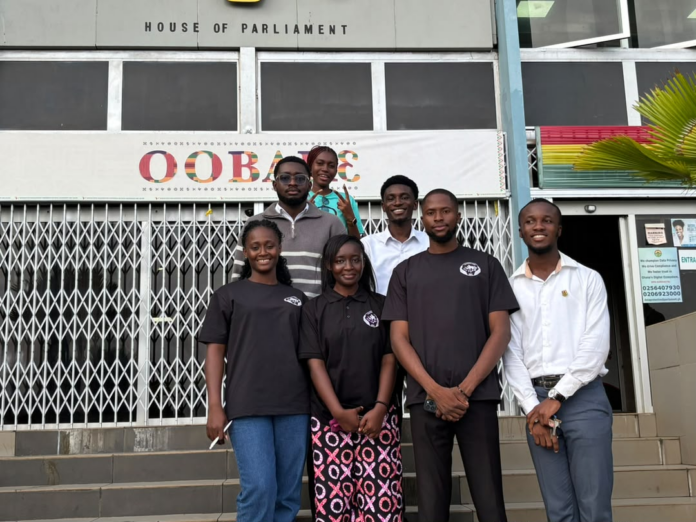

Humane Futures, a student-led organisation, has intensified its advocacy for animal welfare and sustainable food systems by engaging Ghana’s Parliament to consider laws that protect animals and promote sustainable agricultural practices.
Following an initial visit to Parliament, the group has officially submitted a policy brief on animal welfare to the House’s Select Committees on Climate, Food and Agriculture, Environment, and Health.
Key among the recommendations presented to the committees was support for the implementation of Ghana’s newly developed National Poultry Welfare Standard (GS 1404:2026) and the modernisation of the country’s animal welfare legislation to reflect contemporary agricultural practices.
The organisation also called for the integration of humane, plant-forward food systems into national agricultural policies to improve food security, attract innovation, and promote sustainable economic growth.
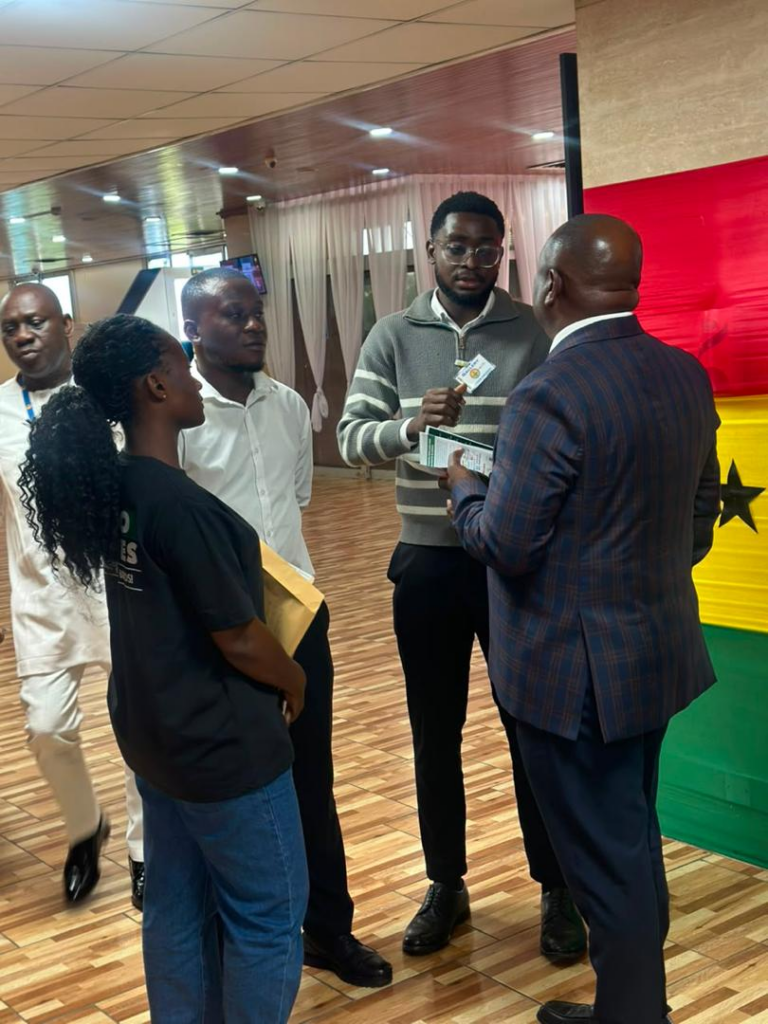
The policy brief highlighted the growing network of organisations advancing humane and sustainable food systems in Ghana, including the Animal Welfare League (AWL), SHARED Africa, AWASH (Aquatic Welfare for African Sustainability and Health), and the Root Alliance.
These initiatives, the group noted, demonstrate that animal welfare and sustainable food systems are becoming areas of increasing collaboration across the country.
Speaking after the visit, Co-founder of Humane Futures, Audrey Atampoka Ayambire, said meaningful policy change requires sustained engagement rather than one-off meetings.
“Our objective is to build constructive relationships with policymakers and initiate conversations on how Ghana can strengthen its food system while improving outcomes for public health, environmental sustainability, and animal welfare,” she said.
The submission was made by the organisation alongside volunteer students, veterinarians, researchers, and animal welfare advocates during Ghana’s first Parliamentary Lobby Day dedicated to advancing food system reforms and animal welfare standards.
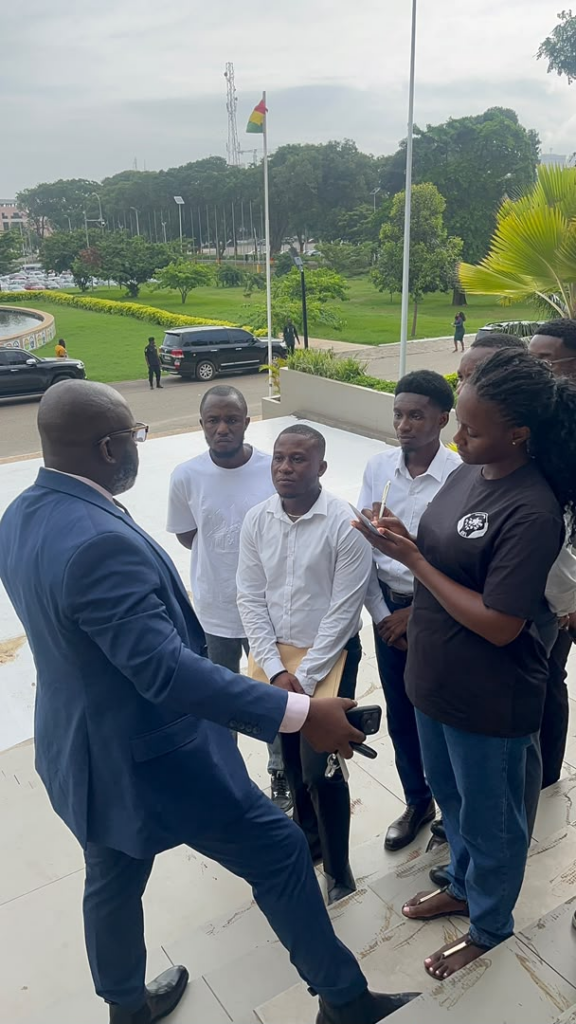
The lobby day provided the group an opportunity to familiarise itself with parliamentary procedures and begin building relationships with lawmakers.
During the engagements, some Members of Parliament encouraged the organisation to maintain communication with interested legislators and submit a formal petition to the Speaker of Parliament to facilitate broader institutional discussions.
Another Co-founder, Maxwell Asampana, described the engagement as a significant milestone in opening dialogue with Parliament and working with policymakers to explore practical solutions for Ghana’s agricultural future.
“The organisation is now meeting individual parliamentarians, government agencies, researchers, financial institutions, civil society organisations, and industry stakeholders as it develops evidence-based policy recommendations for Ghana’s food system,” he said.
Mid-Year Budget: Your sacrifice was not in vain – Ato Forson…
2026 mid-year budget review: Govt developing 1,200MW power plant to cut…