
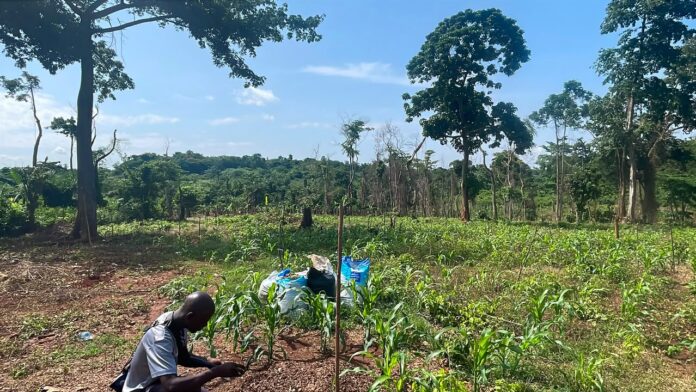

Ghana Water Limited (GWL) has raised alarm over the alarming rate of forest degradation around the Barekese Dam in Kumasi, revealing that more than 50% of the water body’s surrounding forest cover has been lost.
According to the company, the situation is being driven by heavy encroachment on the dam’s buffer zones, which has led to significant soil erosion and increased siltation. As a result, the reservoir’s capacity has reportedly been reduced by nearly 30%.
The Barekese Dam, which supplies water to thousands of households in the Greater Kumasi metropolis and produces over 22 million gallons daily, has a design capacity of 33.75 million cubic metres. However, GWL warns that continued degradation could severely undermine its ability to meet growing water demand.
Illegal logging, indiscriminate farming practices, bush burning, sand winning, and rapid settlement expansion have all been identified as major contributors to the destruction of the catchment area. Ghana Water Limited estimates that about 50% of the forest cover around the dam had already been lost as of 2022.
The environmental damage has resulted in increased soil erosion, heavy sedimentation of water bodies, and declining raw water quality due to high turbidity and eutrophication—an excessive nutrient build-up that triggers abnormal plant and algae growth.
The Chief Manager of the Ashanti Production Region of Ghana Water Limited, Dr. Hanson Mensah Akutteh, warned that urgent intervention is needed to prevent a looming water crisis.
“There’s a whole load of silt that runs from the degraded lands into the river where we abstract. We’ve silted almost 30%. If we don’t do something now, a time will come when we wouldn’t have the water available at all,” he cautioned.
In response, Ghana Water Limited, in collaboration with the Forestry Commission and the Atwima Nwabiagya South District Assembly, has undertaken a tree-planting exercise aimed at restoring the forest cover, protecting the catchment area, and safeguarding water supply to the Greater Kumasi metropolis.
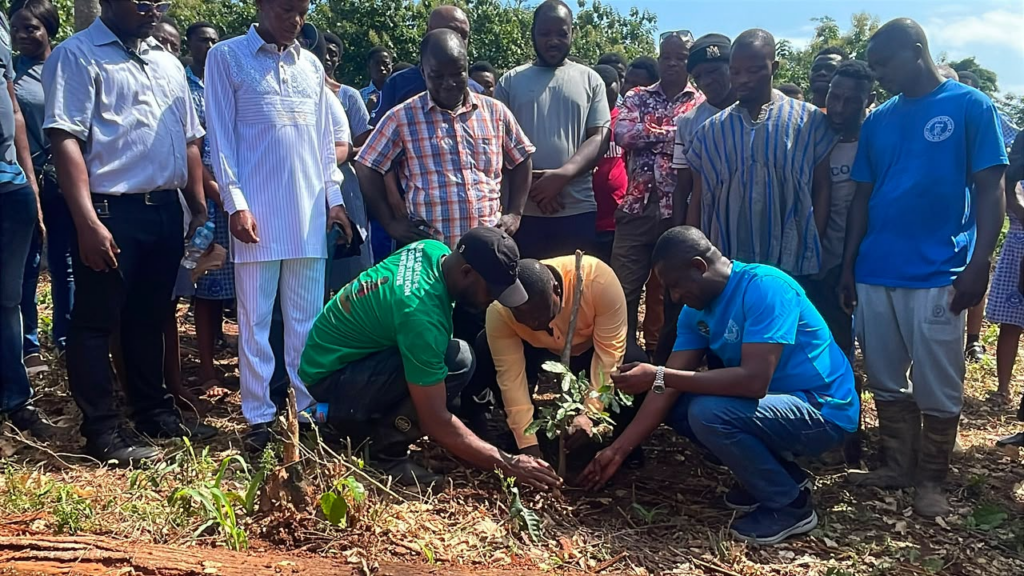
Staff of the company, the assembly and students of the Barekese SHS planted over 5,000 seedlings on one of the degraded lands.
Three tree species, specifically Khaya anthoteca (Mahogany), Cedrela odorata (Cedrela), and Terminalia superba (Ofram) were planted to improve the forest cover and protect the water body.
“This forest reduces evaporation, acts as natural filters to improve water quality and reduces burden on treatment facilities. Restoring forest cover enhances climate resilience as the trees regulate local temperatures, improve rainfall patterns and reduce risks associated with droughts and flooding,” Dr. Akutteh noted.
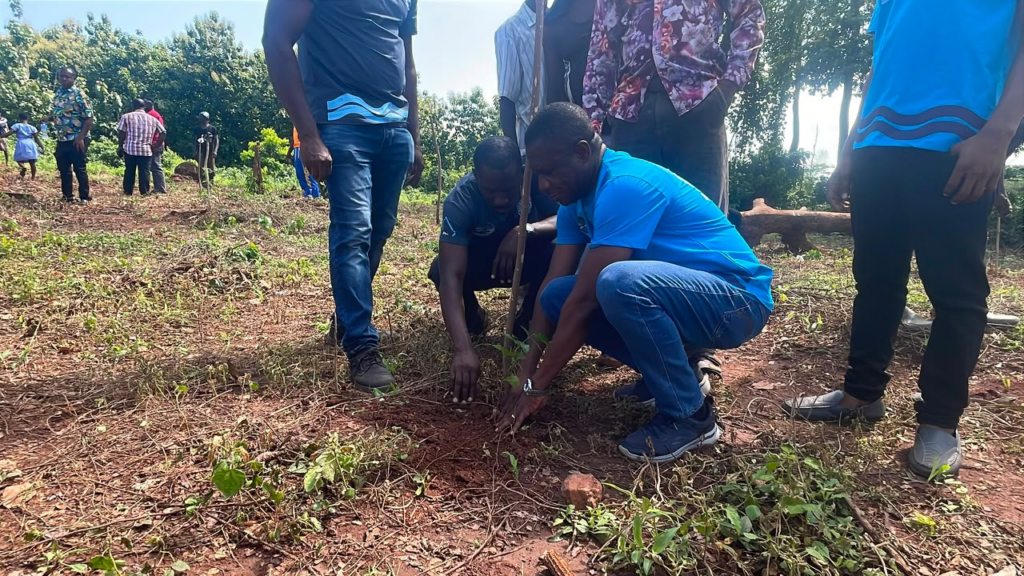
The exercise forms part of the national tree planting awareness month as Ghana works to regain its degraded forest cover and grow resilient to climate change.
Manager for Nkawie district of the Forestry Commission, Abraham Essel, highlighted the importance of safeguarding the ecosystem around the water.
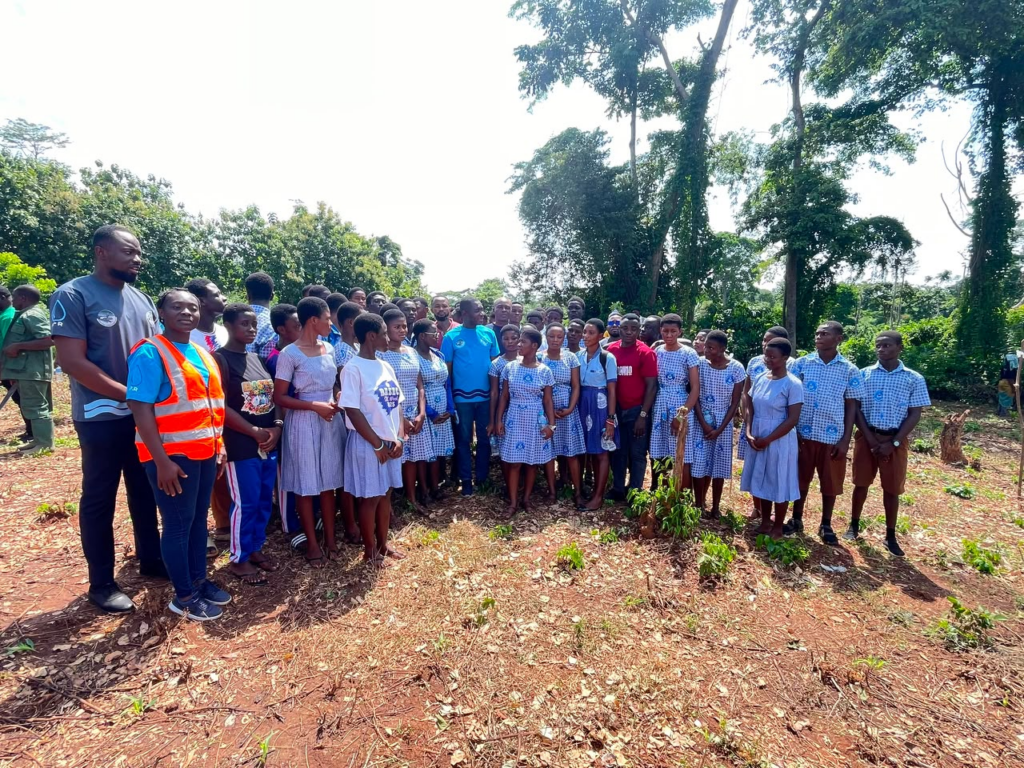
“Protecting the catchment is not the responsibility of one institution alone. Every tree planted today is an investment in clean water, healthier communities and sustainable future. Through this, we are safeguarding water security, protecting livelihoods and contributing to national development,” he said.
READ ALSO:
MMDAs to receive over 80% of Common Fund directly — Chief of Staff
High Court refuses OSP’s application to stay ruling halting independent prosecutions
