
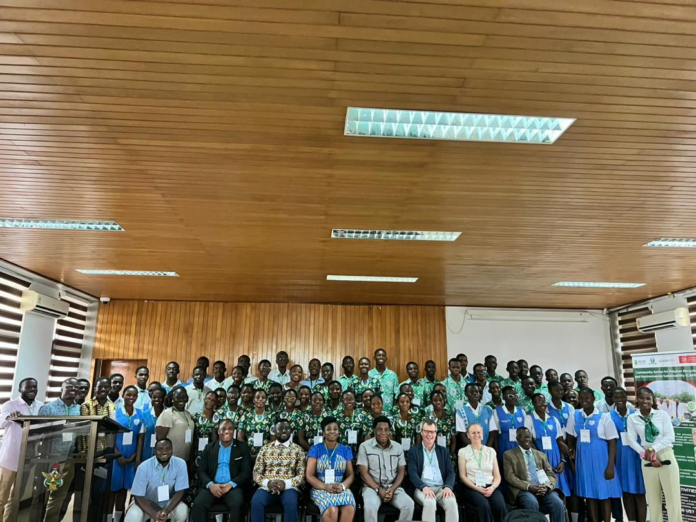

The Kwame Nkrumah University of Science and Technology (KNUST), in partnership with the Technical University of Braunschweig (TUB), Germany, has intensified efforts to tackle Ghana’s growing waste management challenges through innovative textile and plastic recycling solutions.
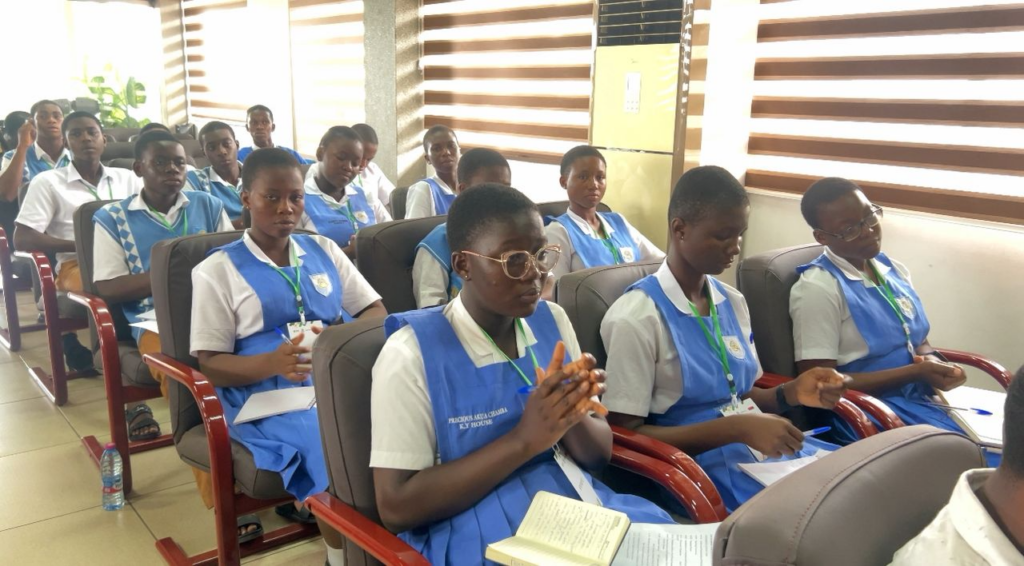
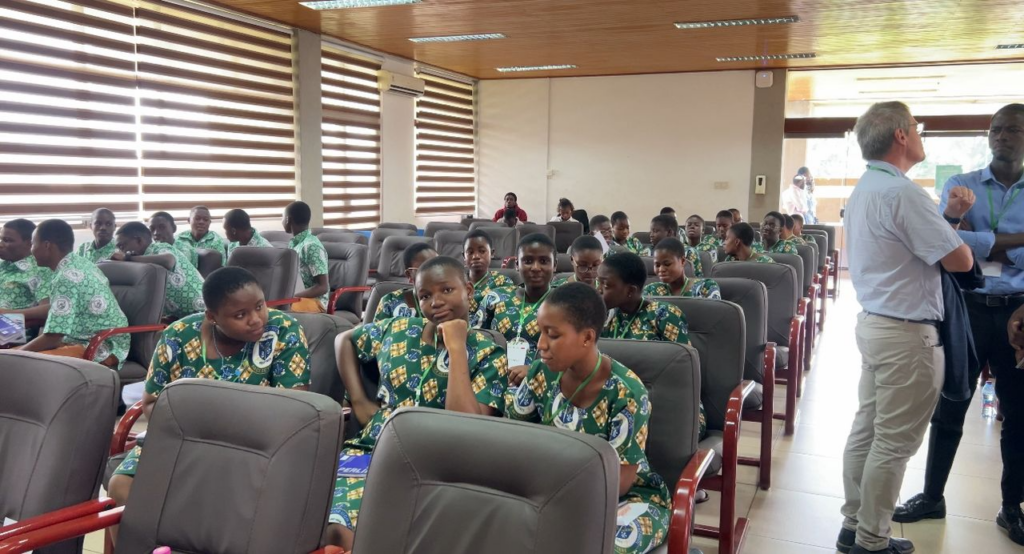
At the German African Innovation Incentive Award (GAIIA) Stakeholder Workshop held at KNUST, researchers, industry players, policymakers, students, and environmental stakeholders explored practical approaches to sustainable waste management and recycling.
Co-Principal Investigator of the project, Professor Johannes Awudza, underscored the urgent need for public education and collective action in addressing plastic pollution.
He explained that the initiative seeks to increase awareness of the environmental impact of plastic waste while drawing on laboratory findings and global research to develop sustainable management strategies.
According to him, waste management should be viewed as a shared responsibility rather than a task for government alone.
“The flooding that we see, we’re all responsible. And because of that, individuals, each one of us, will have to take it upon ourselves to ensure that the waste around us is managed properly,” he said.
Professor Awudza advocated waste segregation at source, urging households and institutions to separate plastics from biodegradable waste to improve collection and recycling efficiency.
He also called for incentive-based programmes that reward people for returning plastic bottles and sachet waste.
“Managing them means we segregate them so that the plastics are in one container or are kept separately and the non-plastics are put separately. Municipal assemblies should also put up programmes to allow people to bring their waste and receive some incentives,” he asserted.
Professor Dr. Ing. Stephan Scholl, Professor of Chemical and Thermal Process Engineering at TUB, presented findings on polyethylene terephthalate (PET) textile waste recycling using revolPET technology and expressed optimism about the future of plastic and textile recycling in Ghana.
He noted that while awareness of plastic pollution is growing, more education is needed on the project’s objectives.
He commended KNUST researchers for actively engaging students and stakeholders in discussions on sustainable waste management.
Professor Scholl further revealed plans to secure additional funding within the next five years to establish a pilot recycling facility at KNUST or in collaboration with recycling firms such as Kumasi Compost and Recycling Plant Limited.
The long-term goal, he said, is to build a value chain that converts waste into useful products while creating economic opportunities.
“We want to establish a value chain that translates today’s waste into future value products and generates additional revenue for the people here in Ghana,” he said.
Addressing the issue of recurring floods, Professor Scholl identified poor plastic waste disposal as a key factor behind blocked drainage systems and recommended a refund scheme for plastic bottles similar to those implemented in Germany.
“For each plastic bottle returned, people receive a small refund. That automatically prevents bottles from ending up in the environment and also creates jobs for people who collect them,” he explained.
He further encouraged strengthening Ghana’s informal waste collection sector through collection, sorting, and processing centres capable of transforming plastic waste into marketable materials.
Representing the Provost of the College of Science, Professor Joseph Ackora-Prah emphasised the importance of recycling in addressing environmental and public health concerns arising from improper waste disposal.
The workshop also featured a presentation by Ms. Belinda Boahemaa and Wisdom Abotsi titled Wealth, Not Waste: A Review of the State of Textile Waste Management in Ghana.
The research examined the country’s textile waste management landscape and opportunities for improved recycling practices.
Students participating in the project also showcased ongoing research on textile waste recycling and contributed to discussions on practical solutions for managing plastic and polymer waste.
The GAIIA project is led by KNUST and TUB researchers, including Professor Marian Asantewah Nkansah and Dr. Mandy Paschetag.
It will continue to promote sustainable textile waste management while strengthening collaboration between academia, industry, and policymakers.
ALSO READ:
Sissala East MP challenges Upper West RFA verdict in Kalibi SC…
