
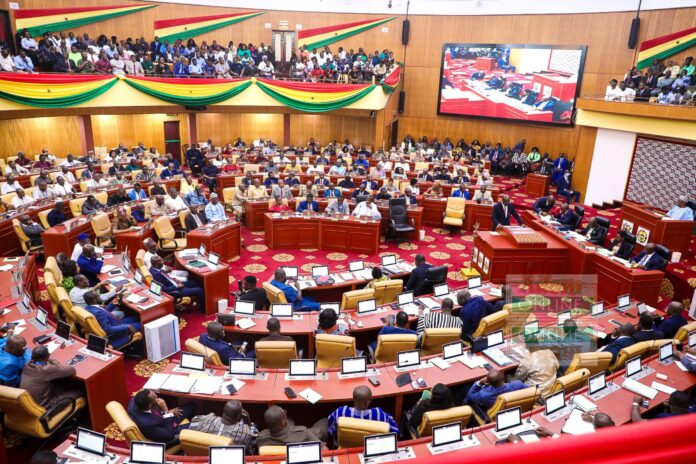

Parliament has passed the controversial Human Sexual Rights and Family Values Bill, popularly known as the anti-LGBTQ bill, following years of heated public debate and international attention.
The bill, formally titled the Promotion of Proper Human Sexual Rights and Ghanaian Family Values Bill, seeks to criminalise LGBTQ+ activities, advocacy, funding and the promotion of what it describes as non-conventional sexual relations.
Its passage marks one of the most contentious moments in Ghana’s recent legislative history, attracting strong backing from religious and traditional groups while drawing criticism from human rights organisations and sections of the international community.
Among its provisions, the bill proposes penalties for individuals who engage in same-sex relations, as well as sanctions against persons, groups or organisations accused of promoting or supporting LGBTQ+ activities.
Supporters of the legislation argue that it is necessary to protect Ghanaian cultural, moral and family values. Several religious bodies and traditional leaders openly supported the bill throughout parliamentary deliberations, insisting that it reflects the beliefs and values of the majority of Ghanaians.
However, critics have argued that the legislation could violate constitutional rights, including freedom of expression, association and protection from discrimination.
Debate intensified in Parliament after attempts were made to introduce clauses exempting journalists, media houses, lawyers, doctors, counsellors and other professionals from sanctions if their work involved LGBTQ-related matters in the normal course of duty.
The proposed amendments sought to protect media practitioners reporting on LGBTQ-related issues, as well as medical and mental health professionals providing services to affected persons.
But co-sponsor of the bill and Assin South MP, Rev John Ntim Fordjour, together with Bosome-Freho MP Nana Asafo-Adjei Ayeh and other Minority MPs, strongly opposed the changes.
According to them, such exemptions could create loopholes that may eventually be used to promote LGBTQ+ activities in the country.
The bill was first introduced in June 2021 by a bipartisan group of lawmakers led by Ningo-Prampram MP Sam George.
It underwent its first reading in August 2021 before being referred to Parliament’s Constitutional, Legal and Parliamentary Affairs Committee for consideration.
Between 2021 and 2022, the committee held extensive public consultations involving religious leaders, traditional authorities, legal experts, civil society groups and human rights organisations.
The consultations sparked widespread national debate, with supporters insisting the bill was necessary to preserve Ghanaian values, while opponents described it as discriminatory and unconstitutional.
ALSO READ:
