
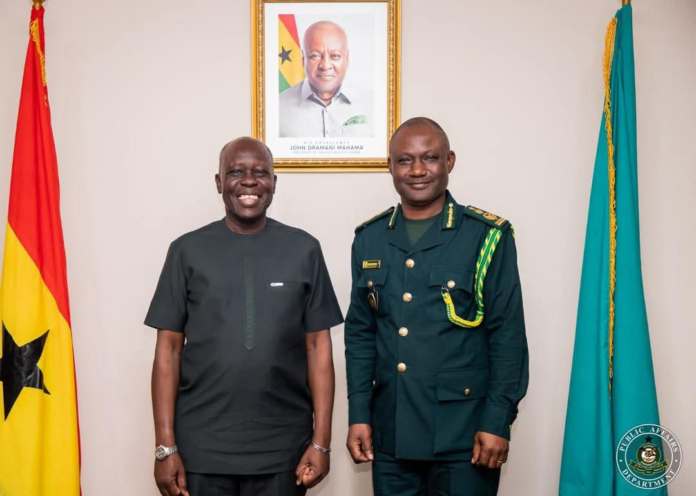

The Ghana Immigration Service, in line with its commitment to maintaining zero tolerance for Gender-Based Violence (GBV), Sexual Exploitation, Abuse and Harassment (SEAH), has commenced the first phase of implementing its GBV-PSEAH Policy with technical and financial support from United Nations Population Fund in 2025.
The initiative has led to the development and validation of a GBV-PSEAH training manual, as well as the successful delivery of two specialised training programmes for selected officers and facilitators who will serve as trainers across regional commands and training schools nationwide.
In the context of Migration and Border Management, the risk and incidence of GBV take on a unique and alarming dimension, making women and children potentially vulnerable to violence at borders and border communities, during migration journeys.
Migrants may be exploited, leading to sexual abuse, exploitation, harassment and trafficking, because migrants are sometimes forced to travel through dangerous unapproved routes, where the risk of sexual violence, including rape, is high.
This is particularly true for women and girls who may travel without male companions or in groups with limited resources.
The Ghana Immigration Service (GIS) has demonstrated strong commitment to preventing and responding to Gender-Based Violence, Sexual Exploitation, Abuse and Harassment within its operations. Following the development of the GBV-SEAH Training Manual and the successful completion of capacity-building workshops for officers in the northern and southern zones, the Service will implement additional strategic activities this year to strengthen institutional systems, accountability, and awareness. Focus to strengthen implementation will be around these areas:
Capacity building programmes
Expansion of GBV-SEAH and gender training across the Service
Strengthen and enhance community relations to prevent GBV-SEAH
Strengthening reporting and monitoring systems
Enhancing institutional awareness programmes
Supporting resource mobilization for policy implementation
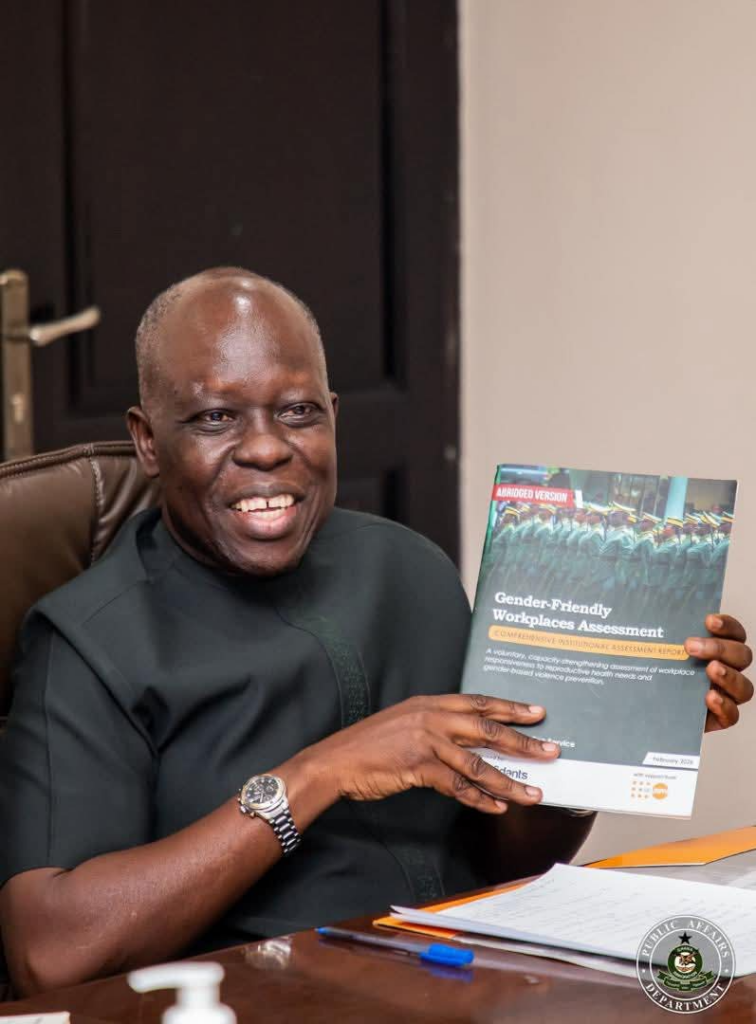
The UNFPA reaffirmed their commitment to continue supporting the Ghana Immigration Service in implementing these initiatives following a courtesy call on the Comptroller General, Mr. Samuel Amadu Basintale, by the Country Representative of the UNFPA, Dr. Wilfred Ochan, at the GIS National Headquarters. Dr. Wilfred Ochan indicated during the visit that a recent assessment conducted across selected institutions revealed that GIS already has a strong institutional structure in place to support gender-responsive policies. He, however, indicated that work is required to strengthen implementation through continuous training, monitoring, and institutional support.
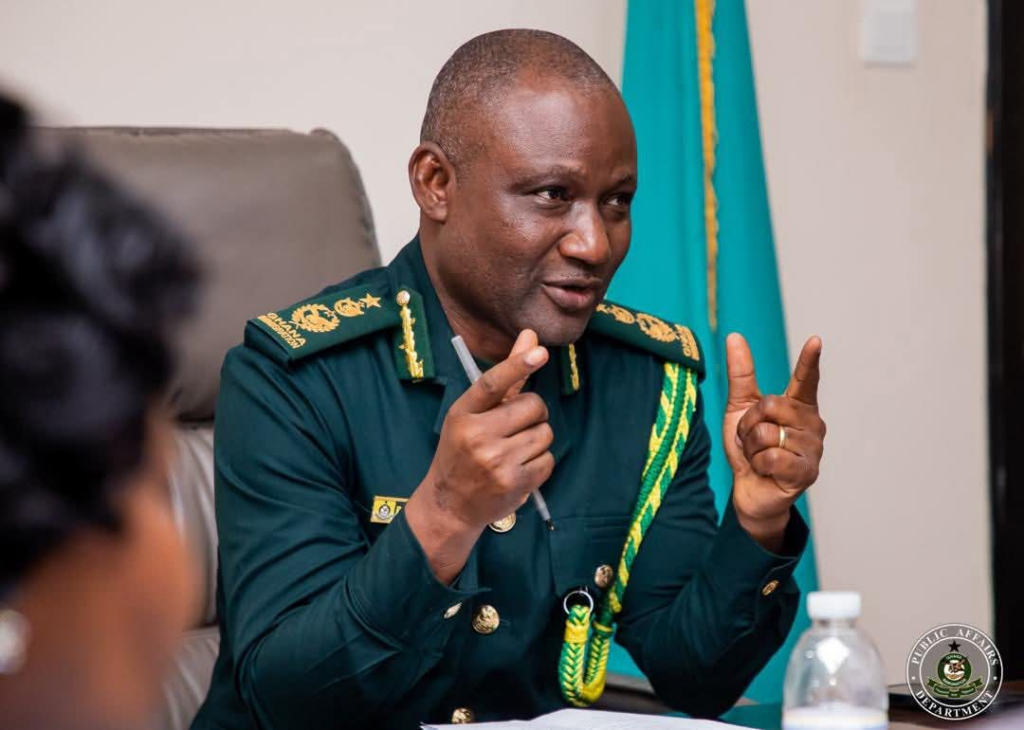
The Comptroller General, Mr. Samuel Amadu Basintale, emphasized the need to strengthen capacity across all operational levels of the Service. He noted that relying on only a few trained personnel at the regional level may limit the effective implementation of the policy and the training manual for in-service trainings. Therefore, it is important to replicate and decentralize training to the lowest operational levels, including sectors, districts, border posts, and inland checkpoints.
The partnership between the UNFPA and the Ghana Immigration Service has been ongoing for approximately two years, particularly through engagements with the Gender Section and other departments within the Service.
Further collaborations going forward will cover areas including logistical support for secure communication systems for case management, improvement of reporting channels i.e. short code for reporting, collaboration with other countries especially in the West African Sub region, capacity building and awareness creation among migrants, periodic refresher training programmes for officers that are in-service, introduction of online training modules that officers can complete independently, after which they will receive certification confirming their understanding of GBV/PSEAH and gender-related policies.
Madam Selina Owusu, Gender Programme Analyst, UNFPA, advised that the GIS should adopt a rights-based approach and gender-responsive border and migration management e.g. dealing with female victims of crimes, exploitation, trafficking, minors/ elderly people.
The UNFPA delegation commended the leadership of the Ghana Immigration Service for demonstrating commitment to gender equality, workplace protection policies, and human rights standards in migration management.
The partners acknowledged that the Service has shown leadership and openness in working with international partners to strengthen institutional policies and systems. They reaffirmed their commitment to supporting the Service through technical assistance, training programmes, and policy development initiatives.
We are not extravagant – Roads Minister denies ‘long convoy’ allegations…
Okaikwei Central NPP executive allegedly assaulted after election meeting
