

Stakeholders in the Audit Service are raising concerns about the independence of auditors, citing a situation where about 70 per cent of staff are accommodated by the district assemblies they audit.
Currently, only 30 per cent of Audit Service offices operate from independent administrative facilities across districts nationwide. The remaining 70 per cent are housed by various assemblies, a situation critics say threatens independence, weakens oversight, and undermines accountability.
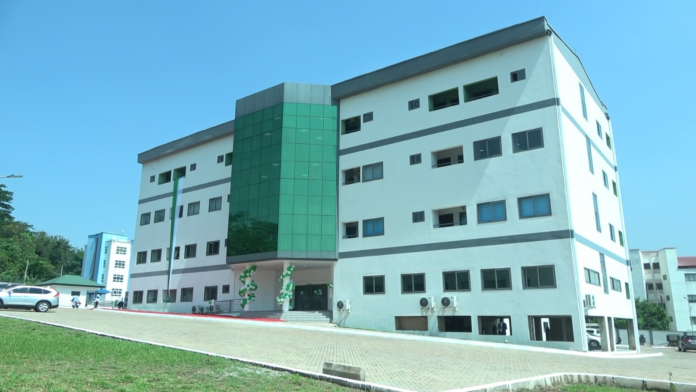
The Auditor-General, Johnson Akuamoah Asiedu, raised these concerns at the commissioning of a new Ashanti Regional Office for the Audit Service in Kumasi.
He highlighted the risks associated with auditors operating within the premises of their auditees, particularly Metropolitan, Municipal and District Assemblies, warning that such arrangements can compromise objectivity.
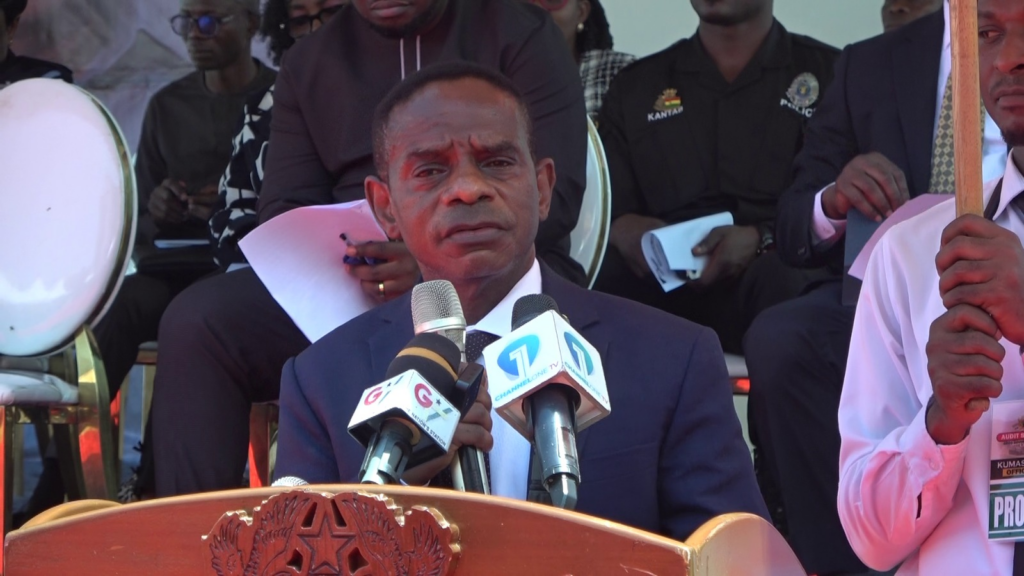
He noted that close interactions between auditors and their auditees may create undue familiarity, which could weaken efforts to safeguard public funds.
“Every audit staff member is very familiar with the challenges of accommodation in the service. Because we are accommodated by the assemblies, they are the very auditees that we audit. And imagining an audit service staff going to the assembly to ask for furniture, sometimes we go and ask for ice water, and imagine how our independence is likely to be impaired because of the familiarisation of our auditees,” he stated.
He urged government to prioritise the provision of independent office facilities to enable auditors to carry out their mandate with integrity and efficiency.
The concerns come at a time when government has reiterated its commitment to strengthening accountability in state institutions.
Presidential Advisor on the National Anti-Corruption Programme, Prof. Francis Duodu, reaffirmed government’s commitment to fighting corruption and protecting the public purse.
He emphasised that the administration will ensure the judicious use of public funds and safeguard the independence of the Auditor-General to promote accountability.
The new regional office complex includes technical audit departments and service support units designed to enhance the Audit Service’s operations in the region.
Construction of the facility began in 2011 but was abandoned for over a decade before its completion.
The event brought together traditional leaders and other dignitaries, marking a key step in strengthening institutional capacity and infrastructure in the Ashanti Region.
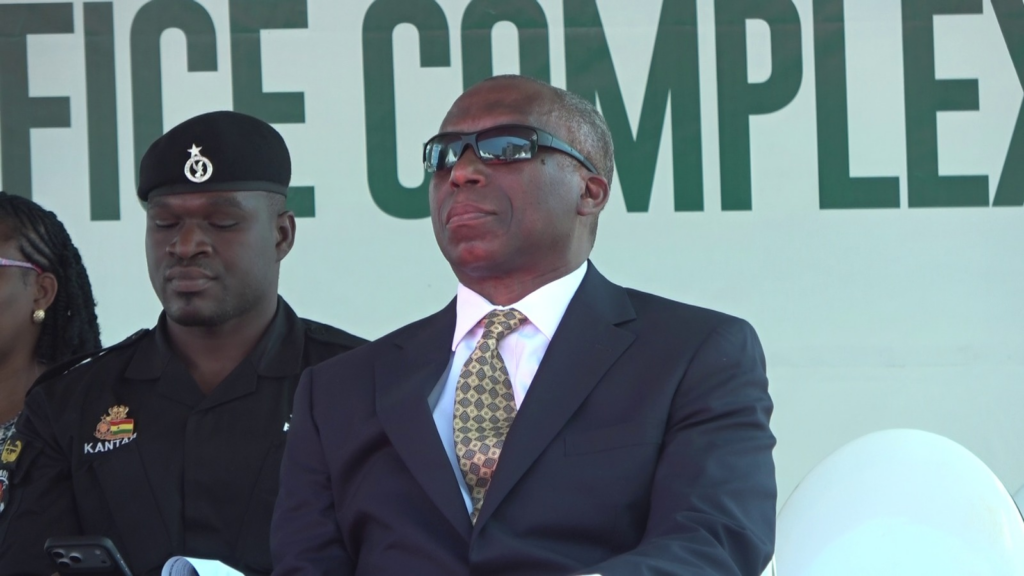
Prof. Duodu underscored the importance of a strong Audit Service in ensuring accountability in the use of public funds, noting that “without effective auditing, mismanagement, waste and corruption will thrive.”
He further stressed government’s commitment to ensuring audit reports are submitted to Parliament on time, publicly debated, and acted upon in line with Article 187 of the Constitution.
Ashanti Regional Minister Dr. Frank Amoakohene emphasised the importance of continuity in governance, noting that the completion of the project reflects the collective efforts of successive administrations.
He commended the Auditor-General’s leadership and acknowledged the contributions of all stakeholders involved.

“This is a testament to our resolve as a government to prioritise the completion of legacy projects that serve the people. We must also ensure that such investments are preserved through a strong maintenance culture to guarantee long-term value,” he said.
