
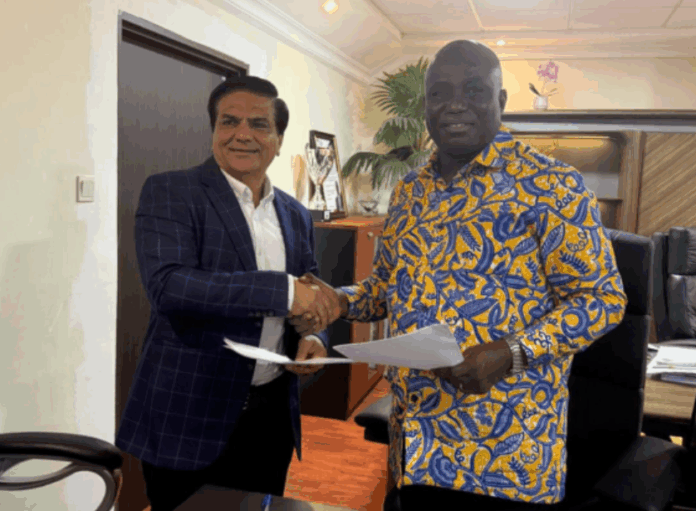

Ghana has taken a major step towards strengthening its agro-industrial sector by signing an MoU between the Ministry of Food and Agriculture (MoFA) and B5 Plus Limited to establish a large-scale cashew processing plant in the country.
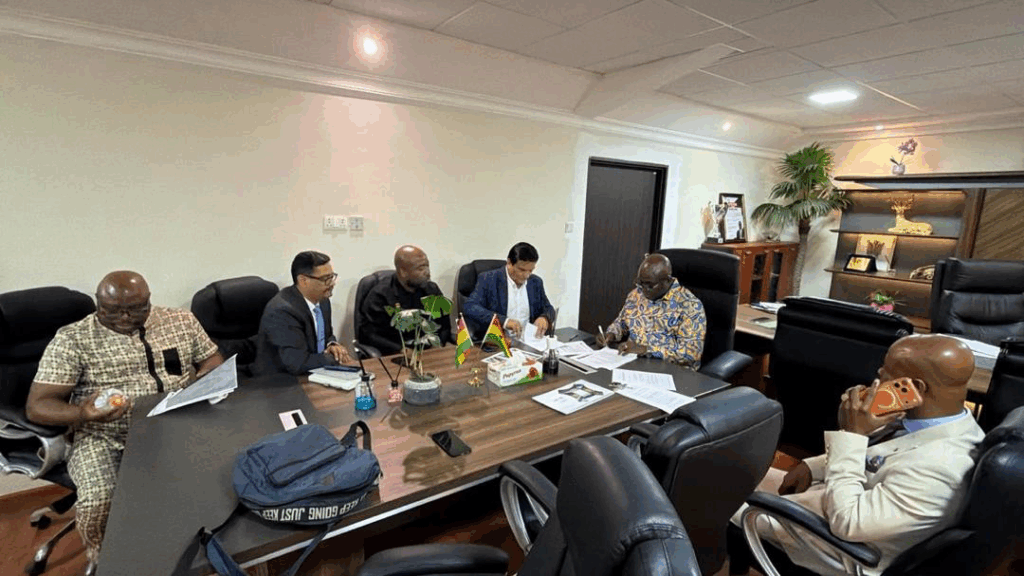
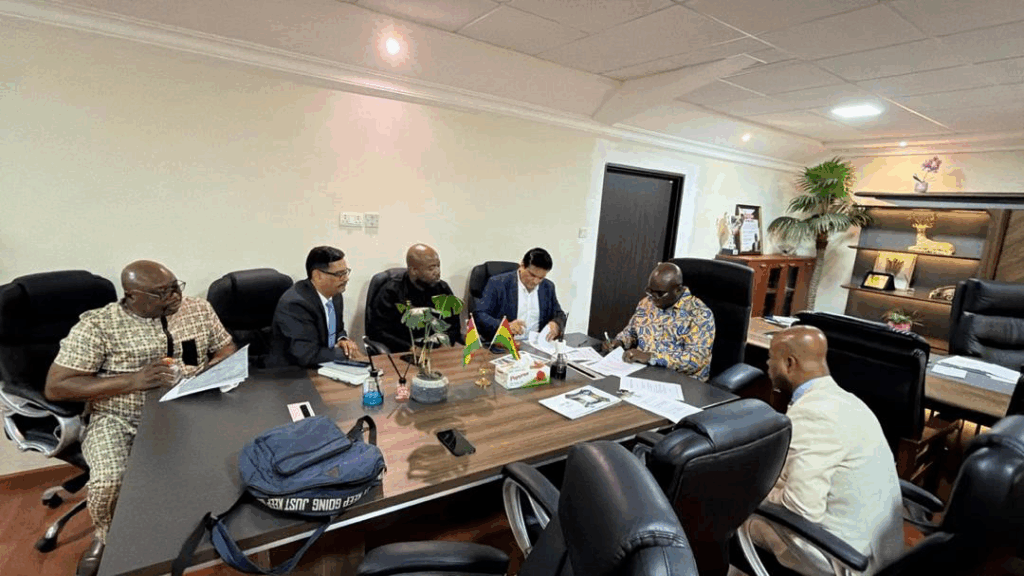
The agreement was signed by the Minister for Food and Agriculture, Eric Opoku, and the Executive Director of B5 Plus Limited, Mukesh Thakwani.
It sets out a collaborative framework for developing and managing the cashew processing facility under a Build-Operate (BO) model.
Ghana is one of the major producers of raw cashew nuts in Africa, yet a significant portion is exported without value addition.
The MoU recognises the urgent need to shift from raw exports to domestic processing to enhance farmer incomes, expand employment opportunities, and diversify exports.
Under the arrangement, B5 Plus Limited will finance, design, construct, equip, own, and operate the plant at its own cost and risk, subject to regulatory approvals.
The Ministry will facilitate policy coordination, land support, stakeholder engagement, and inter-agency approvals to ensure smooth implementation.
The initiative aligns with Ghana’s economic transformation agenda, including industrialisation, import substitution, and sustainable export growth.
The project places strong emphasis on sustainable sourcing arrangements with farmers and aggregators, including transparent grading systems, prompt payments, and farmer engagement programmes. It also promotes employment creation and skills transfer to build local technical and managerial capacity.
Speaking at the signing ceremony, the Minister for Food and Agriculture, Eric Opoku, stressed the project’s strategic importance within the Feed Ghana Programme.
He said, “Feed Ghana is not just about growing more crops; it is about building industries around what we grow.”
According to him, local processing is central to restoring value to farmers and rural communities, stressing that “When we process our cashew locally, we create jobs, strengthen farmers, and keep Ghanaian wealth within Ghana,” he said.
He stressed that by processing cashew locally, Ghana stands to capture greater value within its borders, from shelling and grading to packaging and export of finished products, rather than exporting raw nuts and re-importing processed goods at higher costs.
Industry analysts note that domestic processing will help stabilise farm-gate prices, reduce post-harvest losses, and deepen rural industrialisation, particularly in cashew-producing regions.
The MoU clearly states that the project will operate under a Build-Operate model, with ownership remaining with the investor.
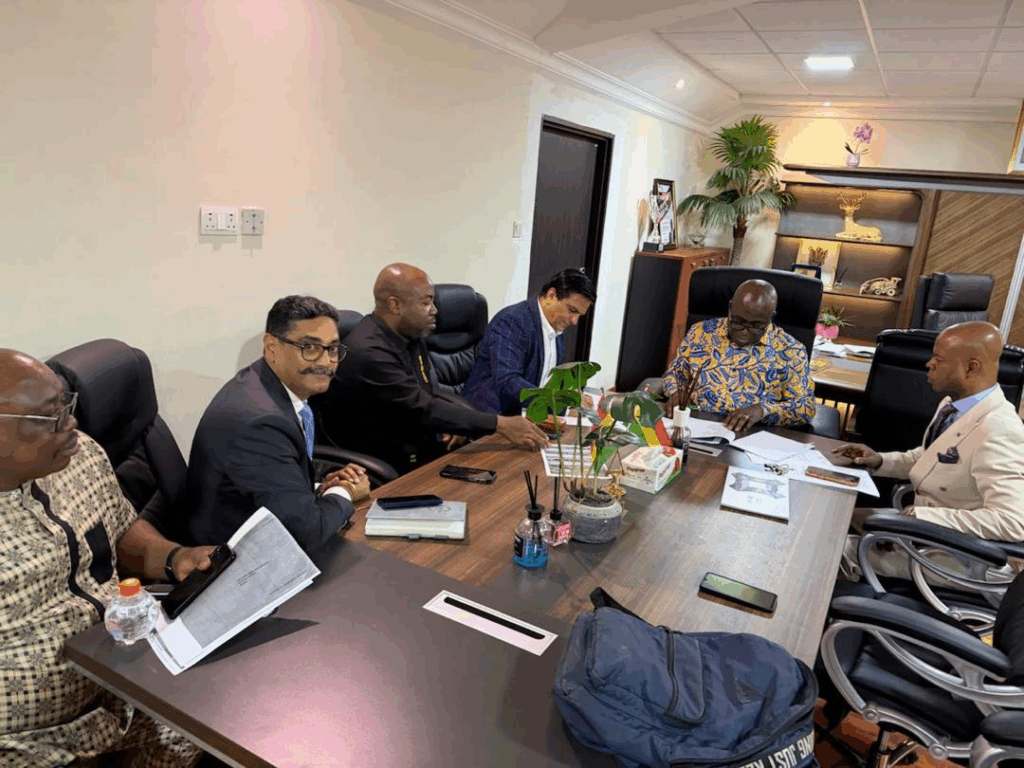
Whilst the agreement is non-binding and subject to further definitive arrangements, it establishes a structured implementation pathway, including the formation of a Joint Technical Committee to oversee planning and milestones.
Reaffirming government’s determination, the Food and Agriculture Minister concluded that “The era of exporting raw potential is over. Under Feed Ghana, we are turning harvest into industry and agriculture into the engine of economic transformation.”
If successfully implemented, the MoFA -B5 partnership project could serve as a model for similar investments across other tree crops and agricultural value chains, accelerating Ghana’s transition from commodity dependence to industrial transformation.
