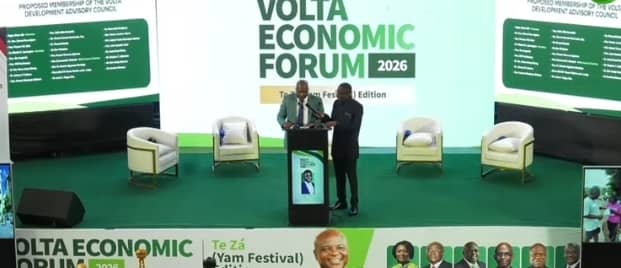

The Volta Region is moving to change the way it measures economic development, with the 2026 Volta Economic Forum (VEF) shifting its focus from showcasing investment opportunities to converting them into actual projects, businesses, jobs and incomes.
Chairman of the Volta Economic Forum, Dr Elikplim Afetorgbor, says the region has demonstrated its economic potential for long enough and must now focus on turning identified opportunities into tangible investments.
Speaking ahead of the 2026 Forum, Dr Afetorgbor said the theme, “From Opportunity Showcase to Investment Execution,” reflects the need for a more disciplined investment pipeline that connects bankable projects in the region with investors, financial institutions and strategic partners.
According to him, the Volta Region has considerable opportunities in agriculture and agro-processing, tourism and hospitality, fisheries and aquaculture, energy, transport and logistics, manufacturing, real estate and infrastructure.
However, Dr Afetorgbor stressed that opportunities and natural resources alone cannot transform the regional economy.
“They require capital, credible projects, enabling institutions, strategic partnerships and sustained execution,” he said.
Early investments point to possible shift
The 2026 Forum comes on the back of emerging investments linked to opportunities showcased during the maiden VEF in 2025.
These include the Zonda Showroom in Ho, a 500-acre sisal farming project in Akatsi North, aquaculture development in Keta, interest in Kpando’s white clay for ceramics, and the Zen Palms Beach Resort and SPA in Keta.
Dr Afetorgbor said the projects, although at different stages of development, demonstrate that properly identified and packaged opportunities can move beyond discussions into investment commitments and implementation.
He said the emphasis this year is therefore not simply on attracting attention to the region, but on creating systems that ensure serious investment leads are followed through to financing and implementation.
Proposed Volta Development Advisory Council
A major proposal under consideration is the establishment of a Volta Development Advisory Council, envisaged as a high-level multidisciplinary body to provide strategic direction for the region’s economic development.
Dr Afetorgbor said the proposed Council would bring together expertise from traditional leadership, public policy, business, finance, industry, law, education, civil society and development.
The Council would help address critical questions about the region’s economic future, including which industries should be deliberately developed, what infrastructure should be prioritised, where public and private capital should be directed, and how investments can translate into jobs, higher incomes and improved living standards.
Dr Afetorgbor said the proposed mechanism is intended to be strategic and results-oriented rather than another ceremonial institution.
Taking Volta’s investment pitch beyond Ghana
Another proposal is the creation of a Volta Economic Embassy initiative through Ghana’s diplomatic missions.
The initiative would use Ghana’s embassies, high commissions and consulates as coordinated platforms for marketing investment opportunities in the Volta Region, identifying investors and connecting them to credible projects.
Under the proposal, participating missions would have designated Volta investment focal persons supported by professionally prepared portfolios of bankable projects from municipalities and districts.
The system would also track serious investment leads from initial contact through due diligence, financing, establishment and operation.
Dr Afetorgbor said the objective is to turn international visibility into a structured investment-conversion system rather than relying on occasional investment promotion activities.
A new measure of success
The Forum is also challenging traditional measures of success.
Dr Afetorgbor said attendance, speeches, photographs and expressions of goodwill should not be the principal indicators of the Forum’s impact.
Instead, the focus should be on capital mobilised, businesses established, projects implemented, jobs created and economic value generated across the region.
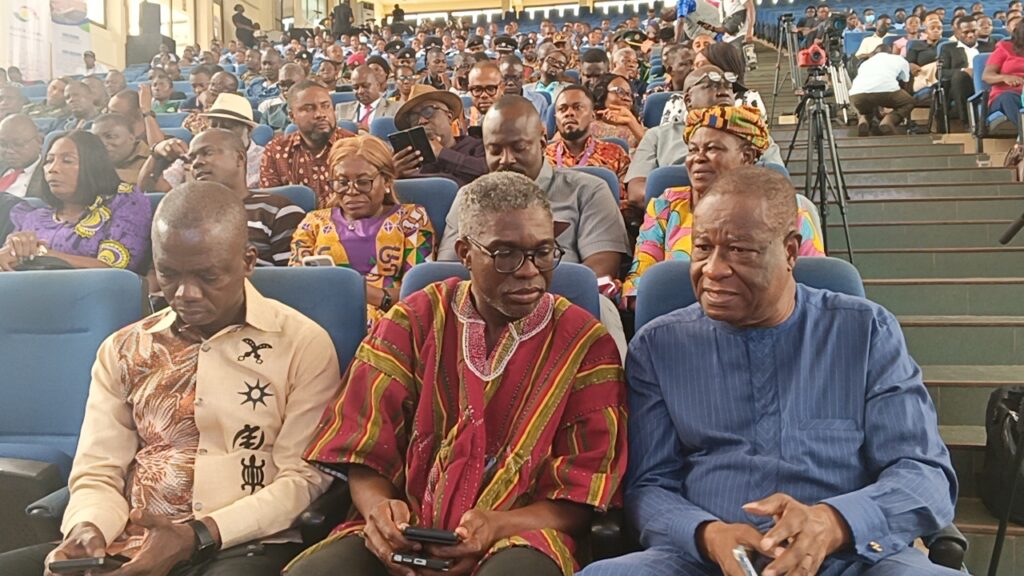
That approach places greater responsibility on public institutions, metropolitan, municipal and district assemblies, investors, financial institutions and other stakeholders to move from broad development aspirations to clearly defined, investment-ready projects.
Municipal and district assemblies are expected to increasingly present bankable opportunities, while investors and financial institutions identify projects capable of undergoing due diligence and financing.
Traditional authorities are also expected to play a role in land access, community engagement and investment security.
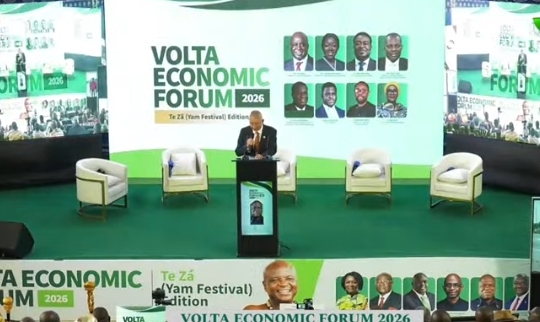
The bigger question
At the heart of VEF 2026 is a fundamental question: Can the Volta Region convert its well-documented economic potential into sustained private investment, productive enterprises and decent jobs?
Dr Afetorgbor said the proposed institutional mechanisms are intended to help provide part of the answer.
The long-term ambition is for every municipality and district to develop a credible pipeline of investible projects, while diplomatic missions help market those opportunities to international investors.

For young people in the region, the intended outcome is development that can be seen and experienced through farms, factories, hotels, aquaculture enterprises, technology ventures and logistics businesses — rather than through promises alone.
The message from VEF 2026 is therefore clear, according to Dr Afetorgbor: the Volta Region has spent considerable time demonstrating what it can offer.
The next phase, he said, is to finance it, invest in it and execute.
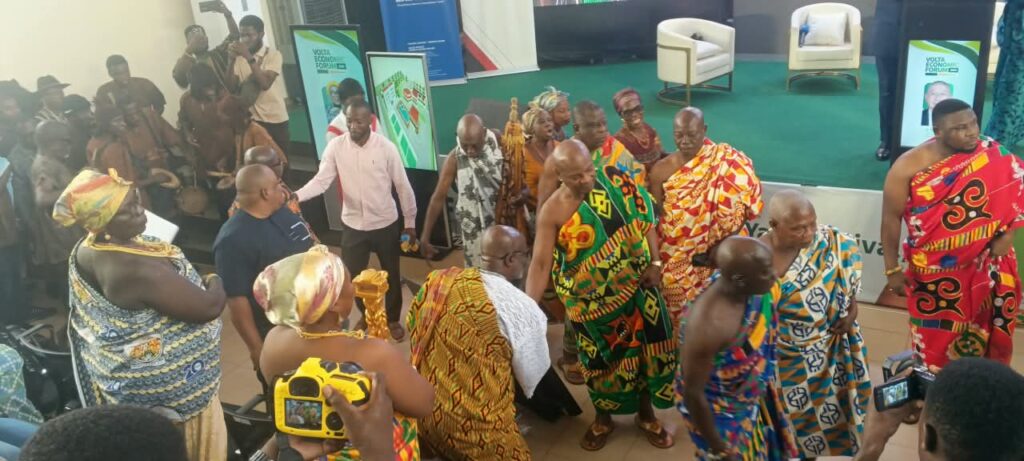
For the Chairman, the theme “From Opportunity Showcase to Investment Execution” is expected to become more than a conference theme; it is being positioned as a development approach for the region.