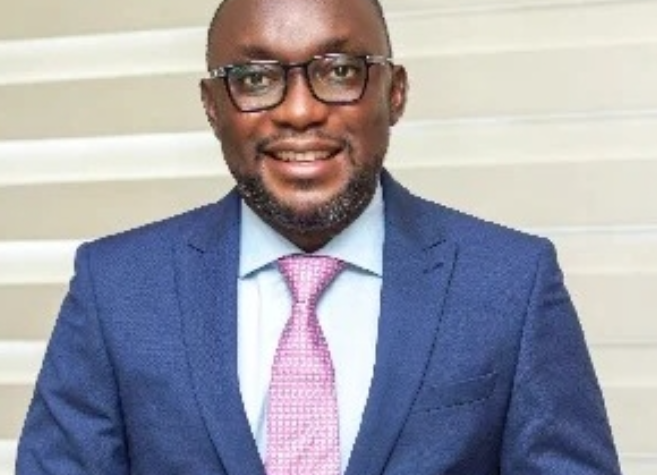

The Member of Parliament for Abuakwa South, Dr. Kingsley Agyemang, has cautioned that the United States’ withdrawal from the World Health Organization (WHO) could weaken global health coordination and place additional strain on Ghana’s health system.
In a statement issued on January 27, 2026, Dr. Agyemang described the decision as a significant structural setback to international health governance, noting that the US had been the WHO’s largest financial contributor, accounting for about 15 per cent of the organisation’s total budget before its exit.
He explained that the loss of such funding could undermine the WHO’s capacity to support countries like Ghana in areas including disease surveillance, emergency response, technical assistance and policy guidance.
According to him, Ghana depends heavily on WHO-supported programmes for epidemic intelligence, immunisation coordination, malaria control, maternal and child health services, and broader health system strengthening.
“A constrained WHO budget weakens the scale and speed of technical support for outbreak preparedness and response, particularly for climate-sensitive and epidemic-prone diseases such as cholera, meningitis and emerging zoonotic infections,” Dr. Agyemang stated.
He warned that cuts in multilateral health financing often affect low- and middle-income countries the most, leaving them increasingly vulnerable to public health emergencies.
Beyond the national impact, the MP said the US withdrawal could disrupt global health coordination, given the WHO’s central role in setting standards, coordinating donor support and promoting equitable access to vaccines and essential medicines.
“The weakening of multilateral leadership risks fragmented health responses, reduced compliance with international health regulations and a shift toward bilateral arrangements that may not align with Ghana’s national priorities or universal health coverage goals,” he said.
Dr. Agyemang added that such uncertainty could raise planning costs for Ghana and reduce predictability in long-term health financing.
However, he noted that the situation also presents an opportunity for Ghana to strengthen its internal health systems. He cited ongoing reforms, including the expansion of the National Health Insurance Scheme, new financing approaches for non-communicable diseases and efforts to scale up local pharmaceutical production.
He further called for stronger South–South cooperation, diversified health partnerships and increased domestic resource mobilisation to reduce reliance on external funding.
“Countries that diversify health alliances and invest in local capacity are more resilient to disruptions in foreign assistance,” he remarked.
While commending government efforts to advance national health priorities, Dr. Agyemang stressed the need for sustained investment in disease surveillance, emergency preparedness and primary healthcare. He also urged enhanced diplomatic engagement with regional and international partners to stabilise health financing and safeguard Ghana’s health security.
“At this critical moment, safeguarding vulnerable populations and reinforcing national health sovereignty must remain central to Ghana’s development agenda,” he concluded.
ALSO READ: