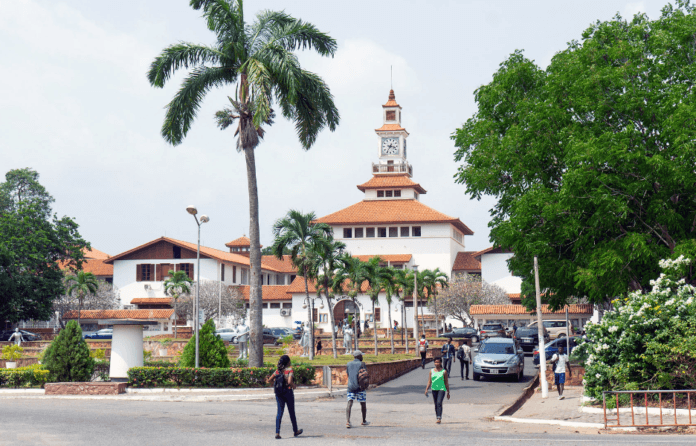

The management of the University of Ghana (UG) has sought to distance itself from the controversial 25% increase in academic fees for the 2025/2026 academic year, insisting the hike is largely beyond the control of the central administration.
According to university authorities, the sharp increments—some of which have pushed freshman bills up by more than 30%—are primarily the result of third-party levies introduced by student governance bodies, rather than a decision by management.
The clarification comes amid growing tension on the Legon campus following the release of provisional fee schedules showing that Level 100 Humanities students are now expected to pay GH¢3,110, up from GH¢2,319 in the previous academic year.
Speaking in an interview with Citi News, the Pro Vice-Chancellor for Academic and Student Affairs, Professor Gordon Awandare, explained that the university has limited control over specific charges imposed by the Students’ Representative Council (SRC) and the Graduate Students’ Association of Ghana (GRASAG).
“What is being reported as fee increases relates to third-party fees imposed by student leadership. These are fees approved through their own governance structures and communicated to students over two weeks ago. University management did not impose these fees. If students have issues with these charges, they should take them up with their SRC or GRASAG leadership. These fees are meant to support student programmes and activities,” he stated.
The university administration maintains that students should direct their concerns to their elected representatives, who allegedly reviewed and adjusted their funding components to reflect the rising cost of running student unions and implementing legacy projects.
A breakdown released by the university shows a significant rise in third-party charges this year. While the core academic facility user fee has remained relatively stable, auxiliary levies have increased considerably.
For undergraduate students, the third-party charges include:
SRC Hostel Development Levy – GH¢300
75th Anniversary Legacy Project – GH¢100
Telecel Data Package (Freshers) – GH¢312
SRC Welfare Dues – GH¢50
Reprographic Fees – GH¢5
This brings the total third-party component for freshmen to GH¢767.
Postgraduate students face similar charges under GRASAG, including a Development Levy of GH¢250 and a Legacy Project contribution of GH¢100, amounting to GH¢385 in third-party fees.
Despite public backlash, Professor Awandare argued that the base fees charged by the university remain modest when viewed against Ghana’s current economic realities of high inflation and escalating utility costs.
“When you look at the fees—about GH¢2,000 for an entire academic year at Ghana’s premier university—it is difficult to describe them as excessive. Utilities and operational costs have increased significantly, yet university fees have largely remained unchanged since 2022. Even the students themselves recognise that the previous fee levels were no longer realistic under current economic conditions, which is why they have adjusted their component of the fees to match the cost of running their activities,” he said.
University management further noted that while the institution has absorbed rising operational costs for the past two years, student leaders determined that major initiatives—such as the SRC Hostel Development project—could no longer be sustained without a substantial increase in internally generated funds.