
In Nkwanta South, the night is measured,
not by stars, but by decree—
hours stitched shut,
roads buttoned closed,
footsteps fined into silence.
Curfew, they call it:
a boundary drawn across the ordinary,
a rule meant to keep the living safe,
to guard the house, the market, the child.
Yet safety here wears a hard face,
and the clock becomes a cage.
Protracted conflict lingers like smoke
that will not leave the rafters.
From the counsel of REGSEC,
from the Interior Ministry’s pen,
the order returns again—
tightened, renewed,
as if time itself could negotiate peace.
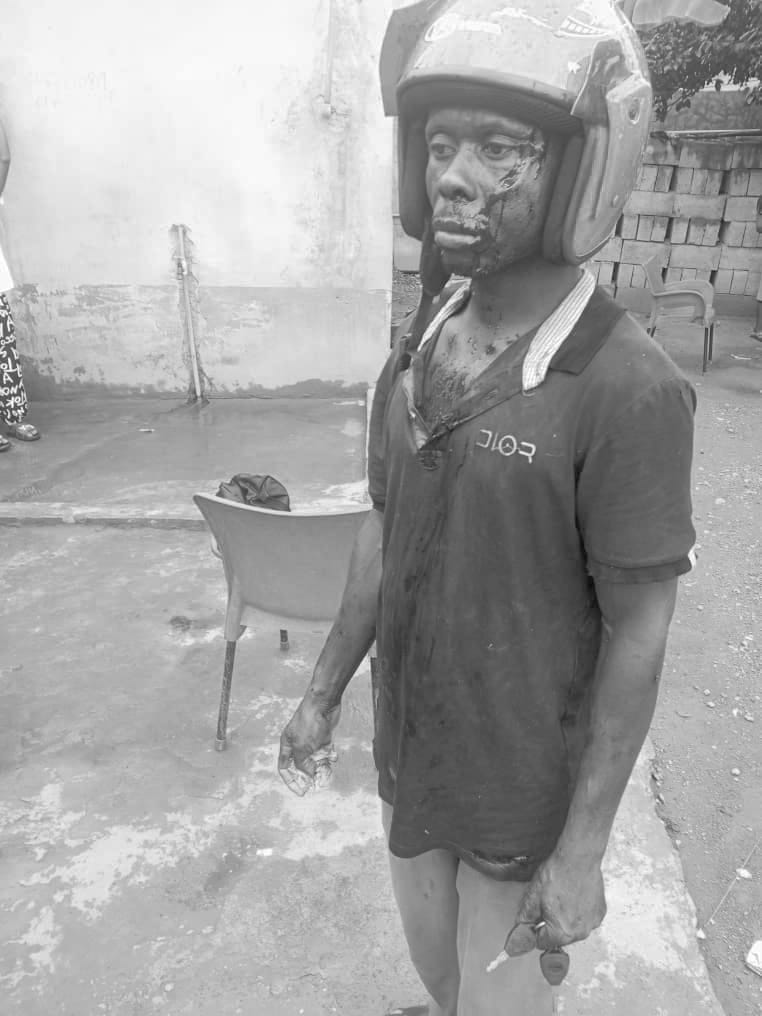
Between Adele, Akyode, Challa,
and others whose names are spoken carefully,
the community is asked to endure,
to wait for calm like rain.
But waiting is not a gentle act
when fear patrols the street.
Women carry water with caution
even in daylight’s thin promise;
children learn early
that innocence does not always protect.
Doors shut quickly.
Voices lower.
Questions are swallowed.
And those who should shield the people—
those tasked to protect,
to educate the ordinary citizen—
sometimes arrive as thunder
without warning,
leaving bruises where reassurance should be.
Professional workers are not spared.
Teachers, chalk still on their fingers,
trying to keep lessons alive
in classrooms of anxiety.
Health workers, moving toward pain
because that is their oath.
Bankers and labourers,
still showing up, still serving,
in the difficult moments.
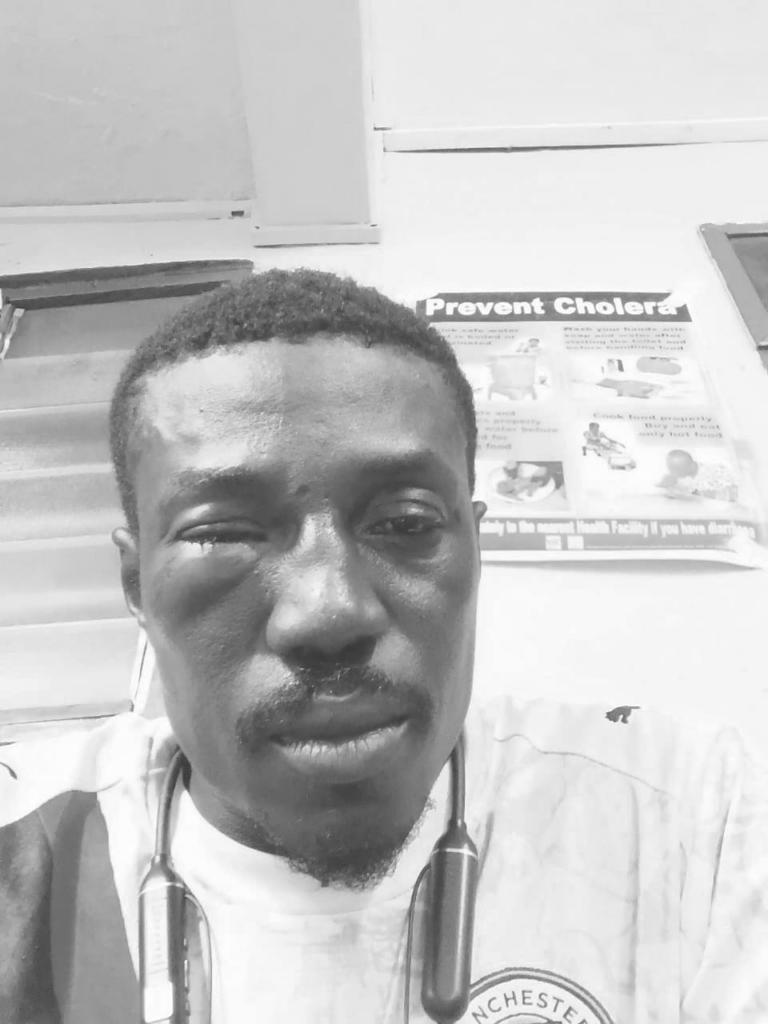
Yet service does not grant immunity.
A uniformed shadow can turn duty into danger.
Intimidation becomes instruction:
Learn quiet. Learn compliance.
Learn how to survive your own protection.
In this place, injuries carry stories.
A teacher limps home with a lesson undone.
A journalist bears the cost of witnessing.
Residents count degrees of harm
in hushed, familiar language—
and in the hush,
the question hangs:
who will care?
The curfew meant to save life and property
has, for many, become a different kind of threat:
a silence that does not heal,
a peace enforced without dignity,
a public policy written on private skin.
So the town holds its breath each evening,
as if air too can be restricted.
And the pain, unreported, unaddressed,
sits under the curfew’s shadow—
not loud enough to reach the powerful,
not visible enough to be answered—
a silent pain,
where no one cares.
ALSO READ: