
As Ghana navigates the complexities of economic recovery, one leader stands out for his unwavering commitment to trust and competence: John Mahama.
His tenure as President has been marked by a relentless pursuit of transparency, accountability, and fiscal discipline, earning him the trust and admiration of Ghanaians.
The Power of Competent Leadership
Competence is a fundamental leadership trait that enables leaders to deliver results and inspire confidence in their followers.
Effective leaders possess a range of competencies, including self-awareness, self-leadership, and interpersonal skills, which allow them to navigate complex situations and make informed decisions.
The UTRGV Leadership Competency Model and the Leadership Core Competencies Framework provide comprehensive roadmaps for leaders to develop and improve their skills, with a focus on areas such as integrity, resilience, communication, and decision-making.
Leaders who demonstrate competence in these areas are better equipped to drive growth, innovation, and success in their organizations, while also fostering a culture of trust, accountability, and high performance. By prioritizing competency in leadership, organizations can build a strong foundation for achieving their goals and realizing their vision.
Building Bridges of Trust
Effective leadership hinges on trust, which significantly impacts organizational performance. Research shows that both transactional and transformational leadership behaviors boost performance, with employee trust in leaders playing a mediating role.
Building trust is crucial, and it’s fostered through credibility, respect, and fairness. Leaders can cultivate trust by demonstrating genuine concern, acknowledging weaknesses, and communicating openly.
As David L. Mineo notes, “In any relationship, the essence of trust is not in its bind, but in its bond.” By prioritizing trust, leaders unlock their team’s potential, drive success, and create a positive work environment.
A Track Record of Success
In the case of John Mahama, his competence as a leader is evident in his policy decisions, which have driven growth and development despite challenging economic conditions.
Ghana’s economy has displayed significant signs of recovery and growth, with GDP expanding by 6.3% in the first half of 2025, up from 5.3% in 2024. Non-oil GDP growth surged to 7.8%, reflecting broad-based expansion in the real economy.
Mahama’s competence is further demonstrated by his ability to implement policies that have brought inflation under control, with headline inflation falling into single digits, collapsing from 23.2% in December 2023 to 8.0% by October 2025.
His commitment to fiscal discipline has also yielded impressive results, with a primary surplus of 1.9% of GDP achieved by October 2025, tripling the initial target of 0.6%.
These achievements are a testament to Mahama’s ability to make tough decisions and drive economic growth.
Transforming Key Sectors
One of the key areas where Mahama’s leadership has made a significant impact is in the trade and agribusiness sector. His government has positioned modern textiles and garments as a cornerstone of Ghana’s industrial transformation, with three new garment factories set to be established in Bono East, Central, and Eastern Regions.
This initiative is expected to create about 20,000 direct jobs and boost community livelihoods through private sector partnerships.
Additionally, the government has restricted exports of non-ferrous scrap metals and raw rubber under the Feed the Industry Programme, aiming to channel raw materials to domestic processors and build stronger value chains in metals and rubber-based industries.
Seven new agro-processing plants are also set to be fully operational, processing yam, fish, poultry, cashew, rice, shea, and palm kernel oil, cutting post-harvest losses, generating 700 direct jobs, and providing reliable markets for thousands of farmers.
Transforming Education & Healthcare
Mahama’s government is revolutionizing education with a bold initiative to upgrade secondary schools, eliminate the double-track system, and ensure full-time schooling for all.
Plans include upgrading Category A schools, building new facilities, and enhancing basic education infrastructure (200 new JHS, primary schools, kindergartens, and teachers’ bungalows).
The GETFund will provide free textbooks and modern equipment. In healthcare, the government is modernizing infrastructure with six new regional hospitals, completion of ten abandoned projects, and upgrades to seven hospitals for enhanced maternal and child health services.
Boosting Security & Sports
Mahama’s government is strengthening national security by retooling the Ghana Armed Forces (GAF) with a modernization program upgrading logistics, equipment, and infrastructure, including new aircraft, helicopters, and naval vessels.
The Ghana National Fire Service will receive 100 fire tenders and equipment. In sports, modern stadia are being built in 3 regions, and the National Theatre in Accra is being rehabilitated, with plans for a second national theatre in Kumasi.
A Leader of Integrity and Vision
Trust is a critical leadership trait that enables leaders to build strong relationships with their followers and stakeholders. John Mahama has built trust with Ghanaians through his transparent and inclusive leadership style.
He has engaged with citizens, listened to their concerns, and addressed them, fostering a sense of ownership and accountability. Mahama’s commitment to transparency and accountability has earned him high marks, with initiatives like the Ghana Revenue Authority and Public Procurement Authority strengthening revenue mobilization and ensuring value for money in public procurement.
The combination of competence and trust has made Mahama a highly effective leader, capable of driving growth and development in Ghana. Ghanaians recognize his trustworthiness and competency, reflected in his 74% approval rating on economic management.
A Brighter Future for Ghana
In conclusion, John Mahama’s leadership is a testament to the power of trust and competence in driving results. His vision for a “24-hour economy” aims to drive growth, create jobs, and improve quality of life, underpinned by his commitment to ethical leadership and governance anchored in integrity, competence, and compassion.
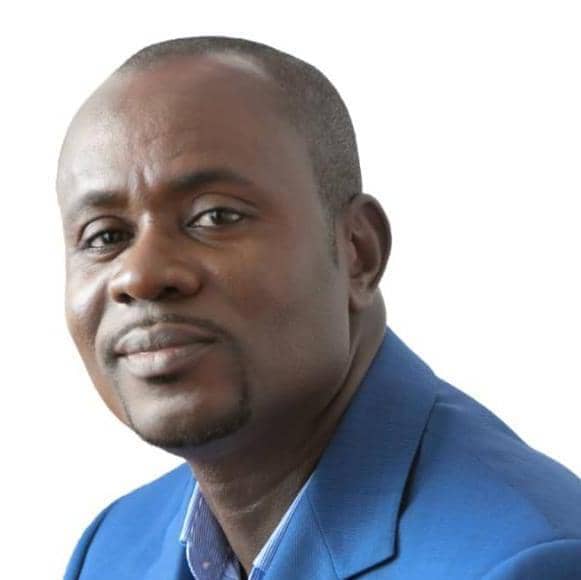
The writer is a Lecturer at University of Professional Studies, Accra, Marketing Department Dr. Ebenezer Arthur Duncan (0244882425).