
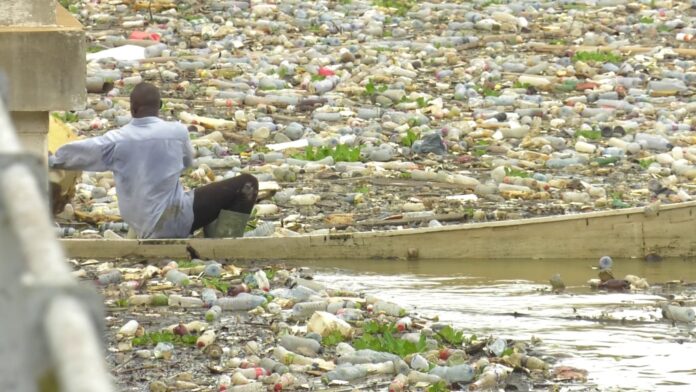

Ashanti Region’s water security is facing a growing threat as two major treatment plants supplying the Greater Kumasi metropolis are gradually being choked by silt and heavy plastic pollution.
According to management of Ghana Water Limited, the Owabi Treatment Plant is already 75% clogged with fine sand particles and plastics, while the Barekese Dam, the largest treatment facility, has lost about 40% of its total water-holding capacity due to siltation.
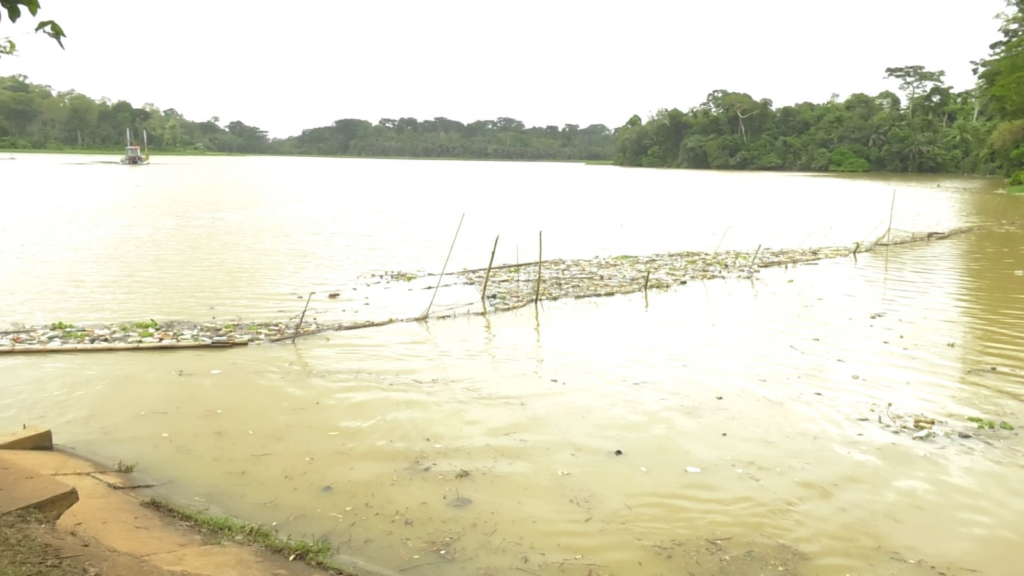
Officials are warning that without urgent dredging and stronger protection of water bodies, thousands of homes could face serious water shortages within the next two years as climate change worsens the situation.
The Owabi Treatment Plant supplies potable water to thousands of homes in the Greater Kumasi metropolis, processing about 36 million gallons of water daily.
However, the raw water source feeding the facility is increasingly being choked by heavy plastic pollution and fine sand particles.
The once-crystal-clear water body has now become a pale shadow of its former self, turning into a dirty, milky mixture.
The poor state of the water source has compelled Ghana Water Limited to deploy workers to regularly clear accumulated waste.
The Chief Manager of the Ashanti Production Region of Ghana Water Limited, Dr. Hanson Mensah-Akutteh, expressed concern over the situation.
“This is even more serious because the volume that is now left on the surface of the reservoir is just small, and this cannot even take us to a year if there is a serious climate variability,” he noted.
At the Barekese Dam, although the water appears clearer, it is heavily silted, drastically reducing its water-holding capacity.
Ghana Water Limited attributes the development to rapid encroachment along the banks of the water bodies, including settlement and farming activities.
Management warns that without immediate intervention, thousands of homes that depend on the two dams could crumble for potable drinking water in the coming years.
“People have degraded the forests. They’ve developed lands along the catchment area – the whole system is being weeded into the river course, and the river base is highly silted,” he said.
He warned that: “In the next two to three years, if there is a serious climate change of drought/dryness, Kumasi will be out of water”.
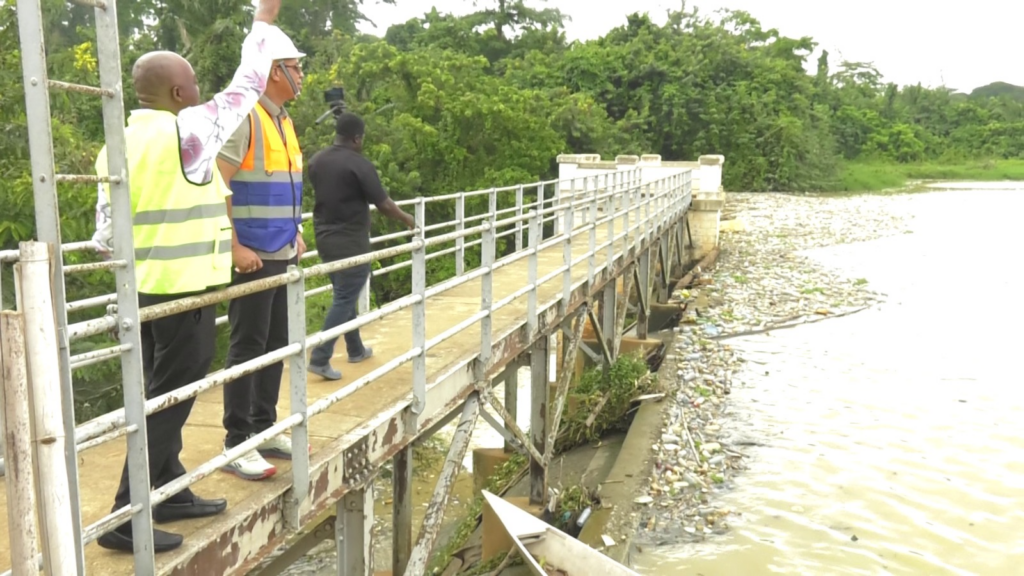
During a working visit to the sites, the Managing Director of Ghana Water, Adam Mutawakilu, bemoaned the state of the facility as he assured of urgent action to save the plants from total collapse.
“The Barekese dam has a gauge at deep, middle and top levels. Currently, we can’t extract water from the deeper part,” he added.
He indicated that: “There is at least revenue for the dredging, based on which we have requested commitment authorisation from the finance ministry. I hope that it will be approved on time so that we can kickstart the dredging”.
Meanwhile, a special national security taskforce is expected around the water bodies to safeguard them from any encroachment.
READ ALSO:
Foreign Affairs Ministry alerts travellers on the EU’s new digital border system
Sunyani Technical University dismisses 3 students over exam malpractice
