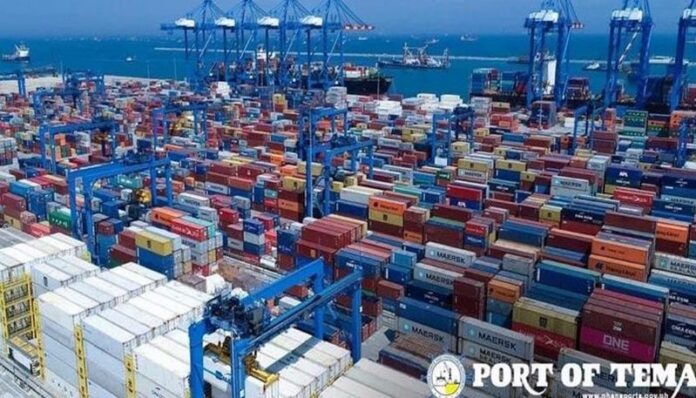

The Food and Beverages Association of Ghana (FABAG) has raised alarm over what it describes as a severe deterioration in operations at the bulk and bagged cargo section of the Tema Port, noting that performance has fallen to its lowest level in over 23 years.
In a statement dated January 5, the Association said the situation sharply contradicts assurances from port management that previous challenges had been resolved. FABAG noted that its members, who handle a large share of Ghana’s bulk food and beverage imports, continue to face serious disruptions that are crippling port operations.
According to the Association, internal reports from the bulk and bagged cargo terminal show a dramatic collapse in discharge rates, with vessels now offloading about 200 metric tonnes per day—down from a previous minimum average of 2,000 metric tonnes per day. This represents a 90 percent drop in operational efficiency.
FABAG further stated that the introduction of a 24-hour shift system has failed to improve operations, citing inadequate staffing, low worker morale, and unresolved labour grievances as key factors undermining productivity.
The Association also expressed concern over worsening vessel turnaround times, including prolonged berthing, slow cargo evacuation, and irregular loading and offloading schedules. These delays are increasing demurrage, storage, and logistics costs. At least three vessels currently discharging bulk and bagged cargo are already incurring significant demurrage charges, which will ultimately be passed on to importers, manufacturers, and consumers.
FABAG cautioned against what it described as a widening gap between official statements and realities at the port, stressing that downplaying the situation only deepens uncertainty and erodes confidence among port users.
Highlighting the strategic importance of Tema Port, the Association said operational inefficiencies have direct implications for food security, inflation, industrial competitiveness, and overall economic growth. It called for urgent and transparent engagement involving the Ghana Ports and Harbours Authority, port management, labour unions, key user groups, and independent verification of operational data, including cargo dwell times and vessel turnaround.
The Association urged swift corrective measures to restore efficiency and reliability at the port, insisting that public relations assurances must be matched by tangible improvements. FABAG emphasized that it remains open to constructive dialogue but will continue to speak out whenever operational failures threaten businesses and the welfare of Ghanaian consumers.
READ ALSO: