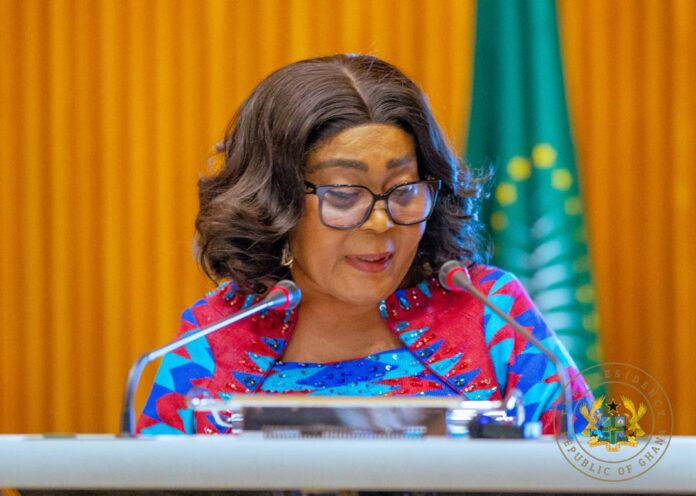

Ghana’s First Lady, Lordina Dramani Mahama, has announced renewed and expanded efforts to improve healthcare access, education, and economic empowerment for women and children, positioning these priorities as critical pillars for Ghana’s long-term development.
Delivering a keynote address at the 30th General Assembly of the Organization of African First Ladies for Development in Addis Ababa on Sunday, February 15, 2026, Mrs. Mahama outlined her foundation’s ambitious plans while calling for stronger continental partnerships to build resilience among Africa’s most vulnerable populations.
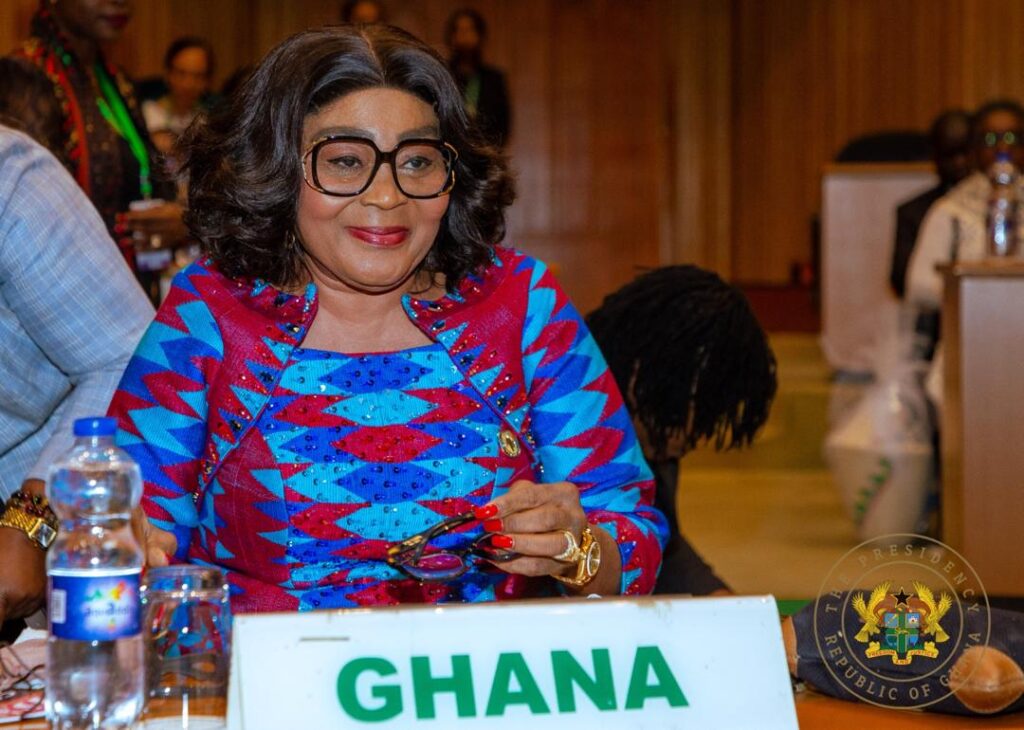
Speaking on the theme, “Building Resilience for Women and Children: Climate, Conflict, and Sustainable Futures,” the First Lady emphasised that health remains the foundation upon which strong families and nations are built.
She noted that her charitable organisation, the Lordina Foundation, has intensified nationwide health interventions, including free screenings for HIV, syphilis, hepatitis B, breast cancer, eye conditions, and prenatal care.
These initiatives, undertaken in partnership with the Ghana AIDS Commission and other stakeholders, have already reached thousands of beneficiaries, particularly in the Greater Accra and Bono regions. The programmes have also helped reduce stigma associated with HIV/AIDS through counselling, treatment, and public education.
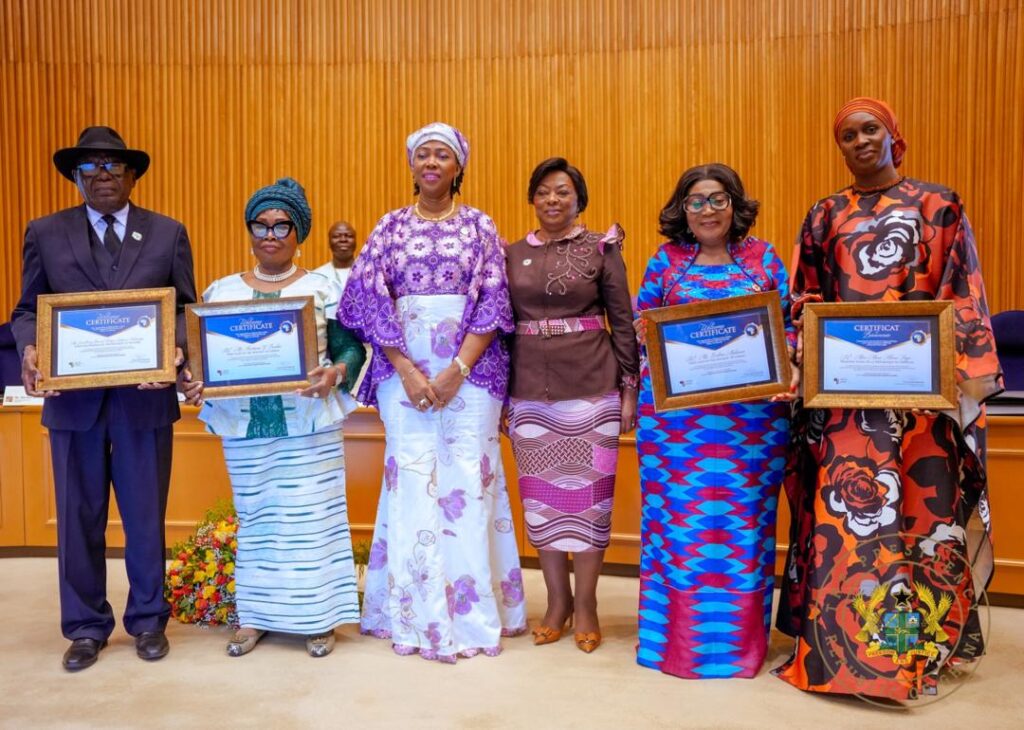
Mrs. Mahama highlighted significant investments in healthcare infrastructure, including the construction of maternity and children’s wards at Bole District Hospital, Nkoranza Municipal Hospital, and Bodom Health Centre. Another facility in the Oti Region is nearing completion, while existing centres such as the Hohoe Adabraka Health Centre have been renovated and expanded.
She added that the foundation has supported health facilities across the country with essential medical equipment, including incubators, ultrasound machines, hospital beds, and phototherapy units, helping to strengthen maternal and child healthcare delivery.
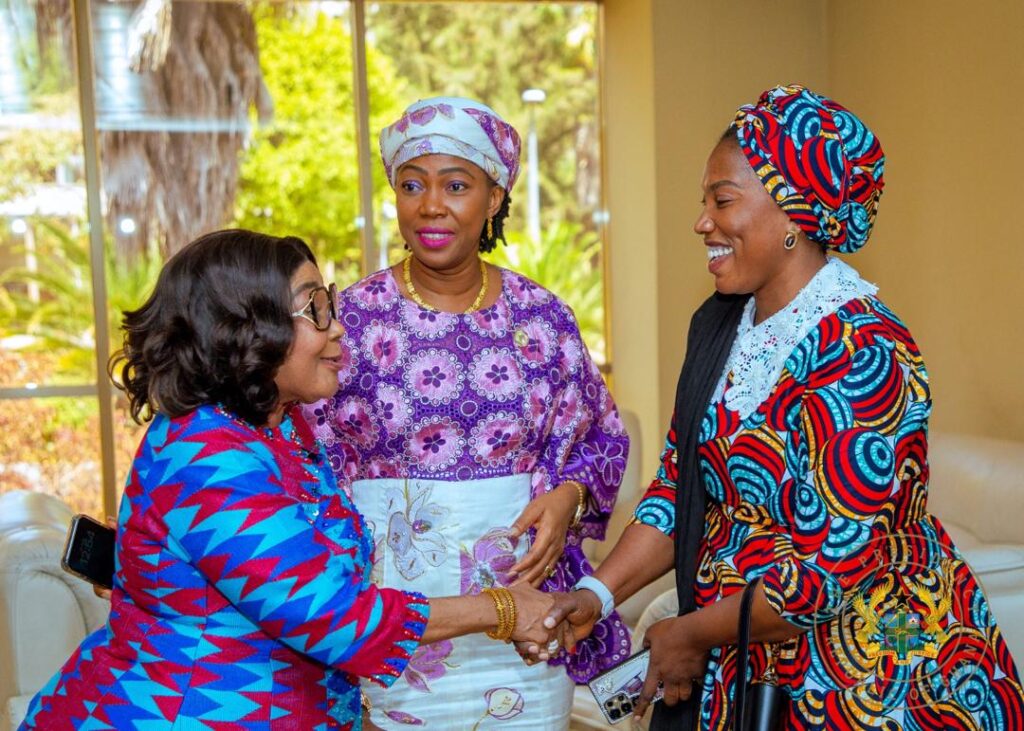
Looking ahead, the First Lady announced plans to expand health outreach to underserved and remote communities. This will include training healthcare personnel, providing additional equipment, and supporting uninsured patients through the Ghana Medical Child Fund.
“When women and children are healthy, families are stronger, and nations prosper,” she told the gathering of African leaders and partners.
Beyond healthcare, Mrs. Mahama reaffirmed her commitment to education, describing it as a powerful tool for breaking cycles of poverty. Through a partnership with the Merck Foundation, the Lordina Foundation has launched the Education Linda Scholarship Programme, which currently supports 40 junior high school girls with school fees, uniforms, and educational supplies.
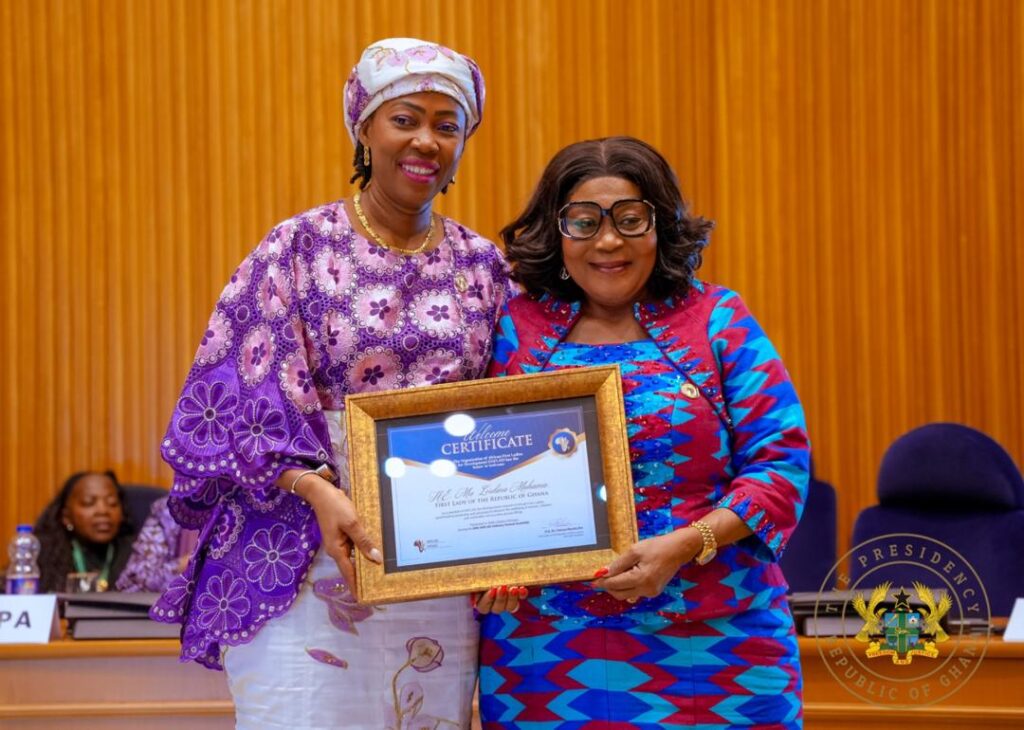
She stressed that empowering girls through education creates future leaders and strengthens national development.
The First Lady also outlined economic empowerment initiatives aimed at supporting women, particularly artisans such as dressmakers and hairdressers, by providing skills training and startup tools.
She revealed plans to expand these programmes in 2026 to support small and medium-sized enterprises, aligning with Ghana’s broader economic agenda, including the 24-hour economy policy and the proposed Women’s Development Bank.
Community-based training programmes in digital skills, beading, and vocational trades will also be introduced to improve women’s economic independence and resilience.
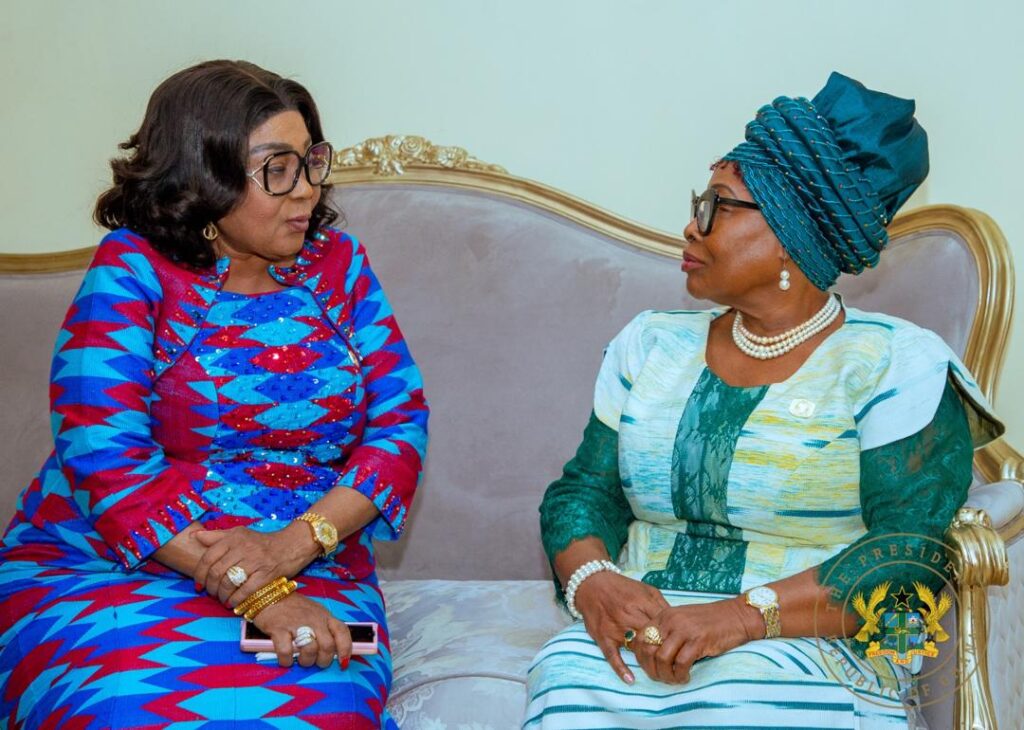
“When we empower a woman economically, we empower an entire family and uplift a whole community,” she said.
Mrs. Mahama called on fellow African leaders, development partners, and international organisations to deepen collaboration and invest in sustainable programmes that prioritise the wellbeing of women and children.
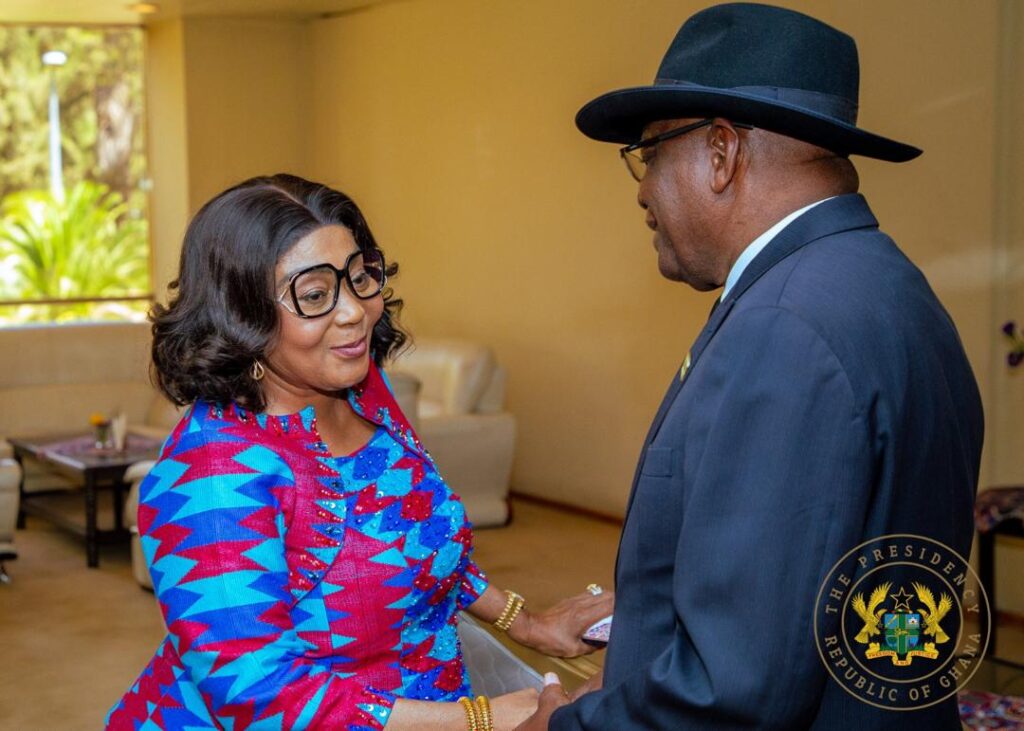
The OAFLAD General Assembly brought together First Ladies and development partners from across Africa to address pressing issues affecting women and children, particularly in the context of climate change, conflict, and economic challenges.
Her address reinforced Ghana’s continued commitment to advancing healthcare, education, and economic opportunities for women and children, while positioning these efforts as essential to building stronger, more resilient communities across Africa.