
The New Patriotic Party (NPP) has announced plans to establish a new, strengthened policy unit as part of a broader strategy to rebuild the party and reposition it for the 2028 general elections.
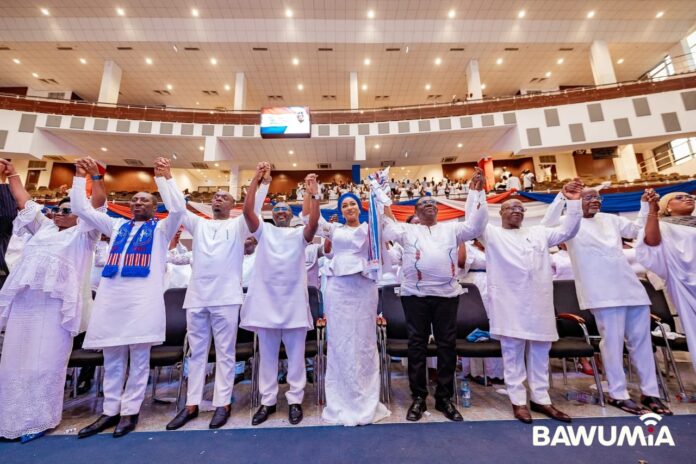
The announcement was made by the party’s newly elected presidential candidate, Dr. Mahamudu Bawumia, during the NPP’s post-election thanksgiving service held on February 15, 2026, at the UPSA Auditorium.
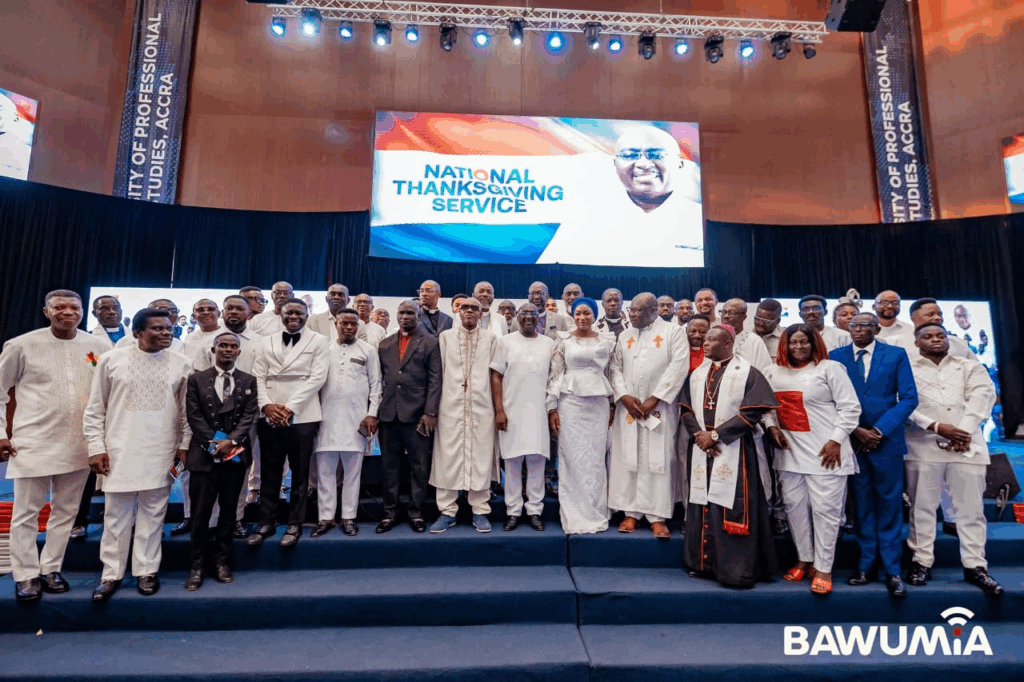
The service followed the successful conclusion of the party’s internal electoral processes, including its national conference and peaceful flagbearer election, which party leaders described as orderly and incident-free.
Addressing party executives, clergy, Members of Parliament, former ministers, regional and constituency officers, polling station executives, and grassroots organisers, Dr. Bawumia framed the event not as a personal victory, but as the symbolic end of one phase of party reform and the beginning of a new chapter in rebuilding the NPP.
Historically, the NPP has relied on party committees, think tanks, and ad-hoc policy teams to develop governance and campaign proposals. However, following recent electoral cycles, the party leadership has come under pressure to modernise structures, professionalise policy development, and present clearer alternative programmes to the electorate.
Against this backdrop, Dr. Bawumia announced that the party would move quickly to reorganise its policy structures, including creating a dedicated policy unit to refine, coordinate, and communicate the NPP’s alternative policy proposals ahead of the 2028 elections.
He noted that this policy restructuring will run alongside a broader reorganisation of party structures at national, regional, constituency, and grassroots levels to build a stronger, more motivated campaign machinery.
Dr. Bawumia also revealed plans for a nationwide “thank you tour” to recognise the discipline and commitment of party members during the internal elections while reconnecting with grassroots supporters and strengthening internal cohesion.
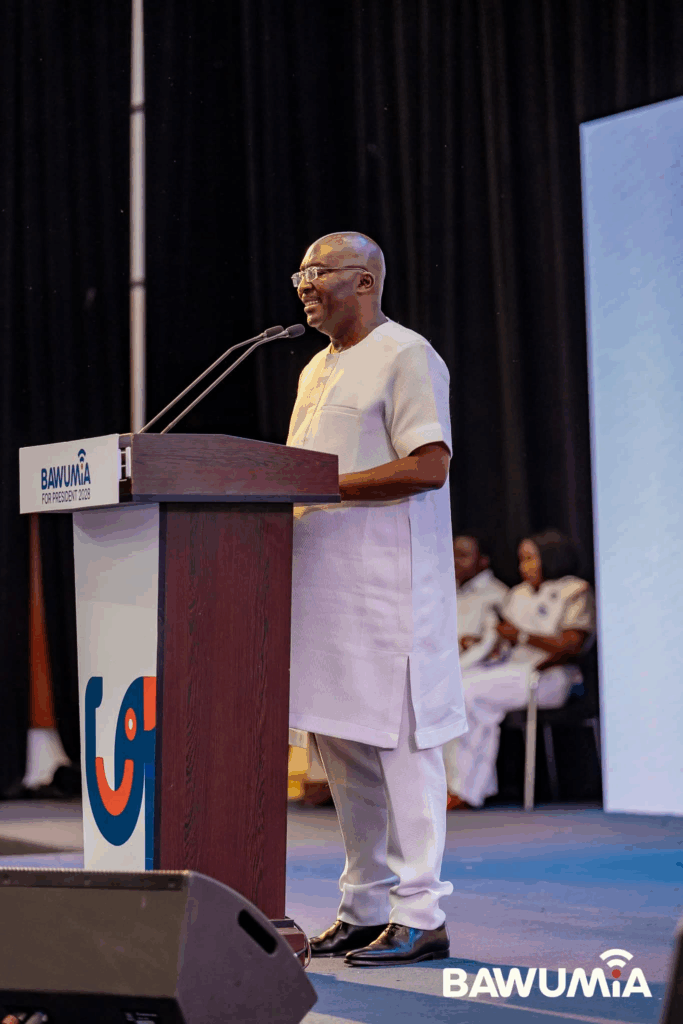
Acknowledging that the internal elections had caused tensions and strained relationships within the party, he called for forgiveness, reconciliation, and unity. He urged members to move beyond factionalism, personal grudges, and internal suspicions, stressing that healing would require honest engagement, accountability, and a shared commitment to common values.
Placing the rebuilding effort in a national context, Dr. Bawumia said the road to 2028 would require discipline, sacrifice, humility, and hard work, warning that electoral victory would not be automatic but must be earned “constituency by constituency and household by household.”
He presented the creation of a policy unit and the reorganisation of party structures as essential tools for regaining public trust and offering credible governance alternatives to Ghanaians.
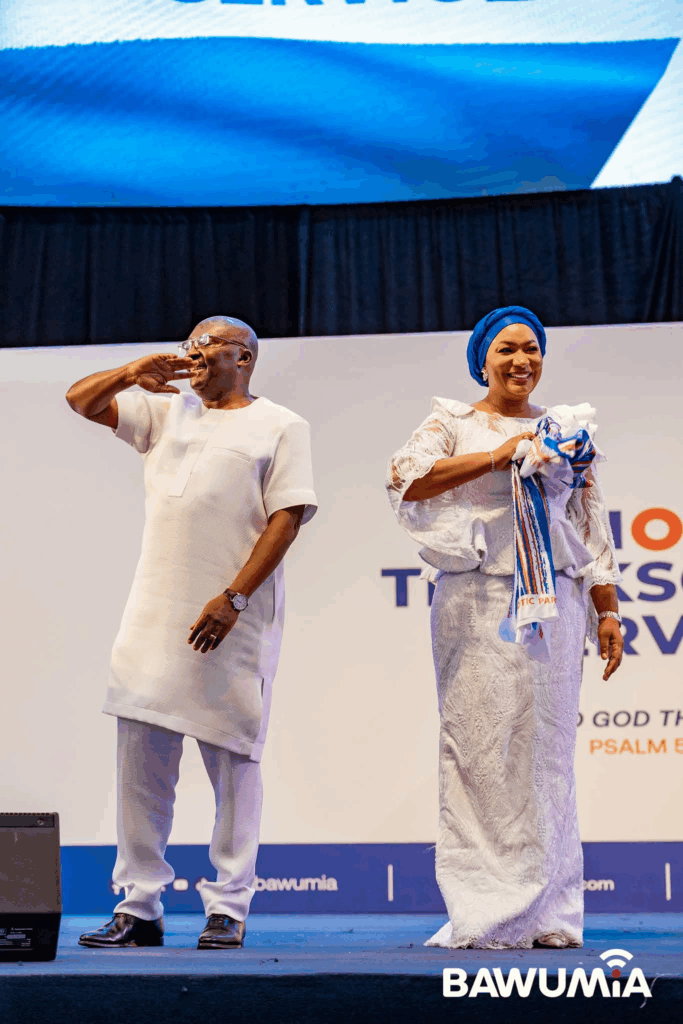
Beyond internal party matters, Dr. Bawumia called on the government to exercise political restraint, promote national healing, and uphold responsible governance, cautioning against intimidation, vengeance, or partisan score-settling. He emphasised that democracy must protect all citizens, regardless of political affiliation.
Politically, the restructuring drive comes as the NPP seeks to recover from electoral setbacks and reposition itself as a credible alternative to the governing National Democratic Congress (NDC).
Dr. Bawumia’s emergence as flagbearer represents a generational and strategic shift, with a renewed focus on technocratic policy development, institutional reform, and long-term party rebuilding.
In closing, he pledged his full commitment to the reform process, calling on party members, volunteers, youth organisers, women’s groups, and elders to recommit to service, competence, respect for institutions, and belief in the Ghanaian people.
The thanksgiving service thus marked not only the spiritual closure of the internal elections but also the formal launch of a new policy-driven and reform-focused phase in the NPP’s history, with the creation of a policy unit at the centre of its strategy to reclaim relevance, credibility, and competitiveness ahead of the 2028 general elections.
READ ALSO: