
Acclaimed Iranian photojournalist Yalda Moaiery has spent much of her career documenting moments of dissent and the lives of women in Iran. The work has repeatedly brought her into conflict with the authorities, and on Iran’s National Journalist Day on Saturday she learned she had been sentenced to 15 years in prison.
The sentence was handed down under a law enacted after a 12-day war between Israel and Iran in 2025, legislation that Iranian authorities say is intended to combat espionage and cooperation with hostile states.
When Moaiery arrived at Tehran’s Revolutionary Court, she was not given formal case documents, she said. Instead, a friend accompanying her copied details from a charge sheet by hand. Rights groups say such procedures reflect a lack of transparency in Iran’s judicial system.
According to the handwritten notes reviewed by Reuters, the accusations against her include giving interviews to media outlets deemed hostile by the authorities and providing photographs to organisations linked to the U.S. and Israel. Reuters could not independently verify the contents of the charge sheet.
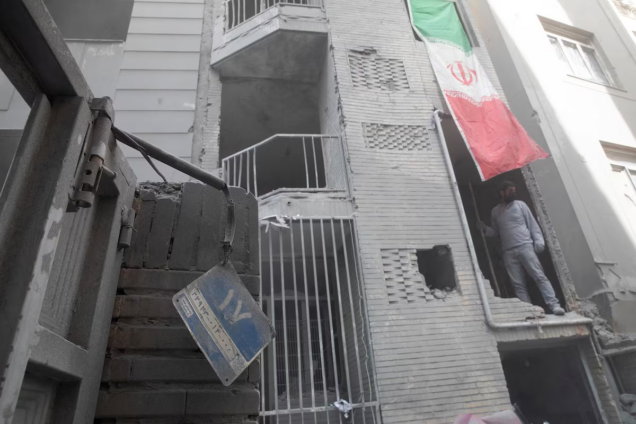
In a statement provided to Reuters, Moaiery said the intelligence wing of the Islamic Revolutionary Guard Corps raided her home during anti-government protests in January and confiscated her phone, laptop and other electronic equipment. She said IRGC officers returned after the U.S. launched air strikes on Iran this year and again seized her belongings.
“On this occasion, they took everything, including even the cameras I had owned since childhood,” she said.
“I was subjected to several interrogations, and eventually my case was referred to Branch 33 of the Security Prosecutor’s Office and subsequently to the Revolutionary Court.”
The spokesman for Iran’s United Nations Mission in New York did not respond to a request for comment on her case.
Roya Boroumand, executive director of the U.S.-based Abdorrahman Boroumand Center for Human Rights in Iran, said that withholding case documents is an effort by the Islamic Republic to “silence” defendants and showed the judiciary “blatantly” acting as a state agent.
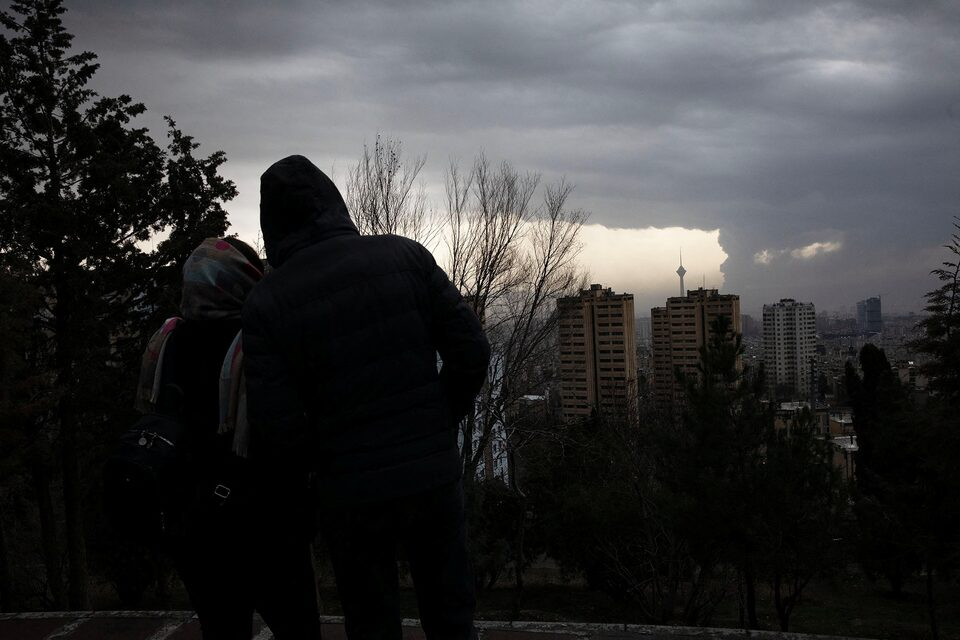
A CAREER CHRONICLING WOMEN’S LIVES IN IRAN
The handwritten document provided by Moaiery to Reuters lists accusations including “interviewing with networks hostile to the system” and sending photographs to entities in the United States and Israel that it describes as “hostile”.
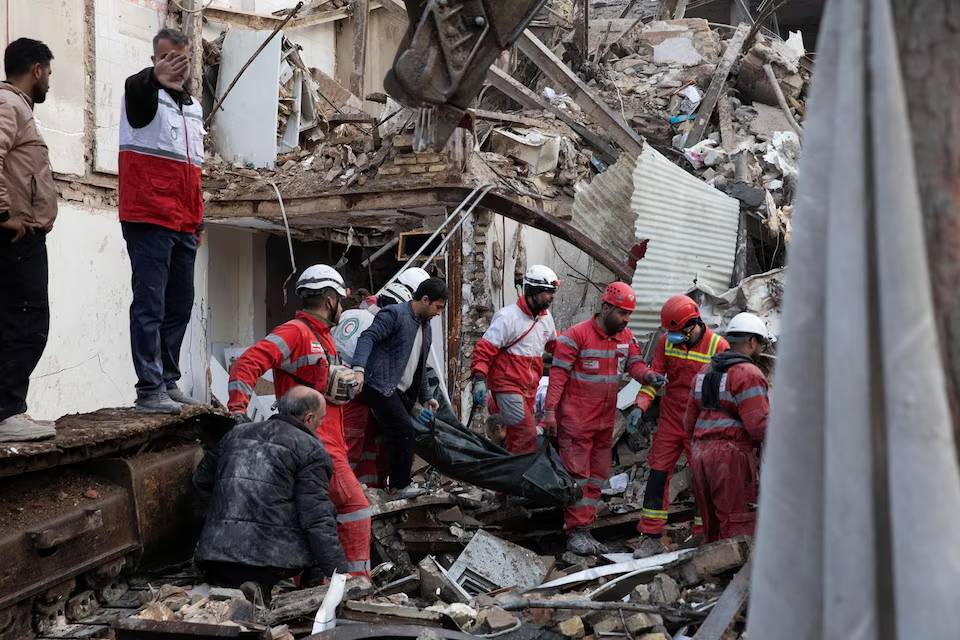
Moaiery said she shared photographs showing damage from air strikes in Iran with CNN and appeared in an interview about her reporting, in March 2026.
She has 10 days to appeal under the 2025 espionage law, half the time allowed under previous legislation.
Moaiery has previously been imprisoned for her work. She served two years in Gharchak Prison, a place that she had previously photographed.
In 2022, she spent three months in jail and was sentenced to eight years in prison for covering the nationwide “Woman, Life, Freedom” uprisings that erupted after the death of young Iranian woman Mahsa Amini in police custody. An amnesty later reduced the sentence, but she said the case continued to expose her to questioning by authorities.
Reporters Without Borders, says 16 journalists have been detained in Iran this year.
Moaiery’s work has mainly focused on women. She photographed some of the earliest documented detentions of women by morality police, including a 2007 image showing two women sitting in white police vans, with tears streaming down their faces.
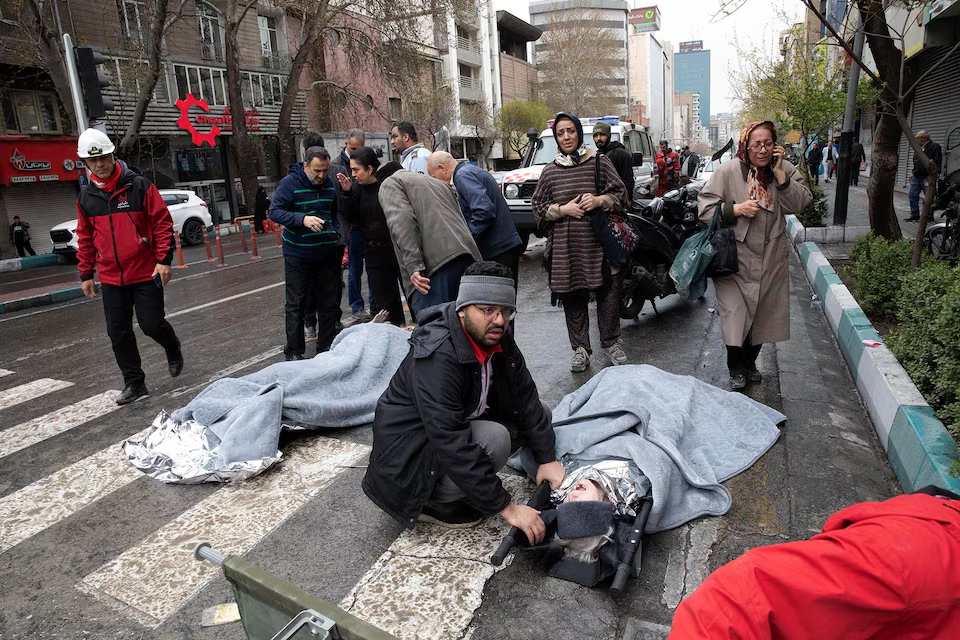
In 2017, she photographed a student protesting at economic conditions at Tehran University. The woman walks through tear gas, raising her fist in the air. The image was used by the Trump administration in its comments on human rights in Iran.
Moaiery said she remained committed to her work despite the prospect of further imprisonment.
“None of these sentences, however, has ever caused me to abandon my path, even for a moment. I have continued to document and show the realities of Iranian society,” she said.
“I don’t have anything to lose. The regime took everything from me and the only thing that I still have is my truth and honesty as an observer.”