
The Importers and Exporters Association of Ghana (IEAG) has defended the Bank of Ghana (BoG) against recent criticism of its monetary operations, describing some public commentary as lacking context and technical understanding.
The Association credited the central bank’s policies for the strong recovery of the cedi and improved trading conditions in 2025.
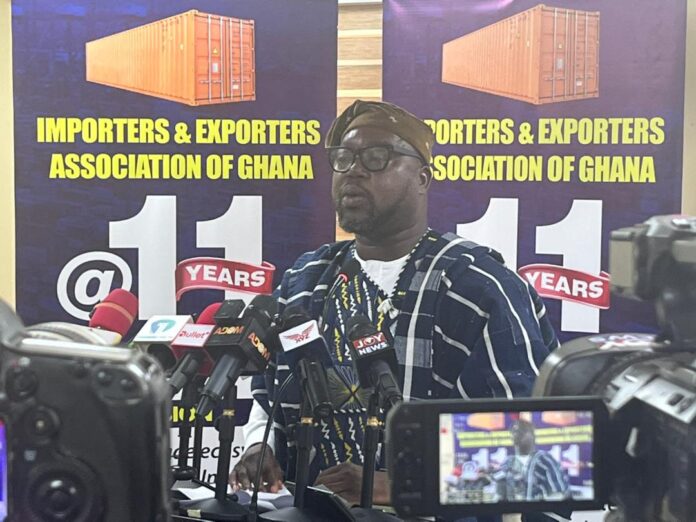
Speaking at a media engagement and New Year meeting in Accra on Saturday, January 3, IEAG Executive Secretary Samson Asaki Awingobit said claims about alleged losses by the Bank of Ghana and the Gold Board had overshadowed the central bank’s contribution to stabilising the economy.
He noted that while public debate is essential in a democracy, some negative reportage had failed to appreciate the technical nuances of monetary policy and its impact on economic recovery.
According to Mr. Awingobit, the cedi recorded a significant turnaround in 2025, strengthening by more than 40 per cent against the US dollar by mid-year. He said the appreciation eased import costs and reduced exchange-rate pressures on traders.
He explained that the currency’s performance reflected improved foreign exchange buffers and a rebound in export earnings, with gross international reserves rising to over 11 billion dollars by mid-2025, providing nearly five months of import cover.
From the perspective of importers and exporters, the IEAG stressed that the cedi’s appreciation resulted from disciplined monetary policy, improved market confidence, and increased activity in the foreign exchange market.
Mr. Awingobit also highlighted strong export performance, including trade surpluses and an estimated 60 per cent growth in export earnings in the first half of 2025, as key factors supporting currency stability and reducing the cost of doing business.
The Association commended the Bank of Ghana for its steady leadership during a challenging economic period, noting that observable outcomes reflect purposeful efforts to strengthen macroeconomic resilience and ensure trade continuity.
Looking ahead to 2026, the IEAG expressed optimism about Ghana’s economic outlook and called for continued prudent monetary policy, stronger collaboration between policymakers and the private sector, and balanced, informed media reporting on economic issues affecting currency stability and key state institutions.
READ ALSO: