
Ghana should prioritise rebuilding investor confidence and improving its credit rating before returning to the international capital markets to borrow, the International Monetary Fund (IMF) has advised.
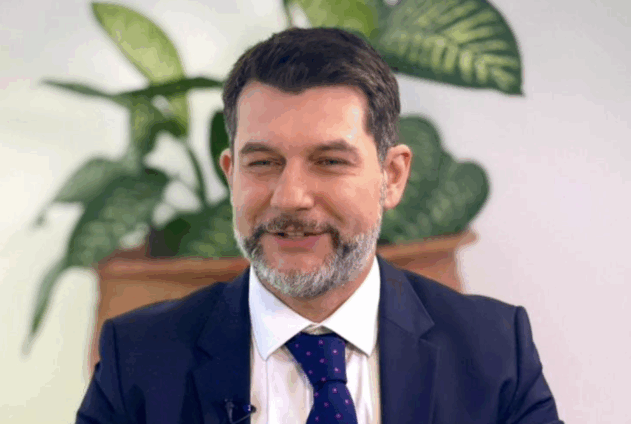
The IMF Resident Representative in Ghana, Dr Adrian Alter, said the country’s immediate focus should be on consolidating the gains made from its debt restructuring and strengthening domestic financing rather than rushing into fresh external commercial borrowing.
Ghana’s debt position has improved considerably under the IMF-supported programme, with the latest Debt Sustainability Analysis moving the country from a high risk of debt distress to a moderate risk.
Dr Alter said central government debt had also fallen to about 45% of GDP, a level the IMF had initially projected Ghana would only achieve by 2034.
He said the improvement provides Ghana with an opportunity to gradually regain access to international capital markets but stressed that restoring the country’s creditworthiness would be essential to securing affordable borrowing.
“I would say Ghana needs first to re-establish itself, and it needs to improve its rating,” Dr Alter said in an interview with Accra-based Channel One TV.
He explained that the government’s medium-term goal of attaining investment-grade status could help substantially lower the cost of borrowing both locally and internationally.
Dr Alter also pointed to the reopening of Ghana’s domestic bond market in March as an important step towards restoring investor confidence. Government subsequently issued a seven-year local-currency bond.
He noted that Ghana still faces significant financing needs, including debt refinancing and funding for development projects, which require a carefully managed approach to new borrowing.
The IMF representative stressed that reducing interest payments should remain a key priority, particularly because debt servicing currently accounts for about one-third of government expenditure.
According to him, lowering the cost of borrowing would create more fiscal space for the government to finance salaries, social interventions and capital projects.
He added that stronger domestic revenue mobilisation could provide additional resources for development spending.
Dr Alter said the IMF’s broader objective was to support Ghana in addressing its economic imbalances and restoring the country’s capacity to sustainably finance its needs through both domestic and international sources.