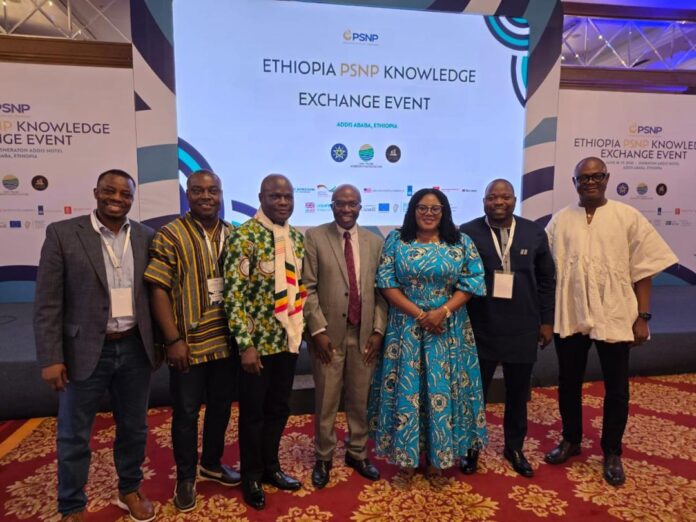

A high-level Ghanaian delegation led by the Minister for Local Government, Chieftaincy and Religious Affairs, Ahmed Ibrahim, and the Minister for Gender, Children and Social Protection, Dr. Agnes Naa Momo Lartey, has concluded a strategic knowledge exchange visit to Ethiopia.
The visit was to gain first-hand insights into the implementation of Africa’s flagship Productive Safety Net Programme (PSNP).
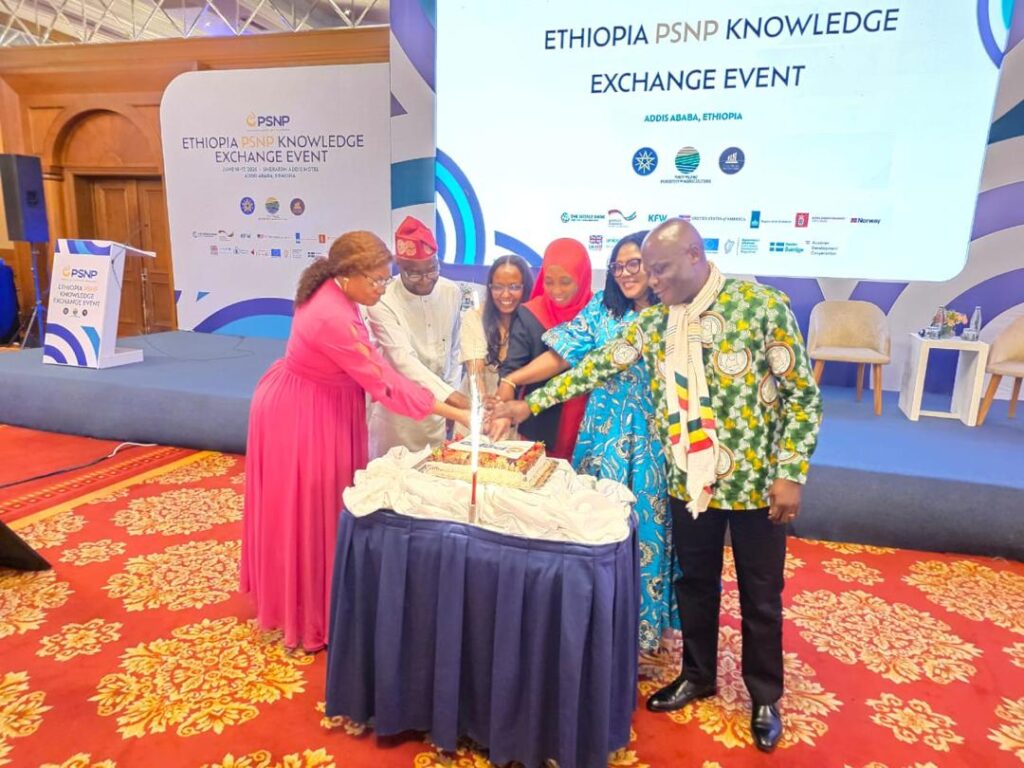
The programme was attended by Ministers of State from Nigeria, The Gambia, Cameroon, and Ethiopia, alongside senior management representatives from the World Bank and other development partners supporting social protection initiatives in Ethiopia.
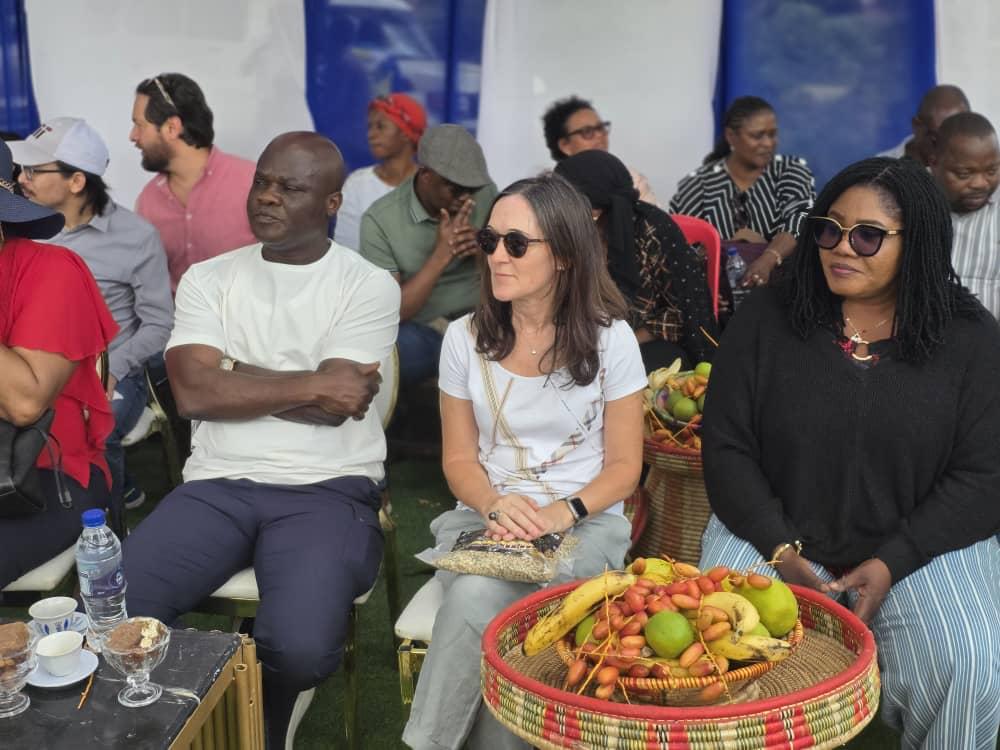
The delegation, which included Samu Usama Iddrisu, Director of Policy, Planning, Budgeting, Monitoring and Evaluation (PPBME); Prof. Prosper Basommi Laari, National Coordinator of the Ghana Productive Safety Net Project (GPSNP); and other senior directors from the Ministry of Gender, Children and Social Protection, engaged with Ethiopian counterparts to learn how social protection can be leveraged not only to reduce poverty but also to create sustainable livelihoods and resilient communities.
The visit provided an important opportunity for mutual learning, with Ghana sharing its experience under GPSNP2’s Labour-Intensive Public Works (LIPW) and Productive Inclusion (PI) interventions while drawing lessons from Ethiopia’s two decades of successful safety net implementation.
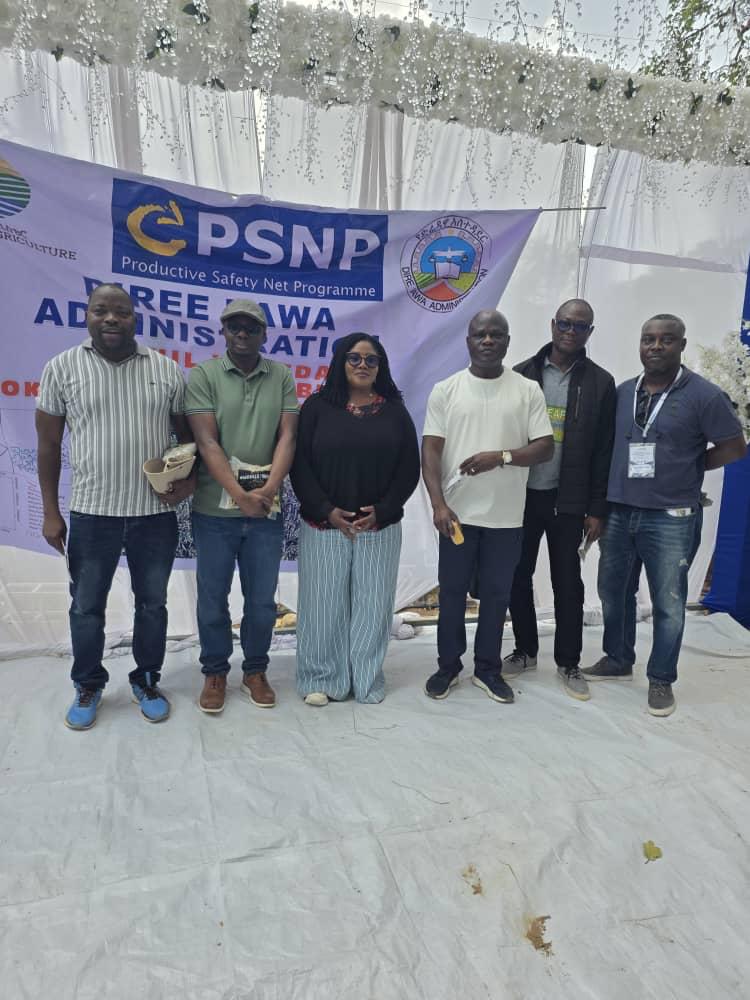
A key highlight of the mission was a field visit to Dire Dawa, where the delegation observed the remarkable impact of Ethiopia’s public works programme on rural livelihoods and environmental restoration.
Across the rugged landscape, communities have transformed degraded land into productive agricultural assets through carefully designed public works interventions.
The delegation witnessed extensive soil and water conservation structures, watershed rehabilitation works, erosion control measures, water harvesting systems and agricultural activities that are helping households improve productivity while protecting natural resources.
What was particularly striking was how public works had evolved beyond temporary employment into a long-term investment in community resilience and economic development.
The Ghanaian team observed how farmers were utilizing rehabilitated land for agricultural production, creating a direct link between public works investments and improved household livelihoods.
The experience reinforced the principle that well-designed safety net programmes can simultaneously provide income support, restore ecosystems and build productive assets for future generations.
The programme’s evolution into its sixth phase reflects the confidence that the government and development partners have in its ability to deliver measurable results over time.
For the Ghanaian delegation, these lessons strongly resonate with the objectives of GPSNP2, which combines labour-intensive public works with productive inclusion interventions aimed at helping poor and vulnerable households improve incomes, build enterprises and graduate towards self-reliance.
Under GPSNP2, Ghana’s Productive Inclusion programme has equipped over 57,000 beneficiaries with skills and support to improve their livelihoods, with more than 30,000 receiving grants to establish or expand economic activities.
At the same time, labour-intensive public works interventions have generated temporary employment for over 85,000 poor and vulnerable people, while creating valuable community assets such as feeder roads, small earth dams, community parks, afforestation sites, and climate-resilient plantations that continue to deliver lasting economic and environmental benefits.
Speaking during the visit, Mr. Ibrahim emphasized that Ethiopia’s success story demonstrates the importance of sustaining investments in safety nets that create productive assets and improve livelihoods.
“The success stories we have witnessed in Ethiopia show that public works can be much more than a source of temporary employment. They can transform landscapes, strengthen food security, improve livelihoods and build resilience against climate shocks. These are lessons that are highly relevant to Ghana as we continue to strengthen our own labour-intensive public works and productive inclusion interventions,” he said.
He noted that the visible results achieved through Ethiopia’s PSNP reaffirm the need to continue investing in programmes that empower vulnerable households while creating lasting community assets.
The Minister further stressed that sustainable social protection requires strong government ownership, institutional commitment and long-term financing mechanisms to ensure that gains made today continue to benefit future generations.
The visit comes at a critical time as Ghana advances efforts to institutionalize Productive Inclusion and Labour-Intensive Public Works through policy and legislative reforms aimed at ensuring sustainability beyond donor-supported projects.
As the mission concluded, one message stood out clearly: the true measure of a productive safety net is not only the support it provides today but also the livelihoods, assets and resilience it creates for tomorrow.
The Ethiopia-Ghana knowledge exchange has therefore reinforced a shared vision, one where social protection serves as a pathway to productivity, resilience and sustainable development, empowering vulnerable households to build better futures for themselves and their communities.