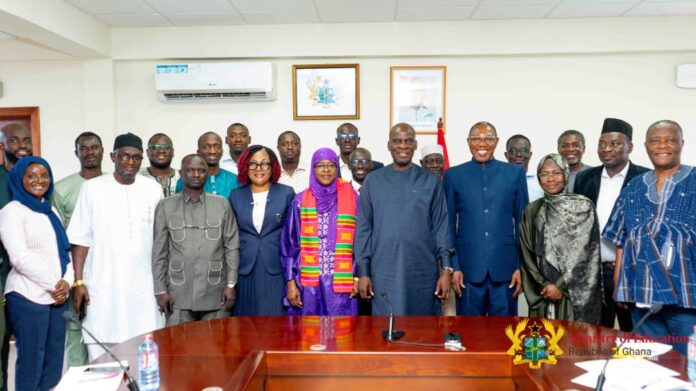

Ghana and The Gambia have reaffirmed their commitment to strengthening education systems and advancing public sector reforms through enhanced bilateral cooperation, following a high-level engagement between Ghana’s Ministry of Education and a delegation from The Gambia’s Ministry of Basic and Secondary Education.
The Gambian delegation, led by the Minister for Basic and Secondary Education, Hon. Dr. Habibatou Drammeh, visited Ghana to learn from the country’s experiences in education governance, workforce management, digital transformation, accountability systems, and evidence-based policymaking.
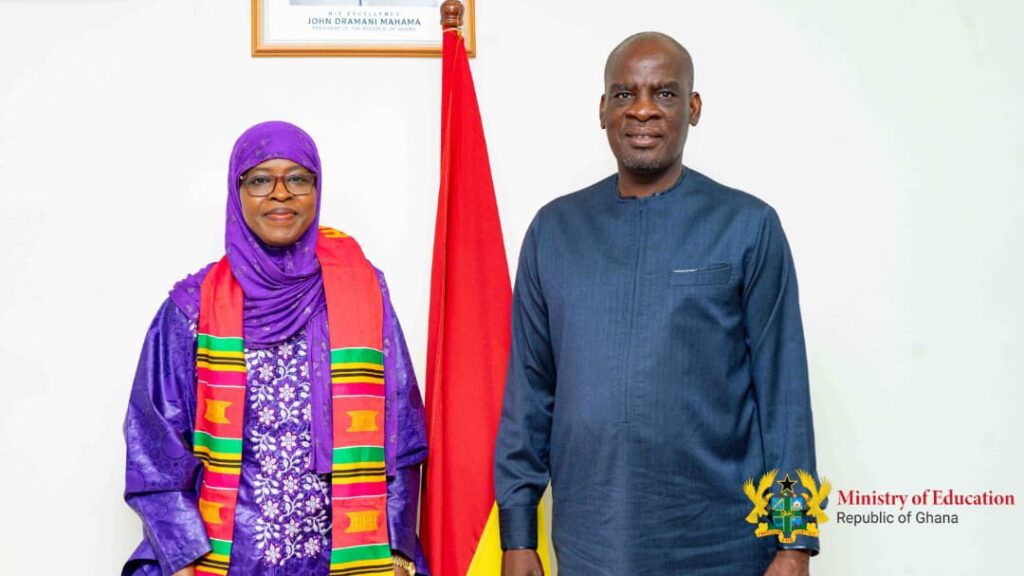
Welcoming the delegation, Ghana’s Minister for Education, Honourable Haruna Iddrisu, highlighted the country’s commitment to providing free education from kindergarten to the tertiary level.
He also outlined Ghana’s education governance structure, noting that the sector is led by the Ministry of Education, with the Ghana Education Service overseeing basic and secondary education.
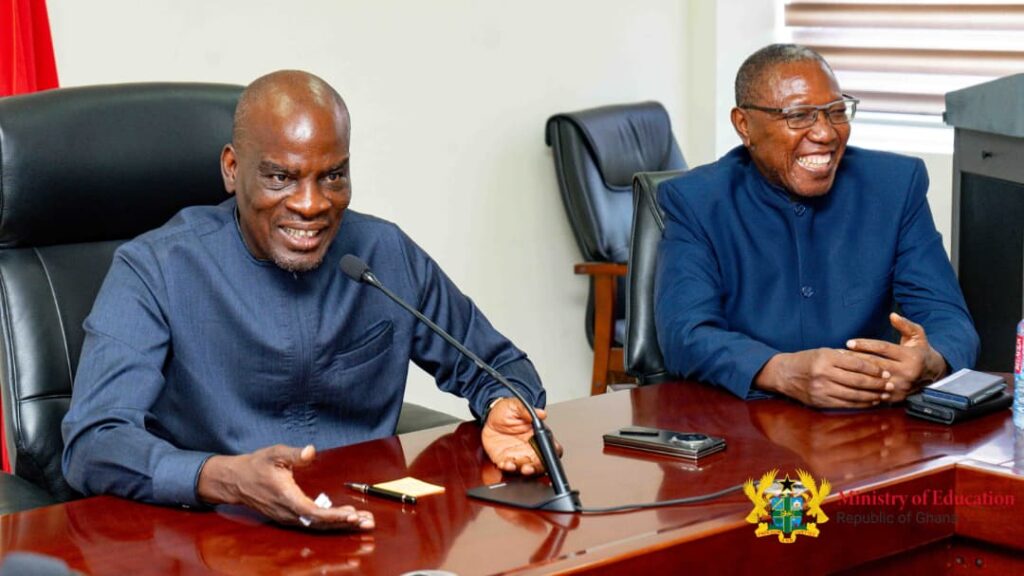
A major highlight of the Minister’s presentation was Ghana’s renewed focus on foundational education.
Honourable Haruna Iddrisu emphasized that strong literacy and numeracy skills at the basic level are essential to the success of the entire education system.
He noted that while significant investments have been made in secondary education in recent years, the government is now shifting its attention to early childhood and basic education to build a stronger foundation for learning.
According to him, no education system can thrive on a weak foundation, stressing that Ghana is investing heavily in improving learning outcomes, enhancing teacher quality, and expanding access to quality basic education nationwide.
The Minister further revealed that Ghana is reviewing its curriculum to align with emerging global trends, with plans to introduce Artificial Intelligence (AI), coding, robotics, financial literacy, and collaborative learning into schools.
During engagements with the Ghana Education Service, the Gambian delegation commended Ghana’s School Report Card initiative and digital data systems, which monitor teacher attendance, school performance, infrastructure conditions, and learning outcomes.
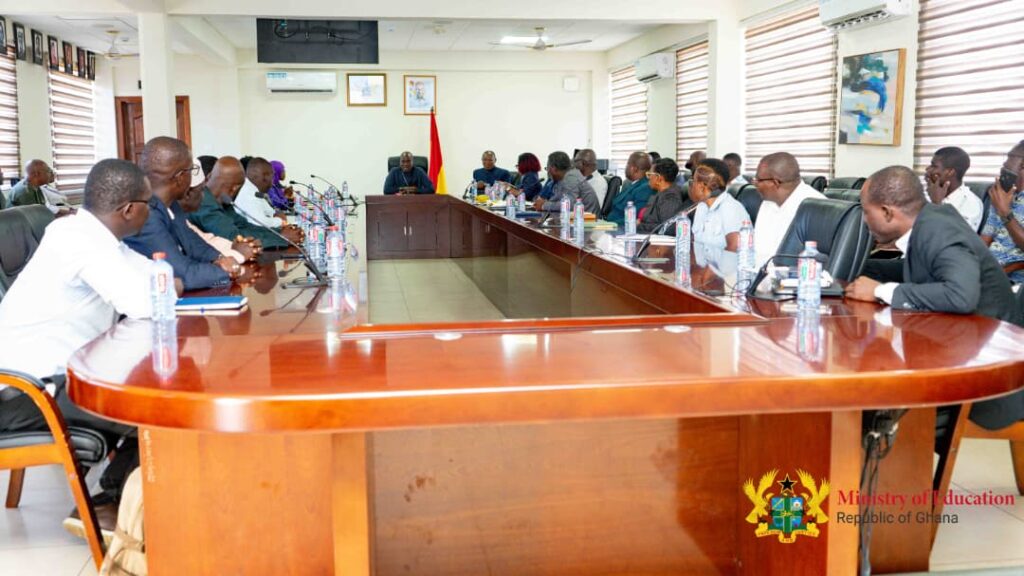
The delegation described these systems as powerful tools for improving accountability and informing policy decisions.
Dr. Drammeh noted that The Gambia is implementing a World Bank-supported Public Administration Modernization for Citizen-Centric Service Delivery Project and sees Ghana’s experience as highly relevant to its reform agenda.
She further proposed the establishment of a Memorandum of Understanding (MoU) between the two ministries to facilitate continuous exchange of best practices, technical expertise, and policy innovations.
Both countries expressed optimism that the visit would mark the beginning of a stronger and more structured partnership, reinforcing African-led solutions to educational challenges and advancing quality education for learners in both nations.